



SDG11
NCKU Launches Archaeological Excavation of East Gate Remain, Tainan Prefectural City Wall

National Cheng Kung University (NCKU) launched an archaeological excavation and research project on the East Gate Remain, Tainan Prefectural City Wall, at its Kuang-Fu Campus from May 22 to June 15 as part of the “Restoration, Adaptive Reuse, and Conservation Plan for the National Historic Site: Tainan Prefectural City Gates and Remaining City Wall Structures.” Through archaeological excavations and ground-penetrating radar (GPR) surveys, the project aims to uncover the buried remains and stratigraphic features of the historic city wall. Researchers hope to clarify the wall’s structural composition, construction techniques, spatial distribution, and preservation condition, providing an important foundation for future conservation, restoration, and planning efforts.
Commissioned by the Tainan City Cultural Heritage Management Office, the project is being carried out by NCKU under the leadership of Professor Ping-Sheng Wu of the Department of Architecture, who oversees project implementation and overall planning. The interdisciplinary research team brings together experts from multiple fields. Shih-Hua Yen, Executive Director of the Foundation for the Conservation and Regeneration of Historic Cities and Adjunct Assistant Professor-level Specialist in NCKU’s Department of Architecture, and Yu-Hua Tsai, Associate Research Fellow of the NCKU Museum, are responsible for restoration and adaptive reuse planning of the city wall. The underground heritage research component is led by Assistant Professor Chao-Ching Hsu of the Department of Civil Engineering and Geomatics at Cheng Shiu University and Associate Professor Kuo-Feng Chung of NCKU’s Institute of Archaeology, who are conducting ground-penetrating radar surveys, test excavations, and investigations of subsurface remains. Urban planner Yu-Hsuan Chung is responsible for research on urban planning regulations and institutional frameworks. Assistant Professor Yu-Chun Lin of the Department of Architecture and Interior Design at National Yunlin University of Science and Technology assists with structural analysis and safety assessments, while Assistant Professor An-Yu Cheng of Cheng Shiu University supports cultural heritage characterization and geographic information system (GIS) analysis. Adjunct Assistant Professor Kuang-Yi Lee of NCKU’s Department of Transportation and Communication Management Science provides recommendations regarding conservation planning and transportation-related issues.
The project integrates archaeological investigation of underground remains, city wall restoration, and heritage conservation strategies, incorporating principles of cultural sustainability into comprehensive planning. The goal is to ensure that Tainan Prefectural City remains not only a historical relic but also a shared cultural heritage asset for present and future generations.
As one of Taiwan’s most important defensive structures during the Qing Dynasty, Tainan Prefectural City possesses significance in archaeology, architectural history, and urban development history. Its city gates and walls embody the historical memory and cultural evolution of Tainan. The excavation site of the East Gate Remain, Tainan Prefectural City Wall, is located within a designated cultural heritage exhibition area originally reserved on the ground floor of the former Hsiu-Chi Building site at NCKU’s Kuang-Fu Campus. Through archaeological test excavations and ground-penetrating radar surveys, researchers seek to investigate the formation and preservation of the buried city wall foundations, thereby enhancing understanding of the historical landscape and cultural heritage value of Tainan Prefectural City.
Of particular interest is the close relationship between the design of the current Hsiu-Chi Building and the buried cultural remains beneath it. During the building’s planning and design phase, Professor Ming-Fu Hsu of NCKU’s Department of Architecture recognized that remains of the East Gate Remain, Tainan Prefectural City Wall, were still preserved underground. Consequently, he modified the original architectural design by retaining an open courtyard space on the ground floor—now used as a bicycle parking area—to minimize the impact of extensive foundation excavation on the buried heritage remains. This planning concept has become an important example of NCKU’s long-standing commitment to balancing campus development with the preservation of cultural heritage and the historical legacy of Tainan Prefectural City.
According to the Tainan Prefectural City Wall research team, the archaeological work focuses not only on the city wall structure itself but also on historical cultural strata, traces of daily life, and evidence of human activities from different periods. By studying buried archaeological information, researchers aim to reconstruct the long-term urban development history of Tainan.
The archaeological excavation of the East Gate Remain, Tainan Prefectural City Wall, on the NCKU campus will continue through June 15. The project highlights NCKU’s long-term commitment to the preservation of Tainan Prefectural City’s cultural heritage, academic research, and sustainable development, while transforming the campus into an important site for understanding Tainan’s urban history and cultural memory.
Commissioned by the Tainan City Cultural Heritage Management Office, the project is being carried out by NCKU under the leadership of Professor Ping-Sheng Wu of the Department of Architecture, who oversees project implementation and overall planning. The interdisciplinary research team brings together experts from multiple fields. Shih-Hua Yen, Executive Director of the Foundation for the Conservation and Regeneration of Historic Cities and Adjunct Assistant Professor-level Specialist in NCKU’s Department of Architecture, and Yu-Hua Tsai, Associate Research Fellow of the NCKU Museum, are responsible for restoration and adaptive reuse planning of the city wall. The underground heritage research component is led by Assistant Professor Chao-Ching Hsu of the Department of Civil Engineering and Geomatics at Cheng Shiu University and Associate Professor Kuo-Feng Chung of NCKU’s Institute of Archaeology, who are conducting ground-penetrating radar surveys, test excavations, and investigations of subsurface remains. Urban planner Yu-Hsuan Chung is responsible for research on urban planning regulations and institutional frameworks. Assistant Professor Yu-Chun Lin of the Department of Architecture and Interior Design at National Yunlin University of Science and Technology assists with structural analysis and safety assessments, while Assistant Professor An-Yu Cheng of Cheng Shiu University supports cultural heritage characterization and geographic information system (GIS) analysis. Adjunct Assistant Professor Kuang-Yi Lee of NCKU’s Department of Transportation and Communication Management Science provides recommendations regarding conservation planning and transportation-related issues.
The project integrates archaeological investigation of underground remains, city wall restoration, and heritage conservation strategies, incorporating principles of cultural sustainability into comprehensive planning. The goal is to ensure that Tainan Prefectural City remains not only a historical relic but also a shared cultural heritage asset for present and future generations.
As one of Taiwan’s most important defensive structures during the Qing Dynasty, Tainan Prefectural City possesses significance in archaeology, architectural history, and urban development history. Its city gates and walls embody the historical memory and cultural evolution of Tainan. The excavation site of the East Gate Remain, Tainan Prefectural City Wall, is located within a designated cultural heritage exhibition area originally reserved on the ground floor of the former Hsiu-Chi Building site at NCKU’s Kuang-Fu Campus. Through archaeological test excavations and ground-penetrating radar surveys, researchers seek to investigate the formation and preservation of the buried city wall foundations, thereby enhancing understanding of the historical landscape and cultural heritage value of Tainan Prefectural City.
Of particular interest is the close relationship between the design of the current Hsiu-Chi Building and the buried cultural remains beneath it. During the building’s planning and design phase, Professor Ming-Fu Hsu of NCKU’s Department of Architecture recognized that remains of the East Gate Remain, Tainan Prefectural City Wall, were still preserved underground. Consequently, he modified the original architectural design by retaining an open courtyard space on the ground floor—now used as a bicycle parking area—to minimize the impact of extensive foundation excavation on the buried heritage remains. This planning concept has become an important example of NCKU’s long-standing commitment to balancing campus development with the preservation of cultural heritage and the historical legacy of Tainan Prefectural City.
According to the Tainan Prefectural City Wall research team, the archaeological work focuses not only on the city wall structure itself but also on historical cultural strata, traces of daily life, and evidence of human activities from different periods. By studying buried archaeological information, researchers aim to reconstruct the long-term urban development history of Tainan.
The archaeological excavation of the East Gate Remain, Tainan Prefectural City Wall, on the NCKU campus will continue through June 15. The project highlights NCKU’s long-term commitment to the preservation of Tainan Prefectural City’s cultural heritage, academic research, and sustainable development, while transforming the campus into an important site for understanding Tainan’s urban history and cultural memory.
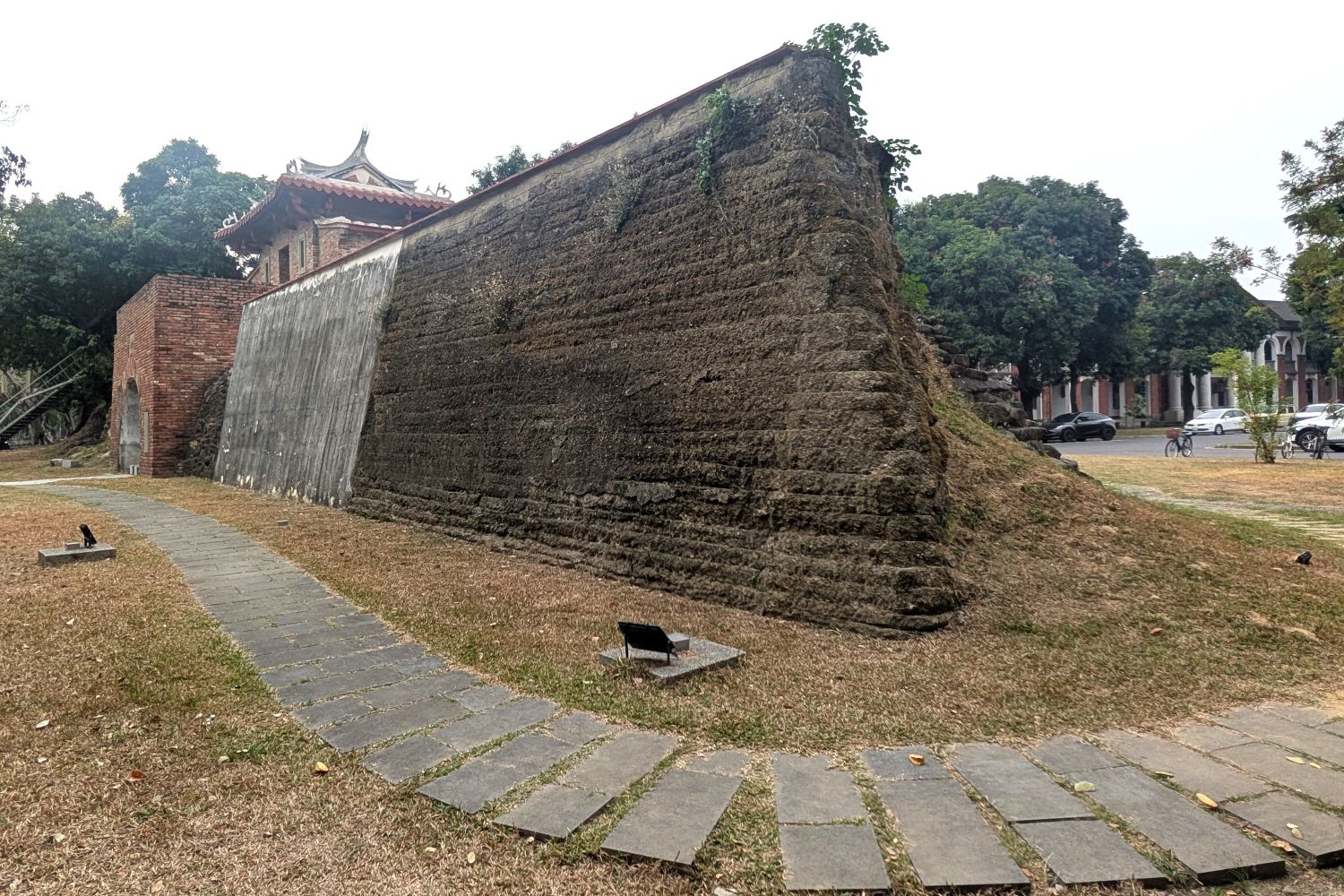
The East Gate Remain, Tainan Prefectural City Wall, on the NCKU campus underwent phases of construction, use, and eventual demolition, yet portions of its structural remains may still lie buried underground.
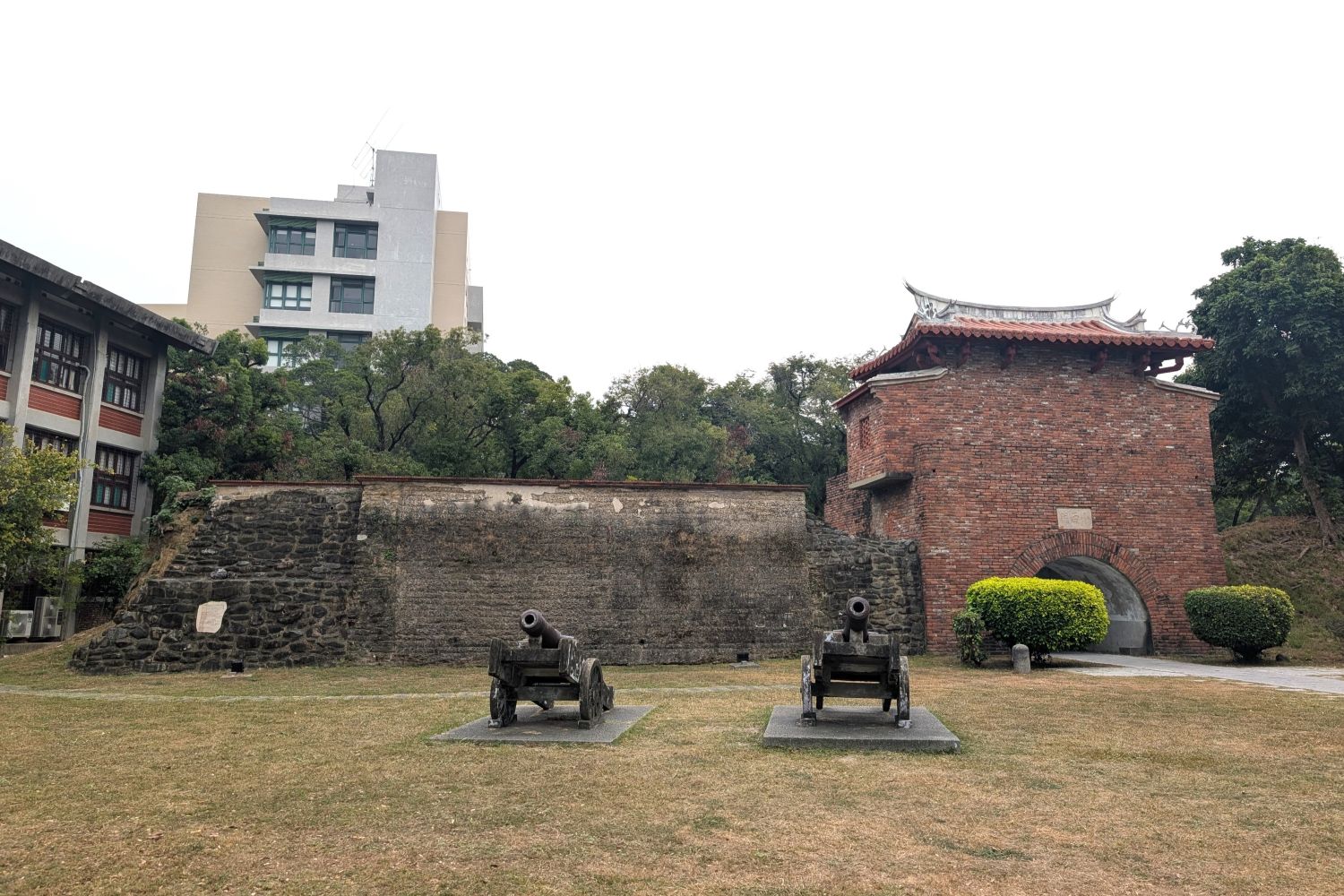
The East Gate Remain, Tainan Prefectural City Wall, located on the NCKU campus, is an important part of the historical development of Tainan Prefectural City.
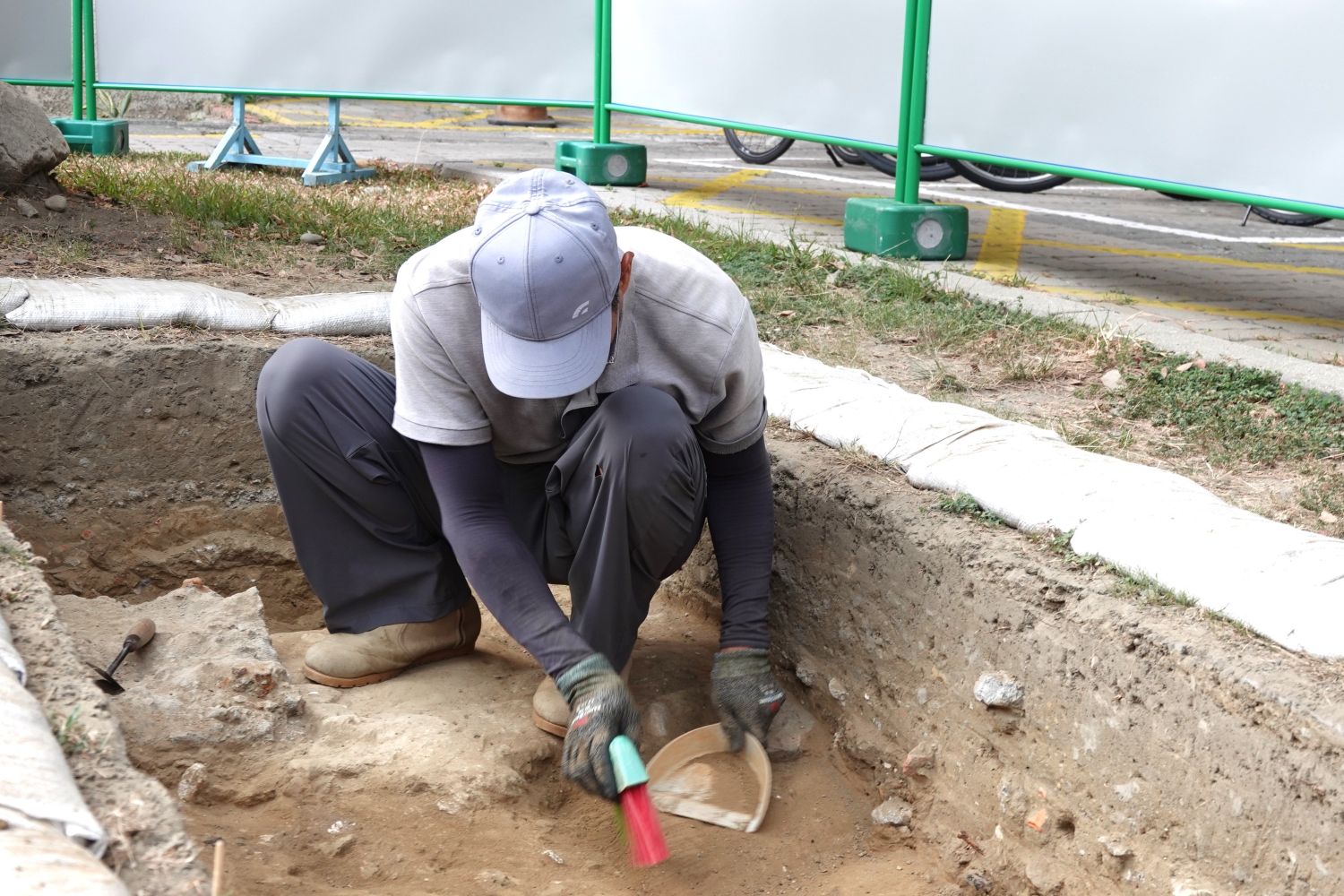
At the archaeological excavation site of the East Gate Remain, Tainan Prefectural City Wall, field researchers carefully remove the overlying soil layers using small hand tools.
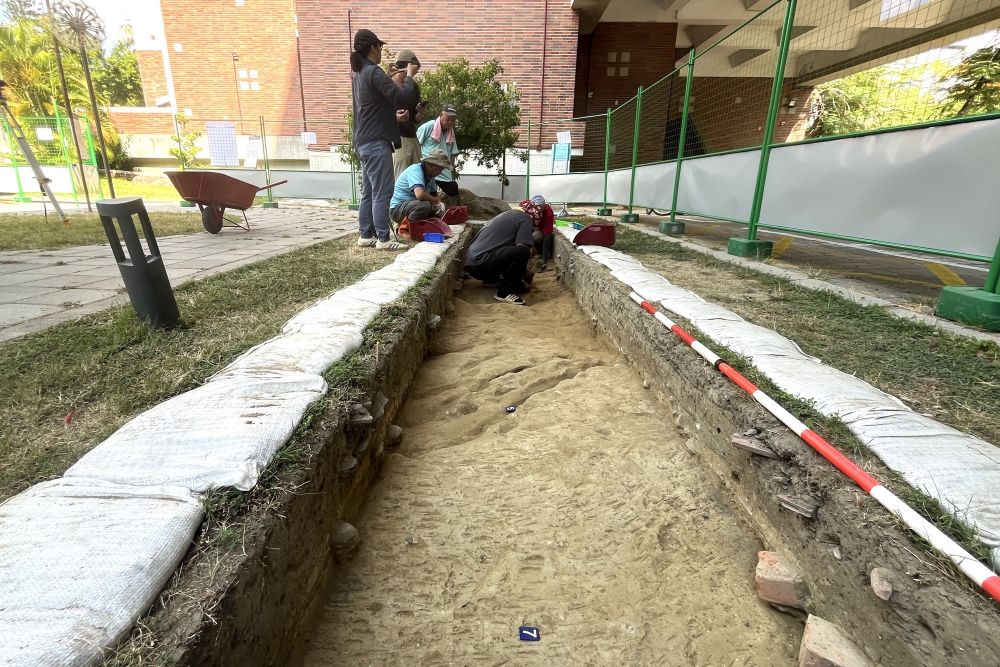
At the archaeological excavation site of the East Gate Remain, Tainan Prefectural City Wall, remains and artifacts from different historical periods have been unearthed.

At the archaeological excavation site of the East Gate Remain, Tainan Prefectural City Wall, careful documentation and precise measurements are helping researchers better understand historical remains from different periods.
SDG11300 Years of Tainan: NCKU's "Art and Architecture" Exhibition Links History with Contemporary Art
View more
SDG11“The Majestic and Miraculous: The Xuanwu Faith in East Asia” Showcases Taiwan’s Cultural Innovation
View more