



SDG16
Harvard Scholar Eric Nelson Explores the Origins of Modern Electoral Democracy at NCKU

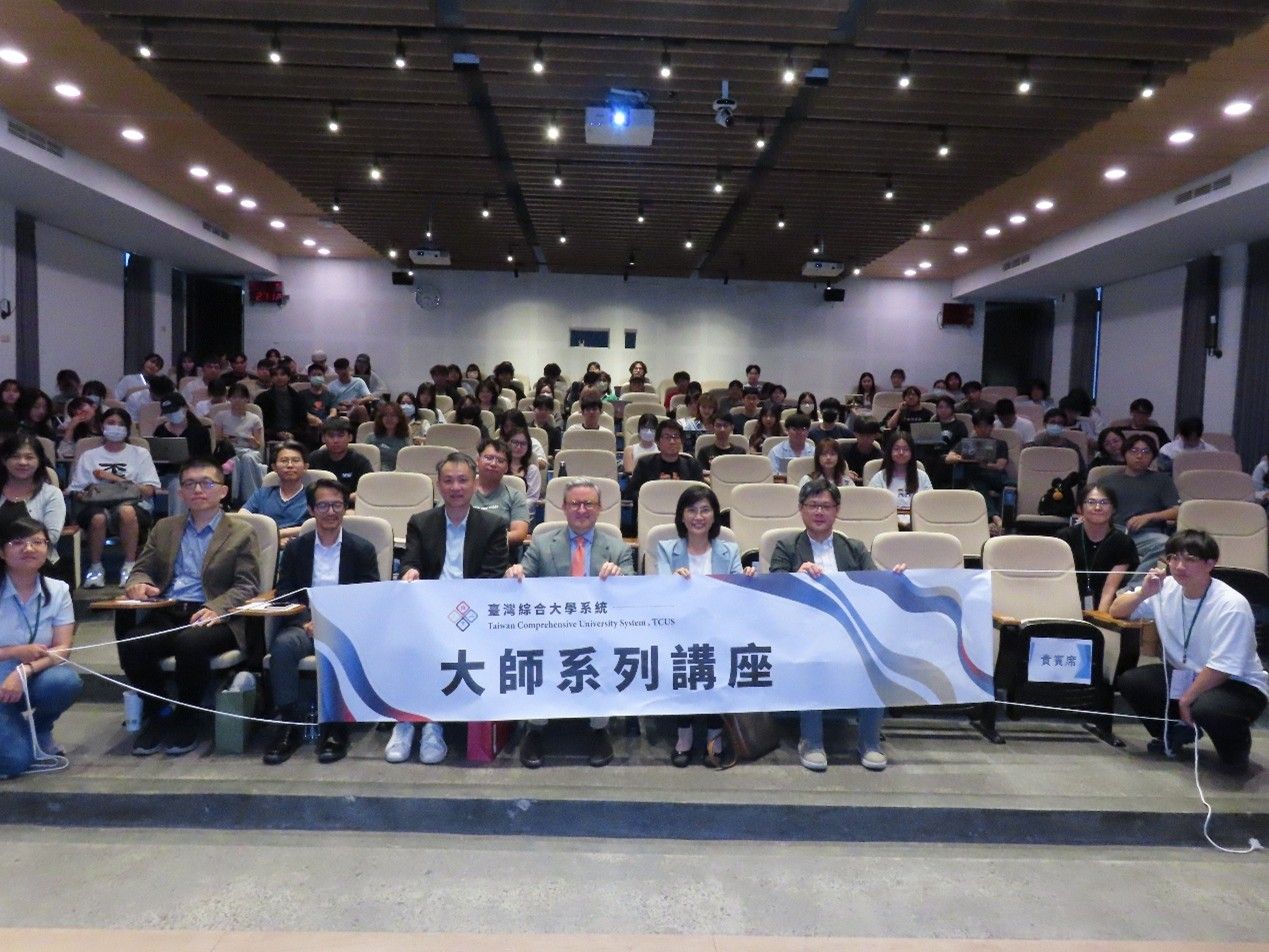
The Taiwan Comprehensive University System (TCUS) Master Lecture Series welcomed a distinguished speaker on June 2, featuring a live online lecture by Professor Eric Nelson, the Robert M. Beren Professor of Government at Harvard University and one of the world’s leading scholars of the history of political thought.
In a thought-provoking presentation that challenged conventional historical narratives, Professor Nelson explored the origins of modern democracy. He argued that the traditional account attributing the birth of modern democratic politics primarily to the American and French Revolutions of the late eighteenth century overlooks a crucial chapter in intellectual history. According to Nelson, the core concept of modern electoral democracy had already begun to take shape during radical political debates in seventeenth-century England, while its deeper intellectual roots can be traced to classical Greek discussions of equality and virtue.
The lecture attracted nearly one hundred students from a wide range of disciplines. Organized by the TCUS and hosted by the College of Social Sciences and the Department of Political Science at National Cheng Kung University (NCKU), with support from the College of Liberal Arts, the event fostered meaningful academic exchange among participants from NCKU, National Sun Yat-sen University, National Chung Hsing University, and National Chung Cheng University.
In his opening remarks, Professor Ching-Hsing Wang, Acting Chair of NCKU’s Department of Political Science and moderator of the event, expressed appreciation to Professor Nelson for delivering a lecture that broadened academic perspectives. He noted that the event provided valuable intellectual inspiration for faculty members and students across the four universities while strengthening opportunities for interuniversity collaboration and scholarly dialogue.
At the beginning of his lecture, Professor Nelson introduced a central puzzle in the history of political thought. Classical philosophers such as Plato and Aristotle regarded democracy as a flawed form of government associated with instability and mob rule. In the ancient world, democracy was characterized primarily by the selection of public officials through random lottery. Yet contemporary democracy is based on representative institutions chosen through elections. How, Nelson asked, did such a dramatic transformation in political meaning occur?
Guiding both in-person and online audiences through centuries of intellectual history, Nelson highlighted the pivotal contributions of the fourth-century BCE Greek thinker Isocrates. He also examined how the writings of the Roman historian Dio Cassius, particularly accounts describing ancient Britain’s emphasis on popular sovereignty and the election of capable individuals based on merit, later influenced American Founding Father James Wilson. These ideas, Nelson argued, helped shape the vision of a democratic republic that sought to reconcile equality with merit-based leadership.
The question-and-answer session demonstrated the audience’s strong engagement and analytical rigor. Students from NCKU’s Department of Political Science raised questions about tensions between Taiwan’s contemporary electoral system and classical ideals of rule by the virtuous. Others asked about Aristotle’s concept of collective wisdom and the relationship between democracy and justice.
Responding to these questions, Professor Nelson humorously described himself as a pragmatist who offers democracy “two cheers.” Addressing the long-standing concern that both aristocratic and democratic systems often produce mediocre leaders in practice, he emphasized that democracy’s value lies in its practical performance rather than in any claim to moral perfection. Echoing the famous observation of Winston Churchill, Nelson noted that democracy remains preferable not because it is flawless, but because it has proven more effective than the available alternatives.
At the conclusion of the event, NCKU Vice President Yuh-Neu Chen presented Professor Nelson with a commemorative gift on behalf of the university, expressing appreciation for his insightful contribution and bringing the Master Lecture Series event to a successful close.
Through an engaging presentation that combined broad historical perspective with rigorous scholarship, Professor Nelson encouraged participants to reconsider the origins and development of modern democracy. The lecture not only deepened understanding of the history of political thought but also provided new perspectives for reflecting on the historical foundations, theoretical principles, and contemporary challenges of democratic governance. As such, it offered valuable intellectual inspiration for Taiwan’s academic community and its ongoing conversations about the future of democracy.
In a thought-provoking presentation that challenged conventional historical narratives, Professor Nelson explored the origins of modern democracy. He argued that the traditional account attributing the birth of modern democratic politics primarily to the American and French Revolutions of the late eighteenth century overlooks a crucial chapter in intellectual history. According to Nelson, the core concept of modern electoral democracy had already begun to take shape during radical political debates in seventeenth-century England, while its deeper intellectual roots can be traced to classical Greek discussions of equality and virtue.
The lecture attracted nearly one hundred students from a wide range of disciplines. Organized by the TCUS and hosted by the College of Social Sciences and the Department of Political Science at National Cheng Kung University (NCKU), with support from the College of Liberal Arts, the event fostered meaningful academic exchange among participants from NCKU, National Sun Yat-sen University, National Chung Hsing University, and National Chung Cheng University.
In his opening remarks, Professor Ching-Hsing Wang, Acting Chair of NCKU’s Department of Political Science and moderator of the event, expressed appreciation to Professor Nelson for delivering a lecture that broadened academic perspectives. He noted that the event provided valuable intellectual inspiration for faculty members and students across the four universities while strengthening opportunities for interuniversity collaboration and scholarly dialogue.
At the beginning of his lecture, Professor Nelson introduced a central puzzle in the history of political thought. Classical philosophers such as Plato and Aristotle regarded democracy as a flawed form of government associated with instability and mob rule. In the ancient world, democracy was characterized primarily by the selection of public officials through random lottery. Yet contemporary democracy is based on representative institutions chosen through elections. How, Nelson asked, did such a dramatic transformation in political meaning occur?
Guiding both in-person and online audiences through centuries of intellectual history, Nelson highlighted the pivotal contributions of the fourth-century BCE Greek thinker Isocrates. He also examined how the writings of the Roman historian Dio Cassius, particularly accounts describing ancient Britain’s emphasis on popular sovereignty and the election of capable individuals based on merit, later influenced American Founding Father James Wilson. These ideas, Nelson argued, helped shape the vision of a democratic republic that sought to reconcile equality with merit-based leadership.
The question-and-answer session demonstrated the audience’s strong engagement and analytical rigor. Students from NCKU’s Department of Political Science raised questions about tensions between Taiwan’s contemporary electoral system and classical ideals of rule by the virtuous. Others asked about Aristotle’s concept of collective wisdom and the relationship between democracy and justice.
Responding to these questions, Professor Nelson humorously described himself as a pragmatist who offers democracy “two cheers.” Addressing the long-standing concern that both aristocratic and democratic systems often produce mediocre leaders in practice, he emphasized that democracy’s value lies in its practical performance rather than in any claim to moral perfection. Echoing the famous observation of Winston Churchill, Nelson noted that democracy remains preferable not because it is flawless, but because it has proven more effective than the available alternatives.
At the conclusion of the event, NCKU Vice President Yuh-Neu Chen presented Professor Nelson with a commemorative gift on behalf of the university, expressing appreciation for his insightful contribution and bringing the Master Lecture Series event to a successful close.
Through an engaging presentation that combined broad historical perspective with rigorous scholarship, Professor Nelson encouraged participants to reconsider the origins and development of modern democracy. The lecture not only deepened understanding of the history of political thought but also provided new perspectives for reflecting on the historical foundations, theoretical principles, and contemporary challenges of democratic governance. As such, it offered valuable intellectual inspiration for Taiwan’s academic community and its ongoing conversations about the future of democracy.
Taiwan Comprehensive University System (TCUS) Master Lecture Series
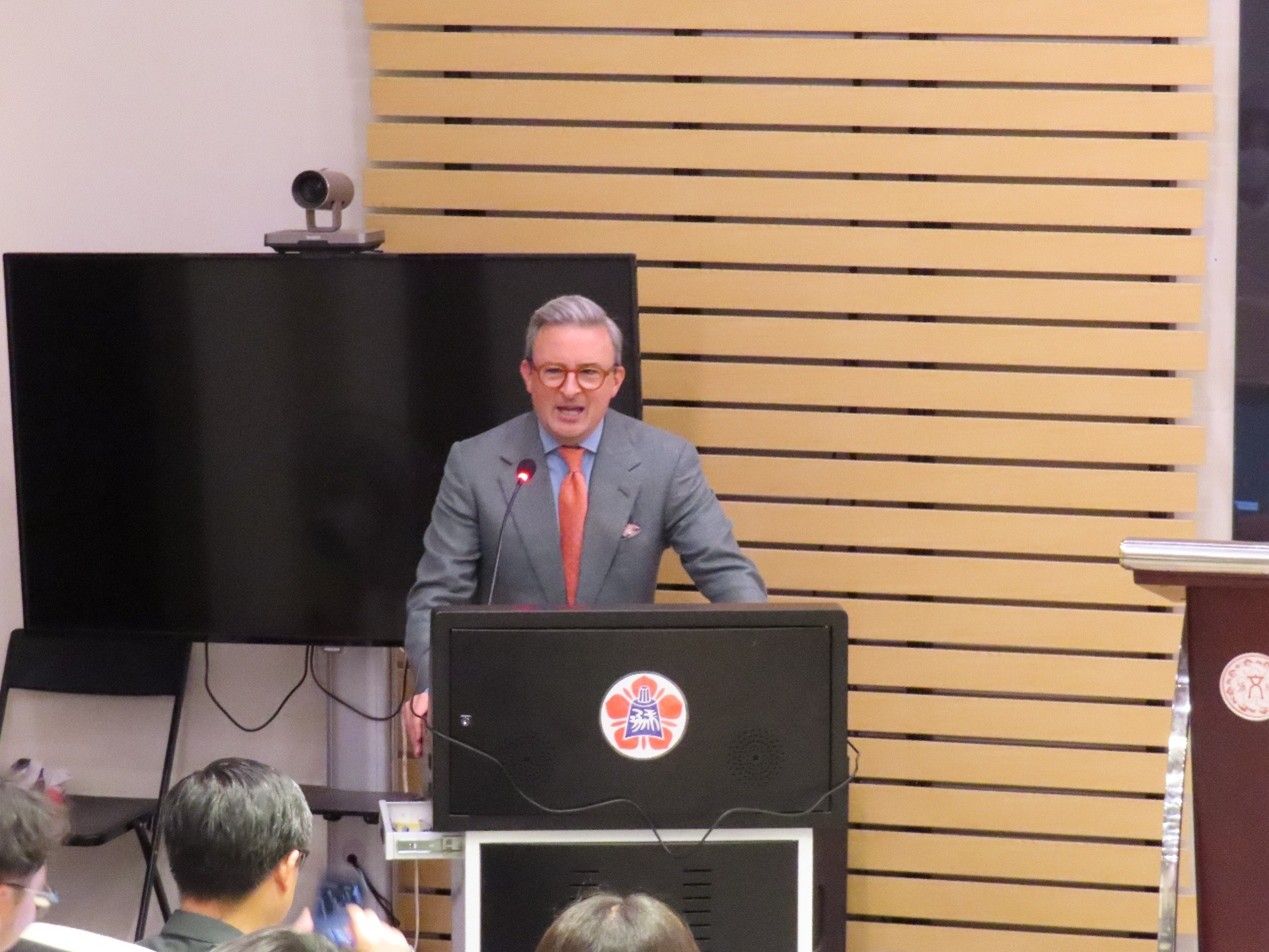
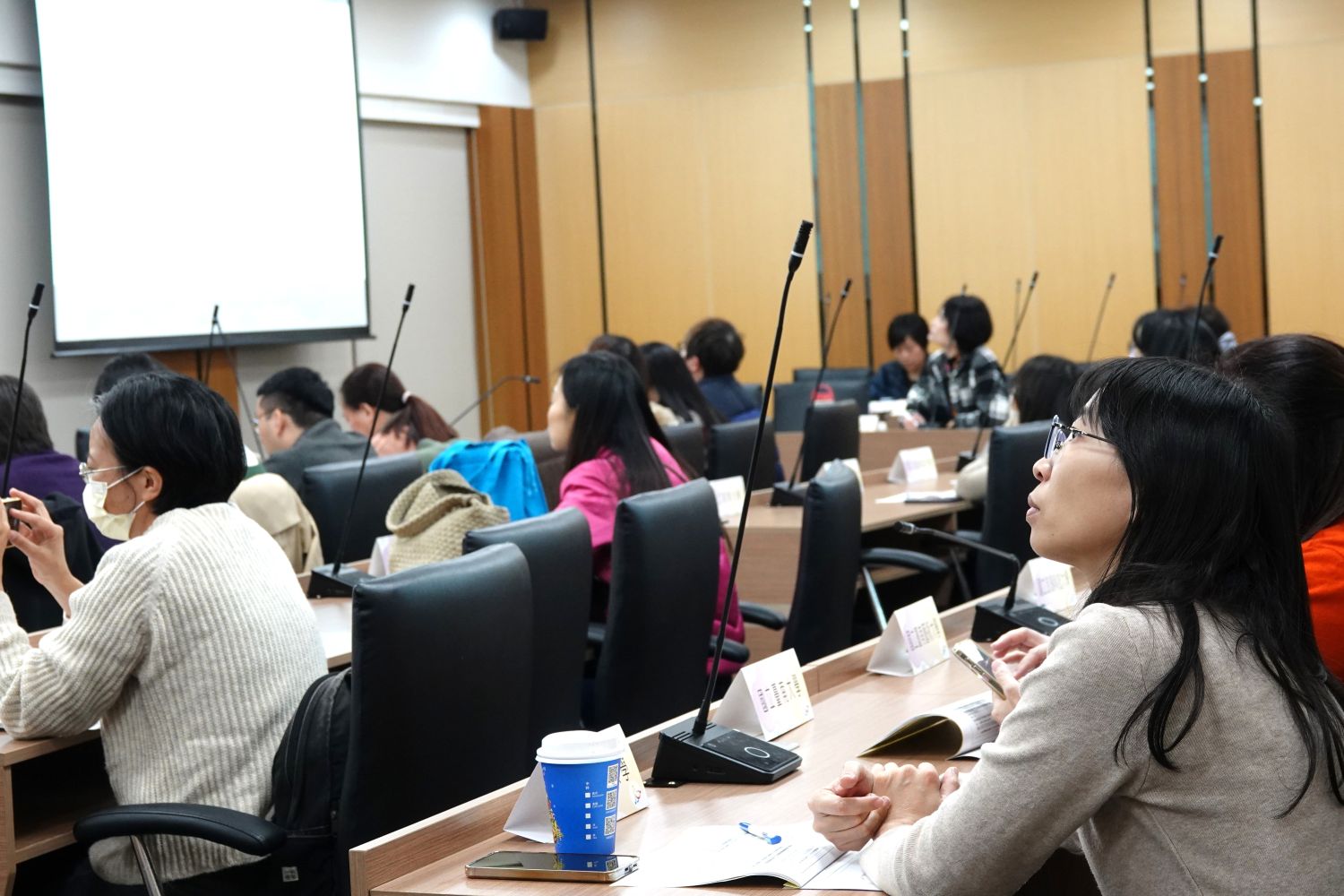
Leading nearly one hundred faculty members, students, and scholars from multiple universities through centuries of intellectual history, both in person and online, Professor Nelson highlighted the pivotal contributions of the fourth-century BCE Greek thinker Isocrates.

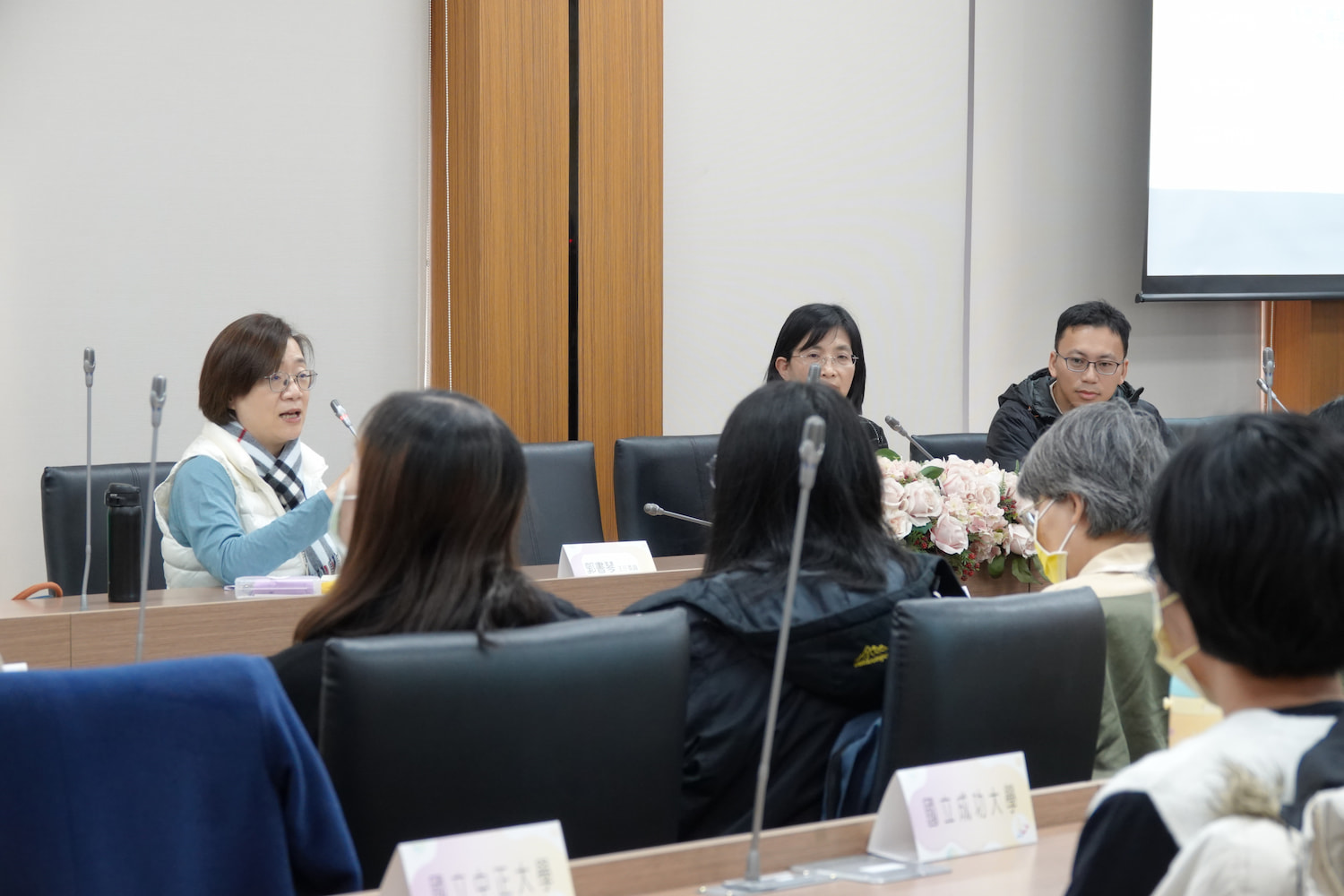
During the Q&A session, faculty members and students demonstrated remarkable academic rigor and critical thinking.

NCKU Vice President Professor Yuh-Neu Chen (right) presents a commemorative gift to Professor Eric Nelson, thanking him for sharing his scholarly insights with the university.