



SDG16
NCKU Hosts 2026 Southern Taiwan Research Ethics Alliance Meeting to Strengthen Research Ethics Governance
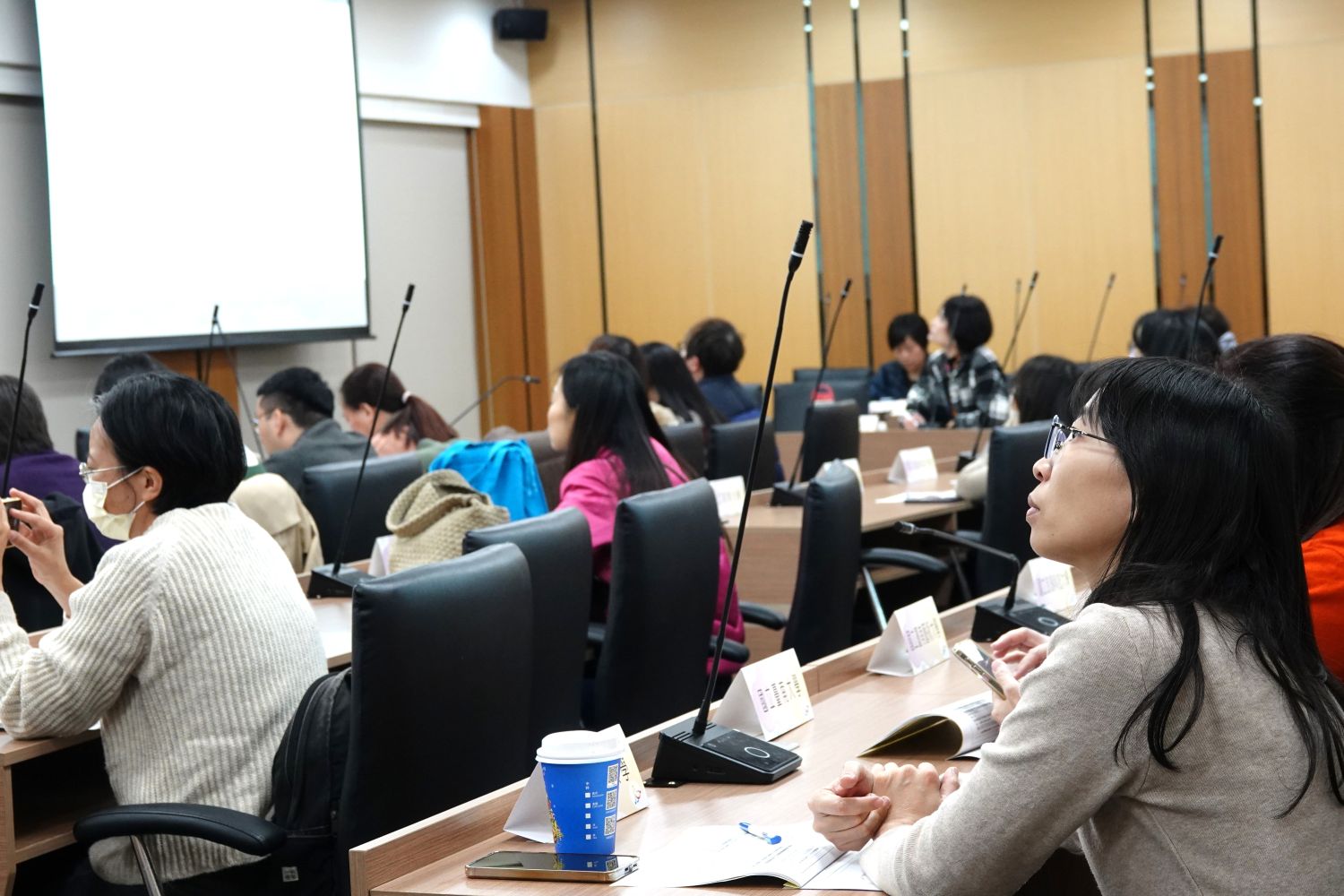
The 2026 Southern Taiwan Research Ethics Alliance Meeting was held on the afternoon of Friday, January 9, in the Second Conference Room of the Yun-Ping Administration Building at National Cheng Kung University’s (NCKU) Kuang-Fu Campus. Representatives from more than 30 partner institutions of the Southern Taiwan Research Ethics Alliance attended to exchange experiences and discuss the implementation of research ethics governance frameworks.
Director Cheng-Ta Yang (楊政達) of NCKU’s Center for Humanities and Social Sciences noted in his remarks that the Alliance, together with institutions that have signed delegated review agreements with NCKU, has steadily grown to over 60 units, encompassing academia, government, and healthcare sectors, reflecting widespread attention to research ethics review. Facing the annual increase in review applications, NCKU’s Human Research Ethics Committee implemented case volume management measures starting in 2026, while ensuring priority service for Southern Alliance partners, providing timely consultation and support. He further emphasized that the purpose of promoting review mechanisms is to protect the rights and welfare of research participants, uphold the academic integrity of researchers, and ensure institutional compliance. The core focus of this meeting was to assist institutions in evaluating whether to establish their own Research Ethics Committees, thereby improving overall efficiency through effective case distribution. He expressed hope that, based on mutual trust and benefit, all participants can work together to strengthen the research ethics environment in southern Taiwan.
Since its establishment in 2012, the Southern Taiwan Research Ethics Alliance has engaged over 50 universities and colleges from central, southern, and outlying regions, steadily developing a collaborative mechanism that provides professional research ethics consultation and review channels. This framework promotes resource integration and sharing, allowing researchers to submit projects for ethical review with confidence. The reputation for quality service helped the number of review applications exceed one thousand in 2025. Considering workload and available resources, and to ensure review quality and efficiency, starting January 1, 2026, the Alliance adopted an annual and monthly quota system for accepting new review applications.
In addition to routine annual reports and discussion exchanges, the meeting included special topic presentations. Assistant Professor Shu-Yu Chen from the Department of Gerontological Health Care at National Taipei University of Nursing and Health Sciences shared on “Institutional Responsibilities and Implementation Planning for Research Ethics Committees in Higher Education,” helping participating institutions understand the regulations and preparations required to establish internal research ethics committees. Professor Ching-Chih Wang (王靜枝) from NCKU’s Department of Nursing presented on “Ethical Challenges and Responses in Research Participation of Patients with Dementia,” allowing attendees to better understand ethical considerations during research execution.
In recent years, societal attention to research ethics has increased due to related news events. Additionally, funding agencies such as the Ministry of Science and Technology and the Ministry of Education have strengthened promotion and regulation, requiring research projects to pass ethics review before execution. Not only are research ethics reviews required for academic journal submissions, but public awareness of research ethics has also risen significantly.
Looking ahead, NCKU’s human research ethics governance framework will continue to operate the Southern Taiwan Research Ethics Alliance, providing services including ethics review, educational courses, and professional consultation. These efforts aim to help research teams, participants, and research sites place greater emphasis on ethical issues during research, fostering trustworthy research outcomes for society.
Director Cheng-Ta Yang (楊政達) of NCKU’s Center for Humanities and Social Sciences noted in his remarks that the Alliance, together with institutions that have signed delegated review agreements with NCKU, has steadily grown to over 60 units, encompassing academia, government, and healthcare sectors, reflecting widespread attention to research ethics review. Facing the annual increase in review applications, NCKU’s Human Research Ethics Committee implemented case volume management measures starting in 2026, while ensuring priority service for Southern Alliance partners, providing timely consultation and support. He further emphasized that the purpose of promoting review mechanisms is to protect the rights and welfare of research participants, uphold the academic integrity of researchers, and ensure institutional compliance. The core focus of this meeting was to assist institutions in evaluating whether to establish their own Research Ethics Committees, thereby improving overall efficiency through effective case distribution. He expressed hope that, based on mutual trust and benefit, all participants can work together to strengthen the research ethics environment in southern Taiwan.
Since its establishment in 2012, the Southern Taiwan Research Ethics Alliance has engaged over 50 universities and colleges from central, southern, and outlying regions, steadily developing a collaborative mechanism that provides professional research ethics consultation and review channels. This framework promotes resource integration and sharing, allowing researchers to submit projects for ethical review with confidence. The reputation for quality service helped the number of review applications exceed one thousand in 2025. Considering workload and available resources, and to ensure review quality and efficiency, starting January 1, 2026, the Alliance adopted an annual and monthly quota system for accepting new review applications.
In addition to routine annual reports and discussion exchanges, the meeting included special topic presentations. Assistant Professor Shu-Yu Chen from the Department of Gerontological Health Care at National Taipei University of Nursing and Health Sciences shared on “Institutional Responsibilities and Implementation Planning for Research Ethics Committees in Higher Education,” helping participating institutions understand the regulations and preparations required to establish internal research ethics committees. Professor Ching-Chih Wang (王靜枝) from NCKU’s Department of Nursing presented on “Ethical Challenges and Responses in Research Participation of Patients with Dementia,” allowing attendees to better understand ethical considerations during research execution.
In recent years, societal attention to research ethics has increased due to related news events. Additionally, funding agencies such as the Ministry of Science and Technology and the Ministry of Education have strengthened promotion and regulation, requiring research projects to pass ethics review before execution. Not only are research ethics reviews required for academic journal submissions, but public awareness of research ethics has also risen significantly.
Looking ahead, NCKU’s human research ethics governance framework will continue to operate the Southern Taiwan Research Ethics Alliance, providing services including ethics review, educational courses, and professional consultation. These efforts aim to help research teams, participants, and research sites place greater emphasis on ethical issues during research, fostering trustworthy research outcomes for society.
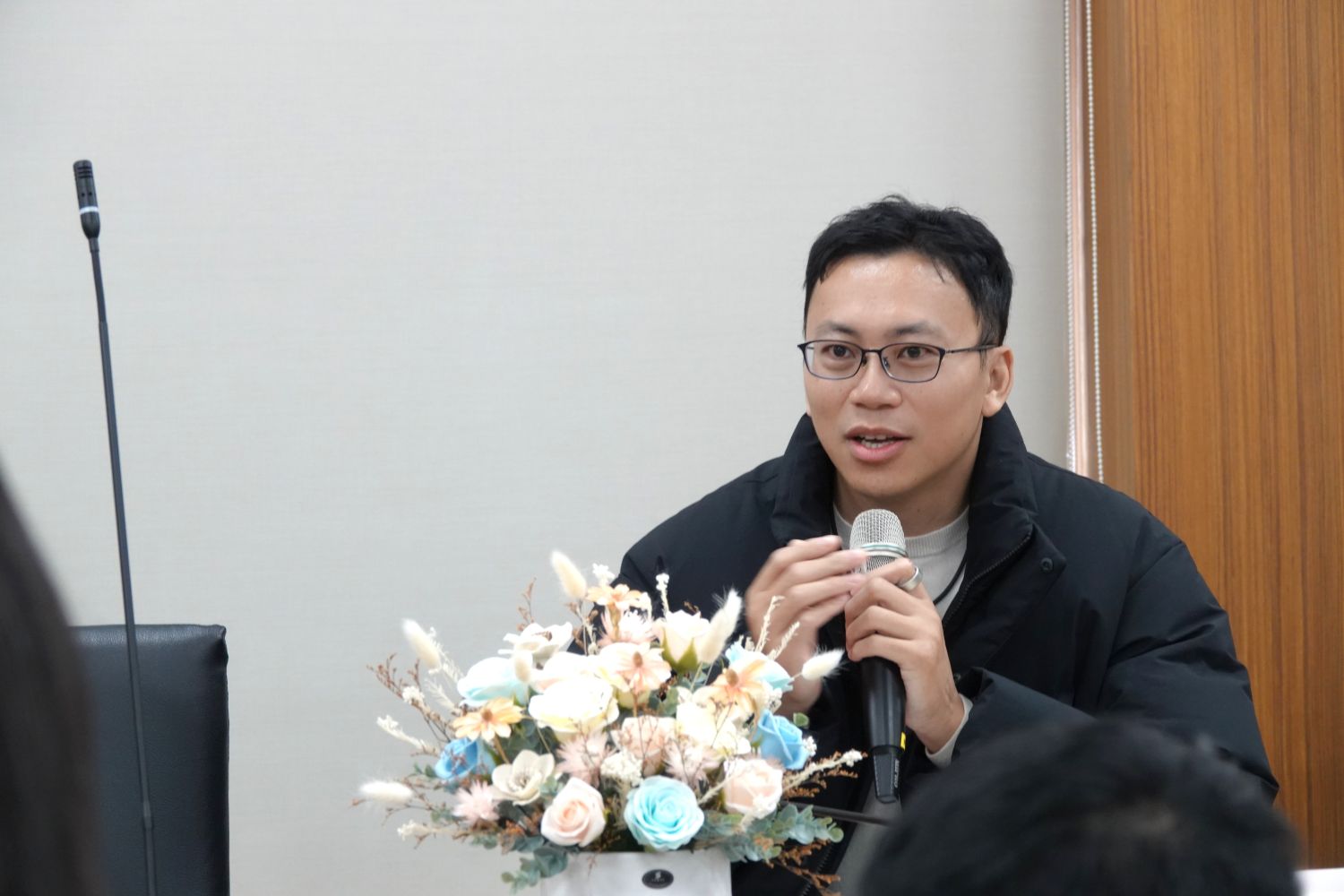
Director Cheng-Ta Yang of NCKU’s Center for Humanities and Social Sciences stated that the original purpose of promoting the review system is to protect the rights and welfare of research participants, uphold the academic integrity of researchers, and ensure the legality and compliance of institutional research sites.
The 2026 Southern Taiwan Research Ethics Alliance Meeting was attended by representatives from more than 30 partner institutions, who came together to exchange experiences and discuss the implementation of research ethics governance frameworks.