




SDG10
NCKU’s "2026 Taiwan Sound and Image" Series Features "Taiwan Children’s Voice": Rural Students Illuminate Campus with Art
Organized by National Cheng Kung University (NCKU) Taiwan Studies Program and the College of Liberal Arts, and co-organized by the Graduate Institute of Art Studies and the Master's Program in Theatre, the exhibition "2026 Taiwan Sound and Image: Sound and Image Writing and Knowledge Translation of Taiwanese Performing Arts in the AI Era (Mid-term Achievement Exhibition)" is being held from June 9 to 18 at the History Archives at the NCKU Kuang-Fu Campus. The exhibition showcases a diverse range of interdisciplinary research achievements, including project displays from the "Artificial Intelligence Ethics" course and creative works from the "Creative Theatre" class. On the morning of June 13, students from Jiangjyun Elementary School in Tainan's coastal Jiangjun District delivered a heartwarming and energetic special performance titled “2026 Taiwan Children's Voice" at the Phoenix Theater.
Chou Zhi-Qiang, Principal of Jiangjyun Elementary School, expressed his gratitude to NCKU for providing a professional, high-quality theater and rich resources. He noted that this opportunity allowed students from a remote coastal community in the northwestern corner of Tainan to stand on a university stage, showcasing their daily learning and a year of hard work. Behind these achievements, he added, lies the dedication and companionship of teachers and coaches. "Every practice, every performance, and every round of applause represents an accumulation of love and support," Principal Chou said. "In the future, let us continue to walk hand in hand to accompany our children, helping them grow with confidence and creating more wonderful and touching moments together."
The "2026 Taiwan Children's Voice" special performance was free and open to the public. The program featured students from kindergarten to upper grades participating in rhythmic dance, ocarina performances, English Readers' Theater, and storytelling, fully demonstrating the children's achievements in art, music, and linguistic expression. The repertoire included “The Backpacker”, “SWING DANCE”, “Listen to Me Say Thank You”, “Running Wild on the Grass”, “Momotaro”, “Little Apple”,“Wings for You”, “The Black-dog Brother on the Mountain Top”, and “Rainbow Bubbles”. Notably, the English Readers' Theater combined role-playing with oral expression training to showcase the students' cross-linguistic communication skills, while the ocarina performances highlighted the deep-rooted fruits of arts education. Through these diverse presentation formats, the children not only confidently expressed their creativity on a professional university stage but also allowed the public to witness the abundant fruits of rural education and arts cultivation.
In addition to the stage performances, History Archives hosted the "Arts Practical Workshop: Arts Education Session for Rural Students" on the afternoon of June 13. Led by professional instructors, the hands-on experiential courses guided the students to explore various art forms, increasing their cultural participation, enhancing their artistic literacy, and broadening their horizons in arts learning.
Chen Jia-Bin, Associate Professor of the Graduate Institute of Art Studies, Strategic Planning Director of the NCKU Art Center, and Director of the Taiwan Studies Program, pointed out that "Taiwan Sound and Image"—a sub-project under NCKU’s comprehensive "Taiwan Studies" umbrella project—has long focused on preserving Taiwanese performing arts and local cultural memories. By utilizing sound sampling, digital archiving, and AI technology applications, the project explores new modes of cultural heritage transmission in the digital age. Professor Chen emphasized that this exhibition not only presents phase-based research outcomes but also aims to encourage the public to ponder the possibilities of integrating technology with the humanities, ensuring that Taiwan's precious performing arts culture can be seen, understood, and passed down to the next generation through innovative forms.
Supported by the Ministry of Education's Higher Education Sprout Project, this event centers on the interdisciplinary integration of Artificial Intelligence (AI), digital humanities, and the performing arts. It explores the preservation, documentation, and knowledge translation of Taiwanese performing arts heritage, showcasing the phased achievements of the research team. The exhibition period also features a series of activities, including the "2026 Taiwan Children's Voice" performance and the "Arts Practical Workshop," perfectly demonstrating the multifaceted fruits of the intersection between technology, humanities, and the arts.
Chou Zhi-Qiang, Principal of Jiangjyun Elementary School, expressed his gratitude to NCKU for providing a professional, high-quality theater and rich resources. He noted that this opportunity allowed students from a remote coastal community in the northwestern corner of Tainan to stand on a university stage, showcasing their daily learning and a year of hard work. Behind these achievements, he added, lies the dedication and companionship of teachers and coaches. "Every practice, every performance, and every round of applause represents an accumulation of love and support," Principal Chou said. "In the future, let us continue to walk hand in hand to accompany our children, helping them grow with confidence and creating more wonderful and touching moments together."
The "2026 Taiwan Children's Voice" special performance was free and open to the public. The program featured students from kindergarten to upper grades participating in rhythmic dance, ocarina performances, English Readers' Theater, and storytelling, fully demonstrating the children's achievements in art, music, and linguistic expression. The repertoire included “The Backpacker”, “SWING DANCE”, “Listen to Me Say Thank You”, “Running Wild on the Grass”, “Momotaro”, “Little Apple”,“Wings for You”, “The Black-dog Brother on the Mountain Top”, and “Rainbow Bubbles”. Notably, the English Readers' Theater combined role-playing with oral expression training to showcase the students' cross-linguistic communication skills, while the ocarina performances highlighted the deep-rooted fruits of arts education. Through these diverse presentation formats, the children not only confidently expressed their creativity on a professional university stage but also allowed the public to witness the abundant fruits of rural education and arts cultivation.
In addition to the stage performances, History Archives hosted the "Arts Practical Workshop: Arts Education Session for Rural Students" on the afternoon of June 13. Led by professional instructors, the hands-on experiential courses guided the students to explore various art forms, increasing their cultural participation, enhancing their artistic literacy, and broadening their horizons in arts learning.
Chen Jia-Bin, Associate Professor of the Graduate Institute of Art Studies, Strategic Planning Director of the NCKU Art Center, and Director of the Taiwan Studies Program, pointed out that "Taiwan Sound and Image"—a sub-project under NCKU’s comprehensive "Taiwan Studies" umbrella project—has long focused on preserving Taiwanese performing arts and local cultural memories. By utilizing sound sampling, digital archiving, and AI technology applications, the project explores new modes of cultural heritage transmission in the digital age. Professor Chen emphasized that this exhibition not only presents phase-based research outcomes but also aims to encourage the public to ponder the possibilities of integrating technology with the humanities, ensuring that Taiwan's precious performing arts culture can be seen, understood, and passed down to the next generation through innovative forms.
Supported by the Ministry of Education's Higher Education Sprout Project, this event centers on the interdisciplinary integration of Artificial Intelligence (AI), digital humanities, and the performing arts. It explores the preservation, documentation, and knowledge translation of Taiwanese performing arts heritage, showcasing the phased achievements of the research team. The exhibition period also features a series of activities, including the "2026 Taiwan Children's Voice" performance and the "Arts Practical Workshop," perfectly demonstrating the multifaceted fruits of the intersection between technology, humanities, and the arts.
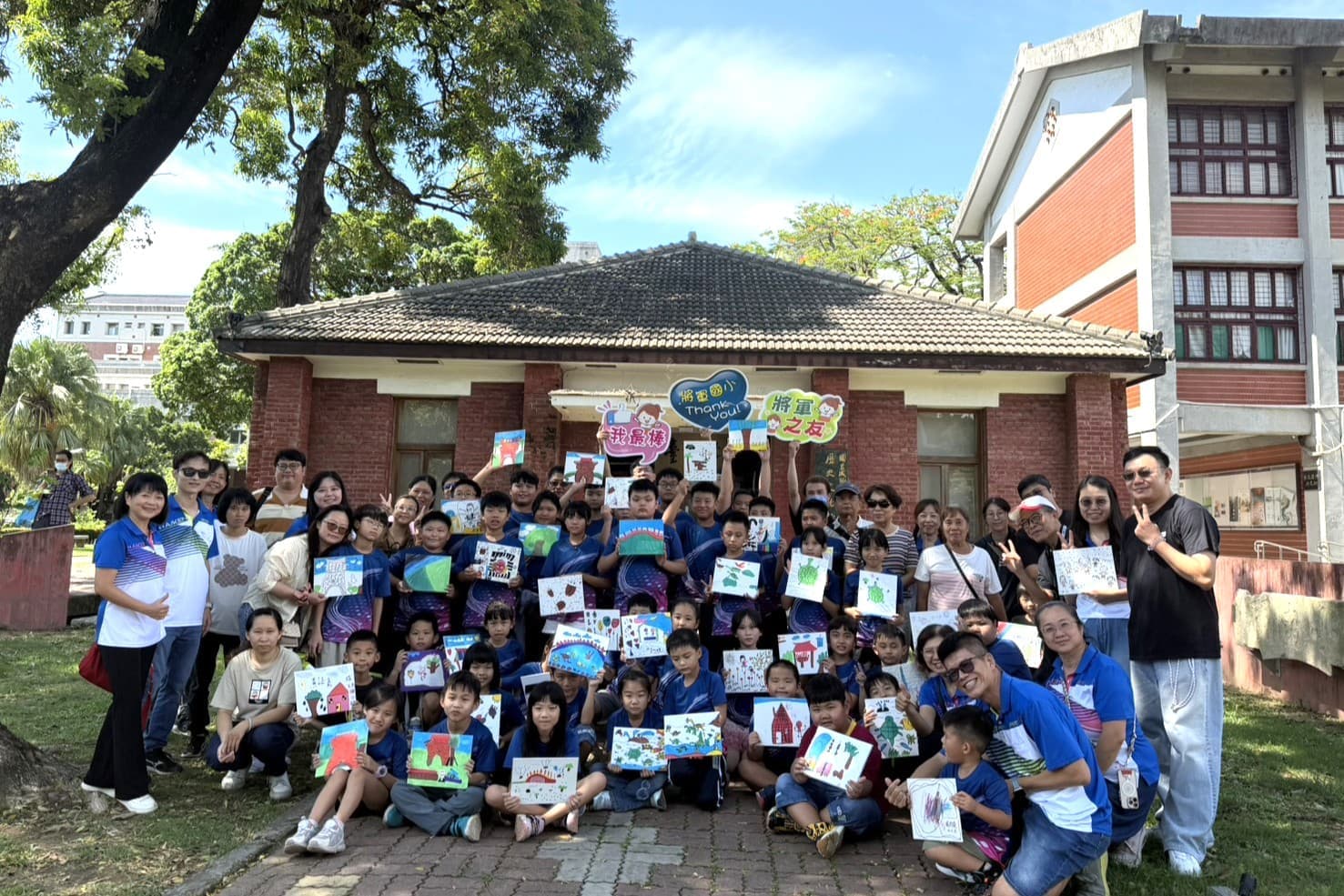
On the afternoon of the same day (June 13), the History Archives also hosted the "Arts Practical Workshop: Arts Education Session for Rural Students."
Students from Jiangjyun Elementary School in Tainan City delivered a special performance titled "2026 Taiwan Children's Voice," injecting warmth and vitality into the campus.
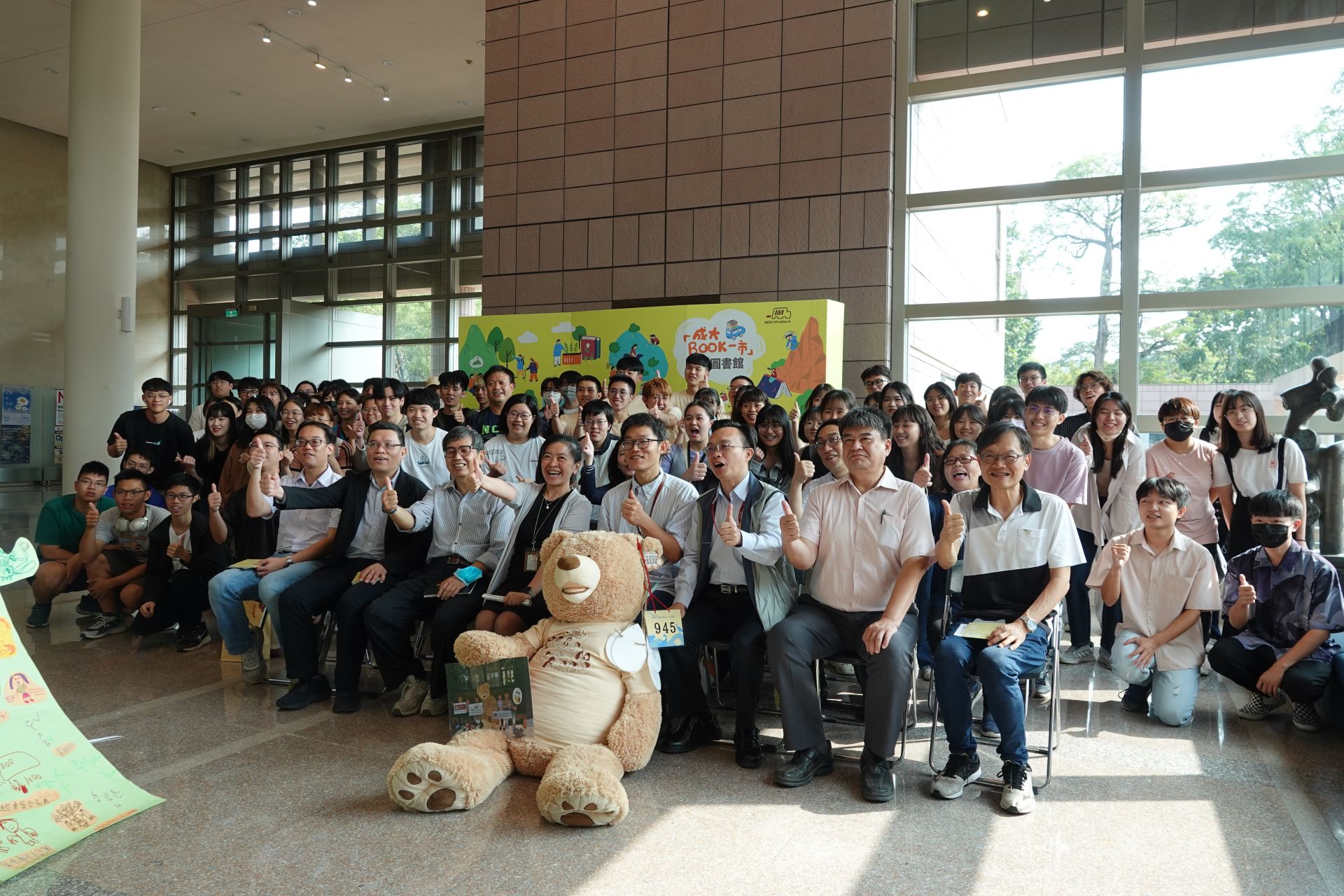
SDG10Continuing the Touch of Knowledge Sharing: The 4th NCKU Book Exchange Mobile Library Exhibition at the Main Library
View more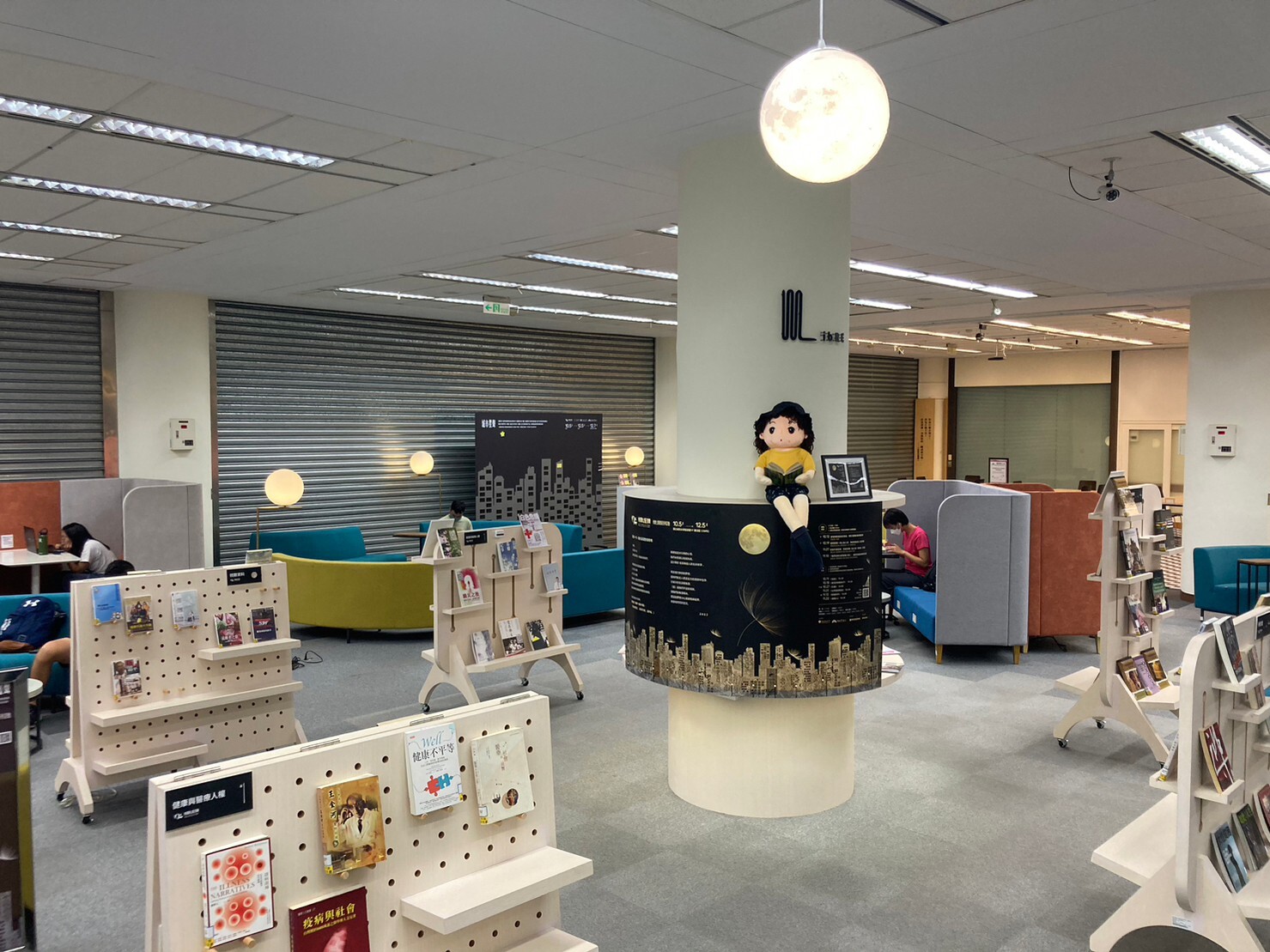
SDG10NCKU Library Hosts Book Exhibition Spotlighting Human Rights Issues and Extends Invitations for Series of Events
View more