



SDG11
"Badlands Pixel 2.0" Mobile Experimental Camp: NCKU Students Boldly Implement Regional Revitalization and Gain Local Recognition
By "Living Gently with the Badlands" Student Team
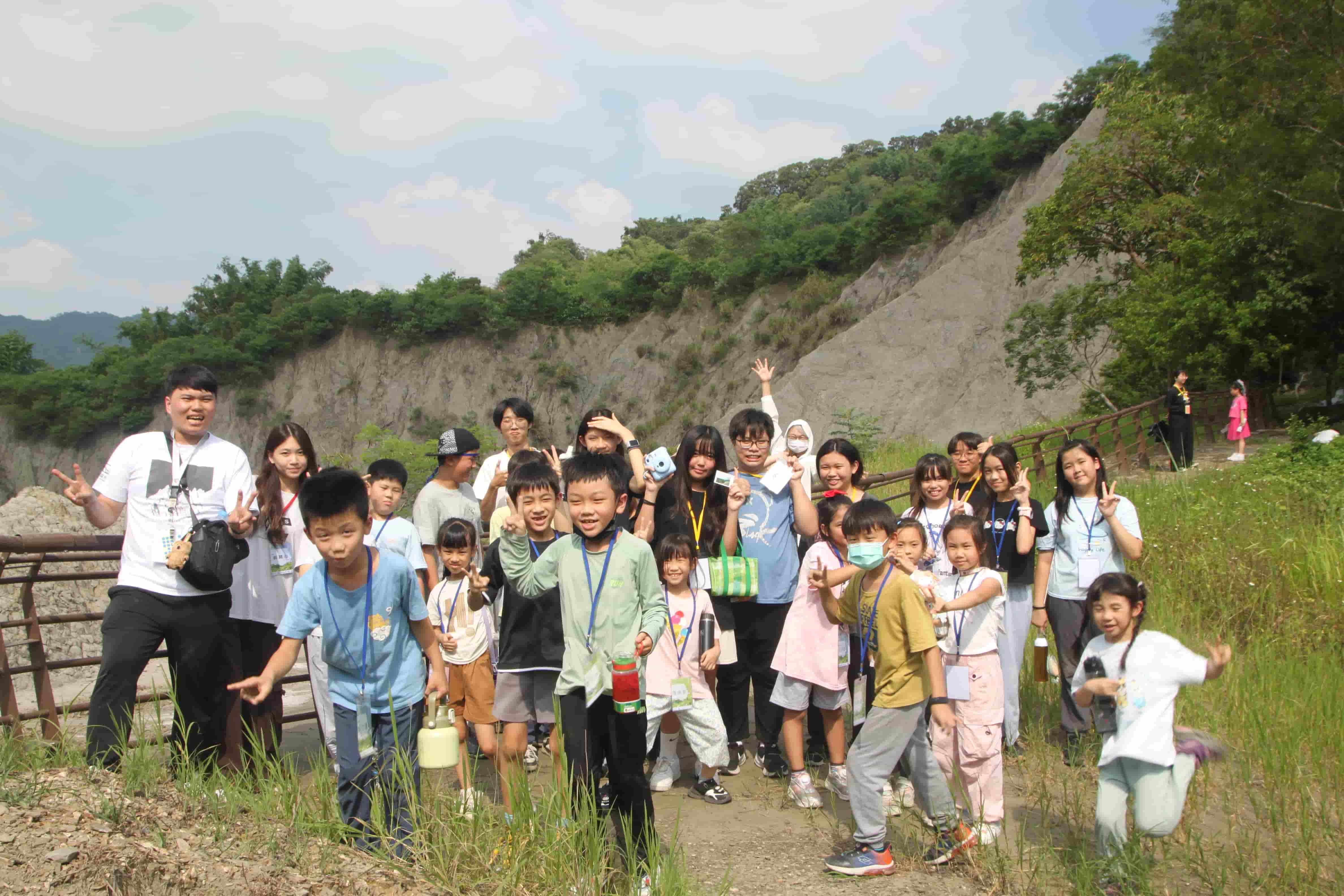
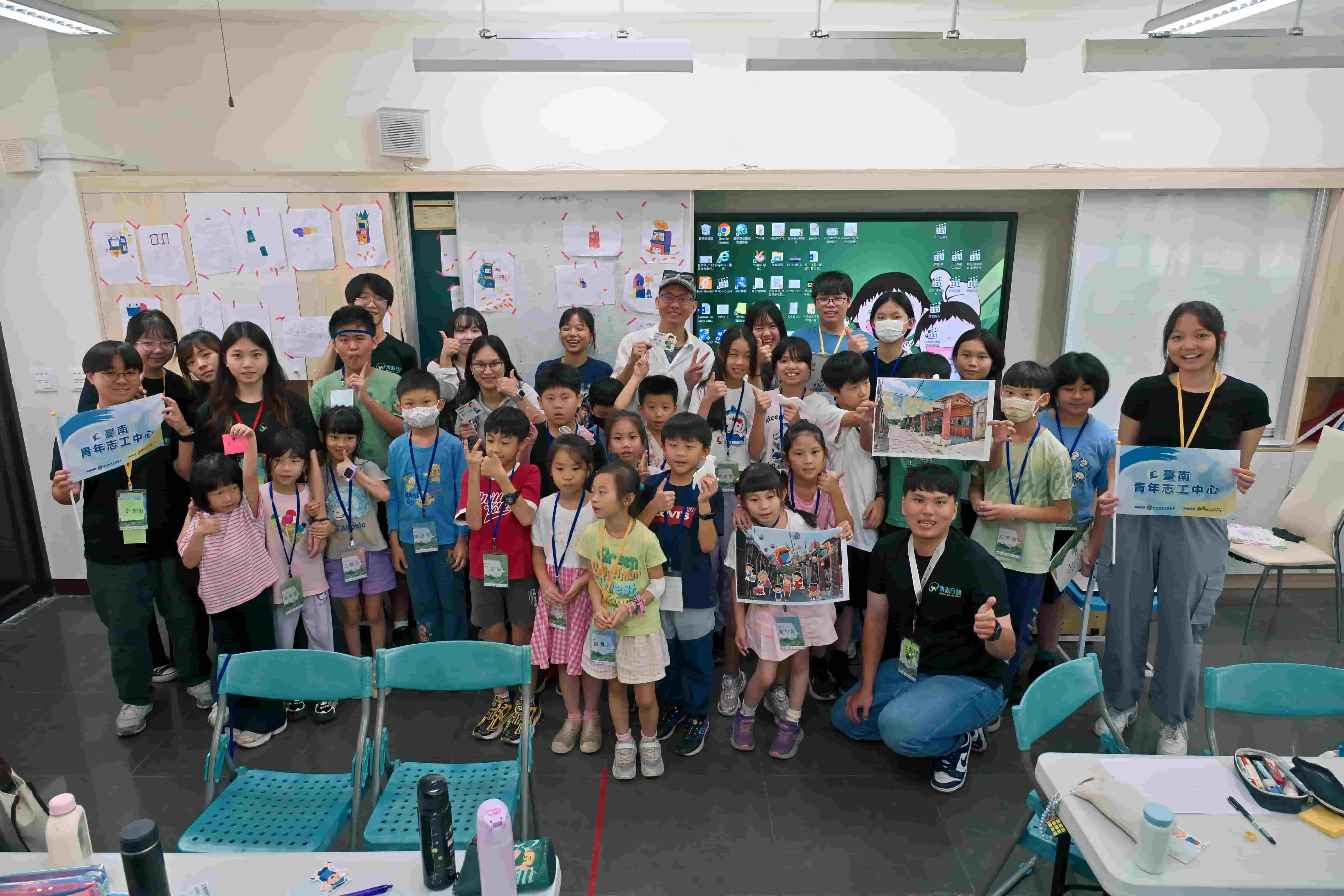
The student team "Living Gently with the Badlands" from National Cheng Kung University (NCKU), with the assistance of the "Collaborative Badlands USR" team, held the "Badlands Pixel 2.0 – Little Creators" Mobile Experimental Camp at Tainan Municipal Zuojhen Primary School from July 1 to July 3. Through experiential and participatory learning, the camp guided Zuojhen Primary School students to rediscover their hometown environment from their own perspectives, understand local characteristics and challenges, and jointly brainstorm feasible solutions, thereby cultivating local identity and a sense of local participation.
The University Social Responsibility (USR) "Collaborative Badlands" project at NCKU has long been deeply involved in areas such as Zuojhen, Longci, and Tianliao, connecting local resources through educational actions and continuously nurturing young people to engage in regional revitalization practices.
The 3-day curriculum centered on "Knowing the Region, Co-creating the Region, and Local Action," guiding pupils step-by-step to participate in local affairs. The first day focused on local issues, reviewing previous study tour results, and conducting field investigations at the Gongguan Community Development Association. Through observation, documentation, and interviews, students came to understand daily local life, while integrating agroecology education to prompt students to reflect on the relationship between environment and life. The second day featured a co-creation workshop, guiding pupils to propose improvement strategies and action ideas for local issues through group discussions and focus dialogues. The third day entered the achievement implementation phase, where pupils were grouped by grade to complete guided tour contents and story explanation designs, presenting their learning journeys, local observations, and future imaginations during the final presentation.
In terms of teaching methodology, the team adopted a guided teaching method, adjusting instruction and interaction modes based on students' engagement states to encourage pupils to actively observe, think, and express themselves. Across courses such as action maps, action workshops, and action imagination, the pupils demonstrated high creativity and expression skills, analyzing local issues based on their life experiences and proposing concrete action ideas. This demonstrated that with proper guidance and support, primary school students also possess the capability to participate in local public issues and regional revitalization discussions.
Chuan-Cheng Wang, head of the project team, stated that "Badlands Pixel 2.0 – Little Creators" invited junior high school students to participate for the first time, connecting students who had joined the Collaborative Badlands project over the years. This enabled children who were once mentored to gradually become guides, leading younger peers to rediscover the community and deepen their local understanding, while also continuing the learning journey of regional revitalization.
The return rate of students for this camp reached 95%, signifying that the long-term commitment has gradually gained recognition from the school, parents, and the community. At the conclusion of the previous winter vacation activity, children asked, "Big brothers and big sisters, will you come back again?" "Badlands Pixel 2.0" returned to Zuojhen as promised, serving not only as the continuation of a camp, but also as the fulfillment of a commitment to the local community and its children.
Zuojhen Primary School is a long-term partner school of NCKU's "Collaborative Badlands USR." Since the 2022–2023 academic year, it has promoted digital revitalization technology courses, gradually deepening the connection between the school and the local region while responding to local development needs. On this existing foundation, the "Living Gently with the Badlands" team further integrated educational and community resources, securing the "2026 Youth Self-Organized Team Volunteer Action Program" from the Youth Development Administration, Ministry of Education. This facilitated the "Badlands Pixel 2.0 – Little Creators" Mobile Experimental Camp, allowing learning achievements accumulated over the years to continuously extend and build up.
After taking the course "SUSTAINABLE PLANNING & CITY MARKETING PRACTICES" offered by the Department of Urban Planning, students formed the "Living Gently with the Badlands" team. Carrying forward the achievements and experiences of the winter vacation "Badlands Pixel" regional revitalization camp, they returned to Zuojhen once again, partnering with the Guangrong Leisure Agricultural Area to promote regional revitalization actions. Through deepening course designs and local cooperation, they accompanied pupils in knowing their hometown and accumulating energy for local participation.
The student team "Living Gently with the Badlands" from National Cheng Kung University (NCKU), with the assistance of the "Collaborative Badlands USR" team, held the "Badlands Pixel 2.0 – Little Creators" Mobile Experimental Camp at Tainan Municipal Zuojhen Primary School from July 1 to July 3. Through experiential and participatory learning, the camp guided Zuojhen Primary School students to rediscover their hometown environment from their own perspectives, understand local characteristics and challenges, and jointly brainstorm feasible solutions, thereby cultivating local identity and a sense of local participation.
The University Social Responsibility (USR) "Collaborative Badlands" project at NCKU has long been deeply involved in areas such as Zuojhen, Longci, and Tianliao, connecting local resources through educational actions and continuously nurturing young people to engage in regional revitalization practices.
The 3-day curriculum centered on "Knowing the Region, Co-creating the Region, and Local Action," guiding pupils step-by-step to participate in local affairs. The first day focused on local issues, reviewing previous study tour results, and conducting field investigations at the Gongguan Community Development Association. Through observation, documentation, and interviews, students came to understand daily local life, while integrating agroecology education to prompt students to reflect on the relationship between environment and life. The second day featured a co-creation workshop, guiding pupils to propose improvement strategies and action ideas for local issues through group discussions and focus dialogues. The third day entered the achievement implementation phase, where pupils were grouped by grade to complete guided tour contents and story explanation designs, presenting their learning journeys, local observations, and future imaginations during the final presentation.
In terms of teaching methodology, the team adopted a guided teaching method, adjusting instruction and interaction modes based on students' engagement states to encourage pupils to actively observe, think, and express themselves. Across courses such as action maps, action workshops, and action imagination, the pupils demonstrated high creativity and expression skills, analyzing local issues based on their life experiences and proposing concrete action ideas. This demonstrated that with proper guidance and support, primary school students also possess the capability to participate in local public issues and regional revitalization discussions.
Chuan-Cheng Wang, head of the project team, stated that "Badlands Pixel 2.0 – Little Creators" invited junior high school students to participate for the first time, connecting students who had joined the Collaborative Badlands project over the years. This enabled children who were once mentored to gradually become guides, leading younger peers to rediscover the community and deepen their local understanding, while also continuing the learning journey of regional revitalization.
The return rate of students for this camp reached 95%, signifying that the long-term commitment has gradually gained recognition from the school, parents, and the community. At the conclusion of the previous winter vacation activity, children asked, "Big brothers and big sisters, will you come back again?" "Badlands Pixel 2.0" returned to Zuojhen as promised, serving not only as the continuation of a camp, but also as the fulfillment of a commitment to the local community and its children.
Zuojhen Primary School is a long-term partner school of NCKU's "Collaborative Badlands USR." Since the 2022–2023 academic year, it has promoted digital revitalization technology courses, gradually deepening the connection between the school and the local region while responding to local development needs. On this existing foundation, the "Living Gently with the Badlands" team further integrated educational and community resources, securing the "2026 Youth Self-Organized Team Volunteer Action Program" from the Youth Development Administration, Ministry of Education. This facilitated the "Badlands Pixel 2.0 – Little Creators" Mobile Experimental Camp, allowing learning achievements accumulated over the years to continuously extend and build up.
After taking the course "SUSTAINABLE PLANNING & CITY MARKETING PRACTICES" offered by the Department of Urban Planning, students formed the "Living Gently with the Badlands" team. Carrying forward the achievements and experiences of the winter vacation "Badlands Pixel" regional revitalization camp, they returned to Zuojhen once again, partnering with the Guangrong Leisure Agricultural Area to promote regional revitalization actions. Through deepening course designs and local cooperation, they accompanied pupils in knowing their hometown and accumulating energy for local participation.
Commemorative group photo of the team and Zuojhen pupils against the unique natural landscape
Teacher Wei-Chi Chien from the Collaborative Badlands team leading a co-creation design experience activity
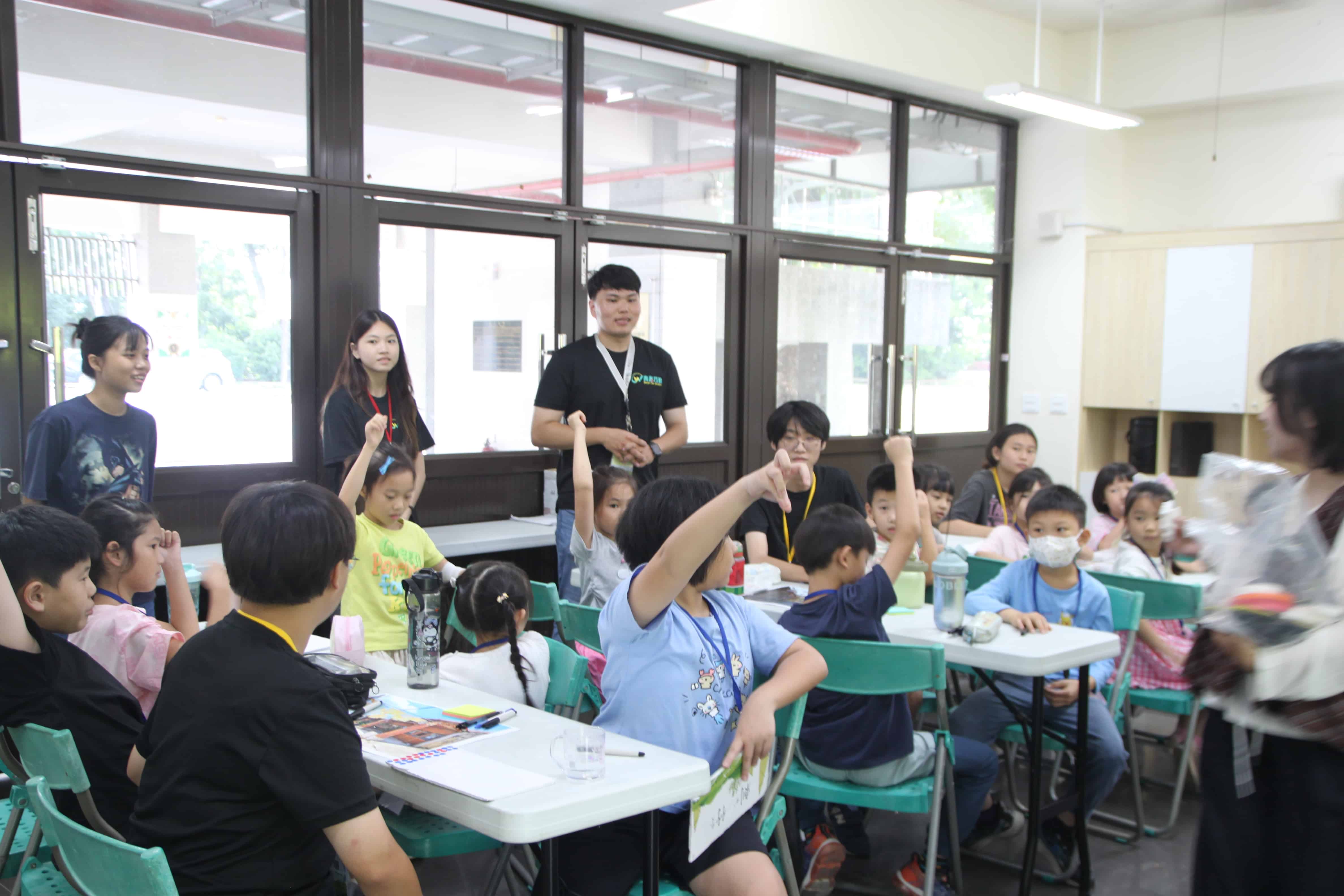
Pupils jointly discussing action plans and execution details
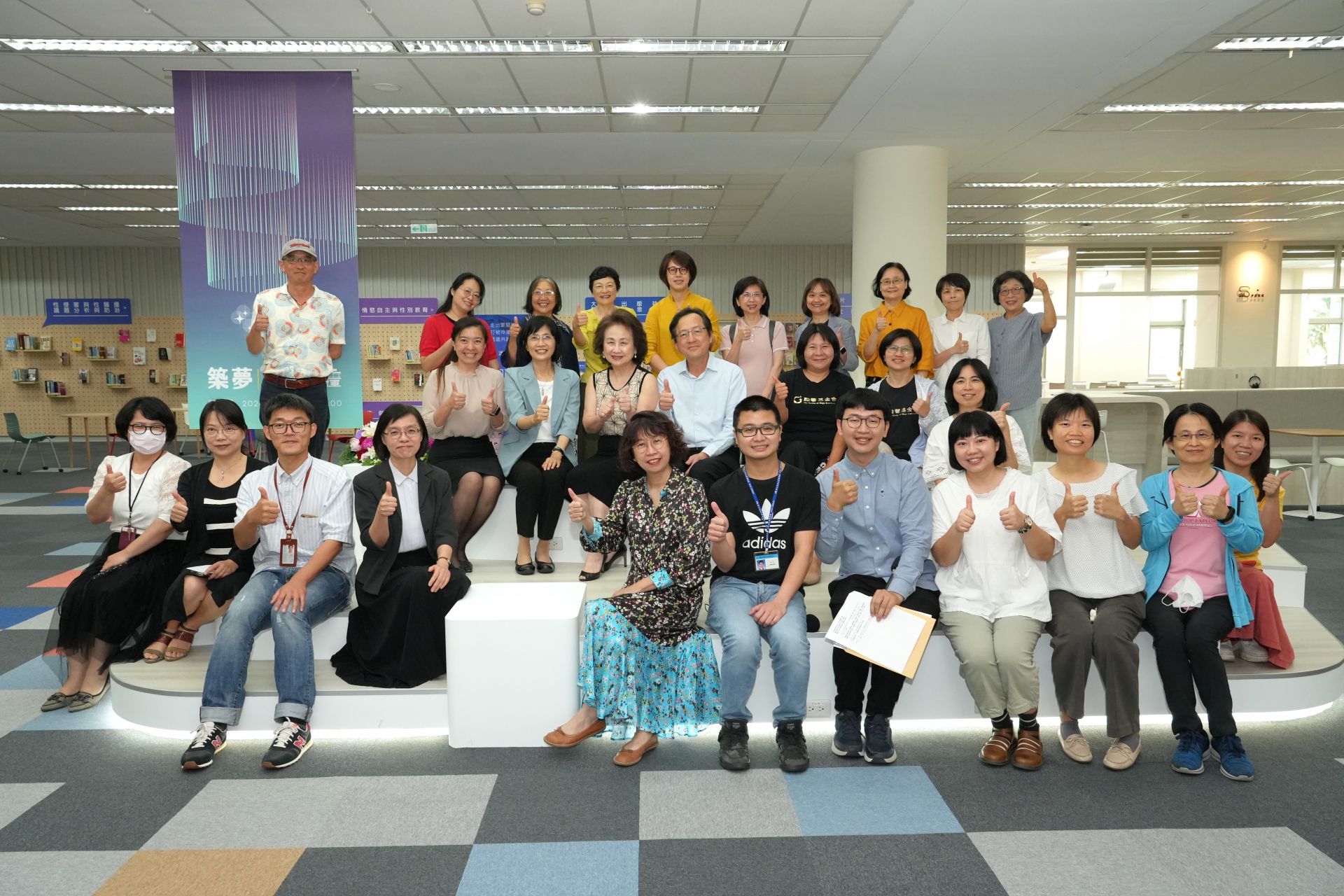
SDG11Dream into Reality, Building Dreams Solidly: Completion and Inauguration of Phase Two Space Transformation at NCKU Library
View more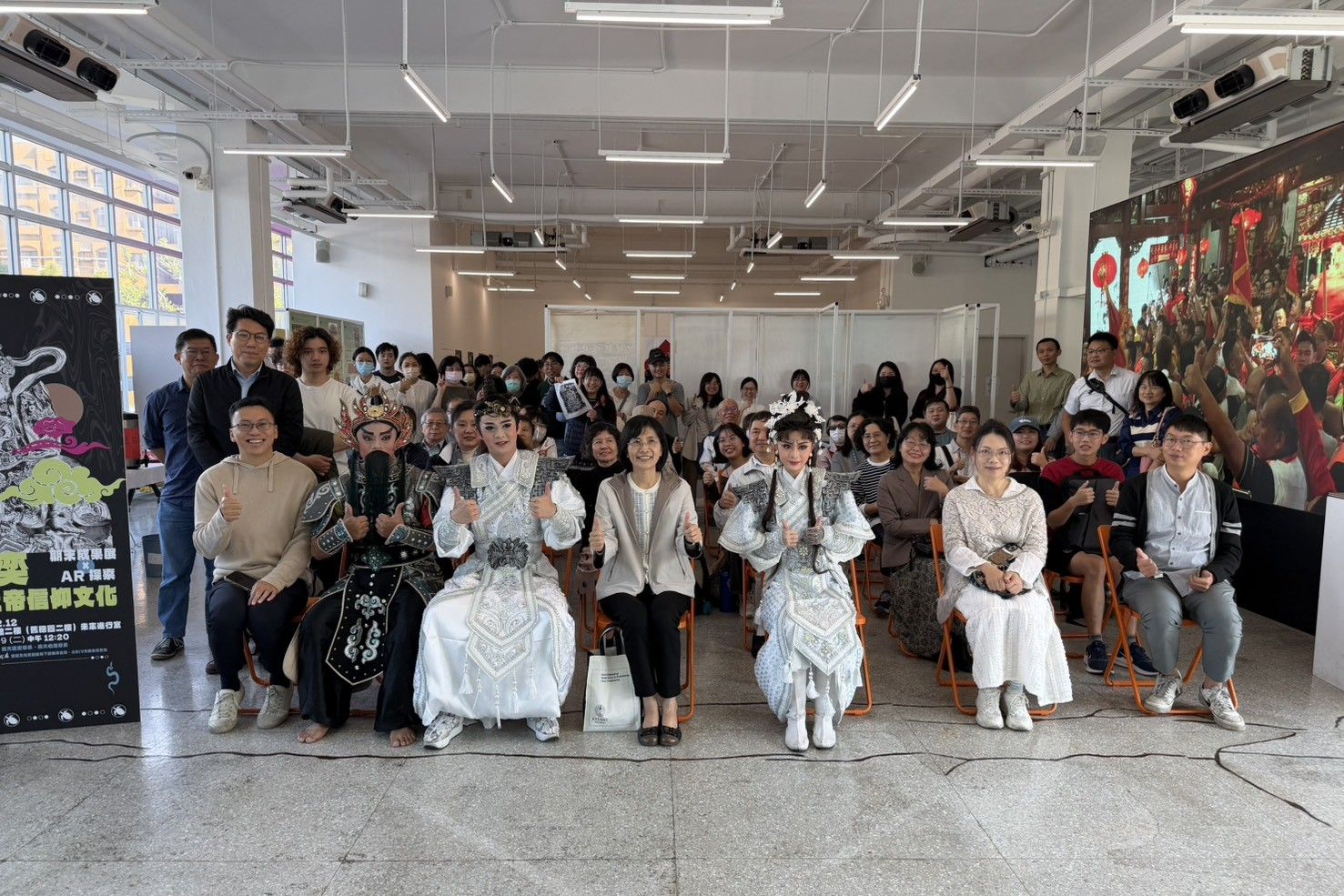
SDG11“The Majestic and Miraculous: The Xuanwu Faith in East Asia” Showcases Taiwan’s Cultural Innovation
View more