



SDG17
TCUS Short-Term Joint Research Program Explores Innovative Solutions for Sustainable Development
By Office of Research and Development | Photo by Office of Research and Development, Assistant Prof. Yun-Hsin Chuang
To promote academic exchanges among teaching and research personnel and deepen research capabilities, the Taiwan Comprehensive University System (TCUS) promoted the "Encouragement for Cross-Institutional Short-Term Collaborative Research Program." A total of 7 projects were approved for 2026, among which National Cheng Kung University (NCKU) received subsidies for 3 projects. The research topics are: 1. Quantum-Resilient 5G-AKA Protocol and Lightweight Drone Swarm Broadcast Authentication Study; 2. Cross-Scale Integrated Research on Carbon Cycle in Tropical Lagoons under Climate Change: Application Combining 3D Hydrodynamic Modeling and Long-Term Observations; and 3. Sustainability Committee, Carbon Reduction Performance, and Market Investor Perception: A Multinational Analysis.
Formed by National Cheng Kung University, Sun Yat-sen University, National Chung Hsing University, and National Chung Cheng University, the TCUS "Encouragement for Cross-Institutional Short-Term Collaborative Research Program" encourages teaching and research staff to focus on the United Nations Sustainable Development Goals (SDGs) and develop forward-looking, interdisciplinary research by subsidizing joint research expenses.
Brief introductions to NCKU's 3 research projects are as follows:
1. Quantum-Resilient 5G-AKA Protocol and Lightweight Drone Swarm Broadcast Authentication Study
Assistant Prof. Yun-Hsin Chuang from the Master Program of Executive Engineering Management in the College of Engineering at NCKU collaborated with the research team of Prof. Chun-I Fan from the Department of Computer Science and Engineering at Sun Yat-sen University regarding "Next-Generation Dynamic Edge Network Defense." Deeply integrating post-quantum cryptography, physical unclonable functions (PUF), and lightweight broadcast authentication, the project lays a critical foundation for communication security in Beyond 5G (B5G) and 6G networks, constructing a "post-quantum cybersecurity defense network" for drone swarms.
Wireless communication technology is accelerating its evolution toward the sixth generation of mobile communications (6G). Large-scale dynamic network deployments, including drone swarms, have become key infrastructure applications for the nation and industry. However, the encryption scheme (ECIES) in the current 5G-AKA identity authentication mechanism faces the risk of being rapidly cracked by quantum computing in the future. The vision of this collaborative research lies in bridging the technical gap between "post-quantum initial authentication" and "lightweight continuous broadcast authentication." Tightly aligned with "Industry, Innovation, and Infrastructure" (SDG 9), this project enhances Taiwan's independent R&D capabilities in forward-looking communication and key cybersecurity technologies.
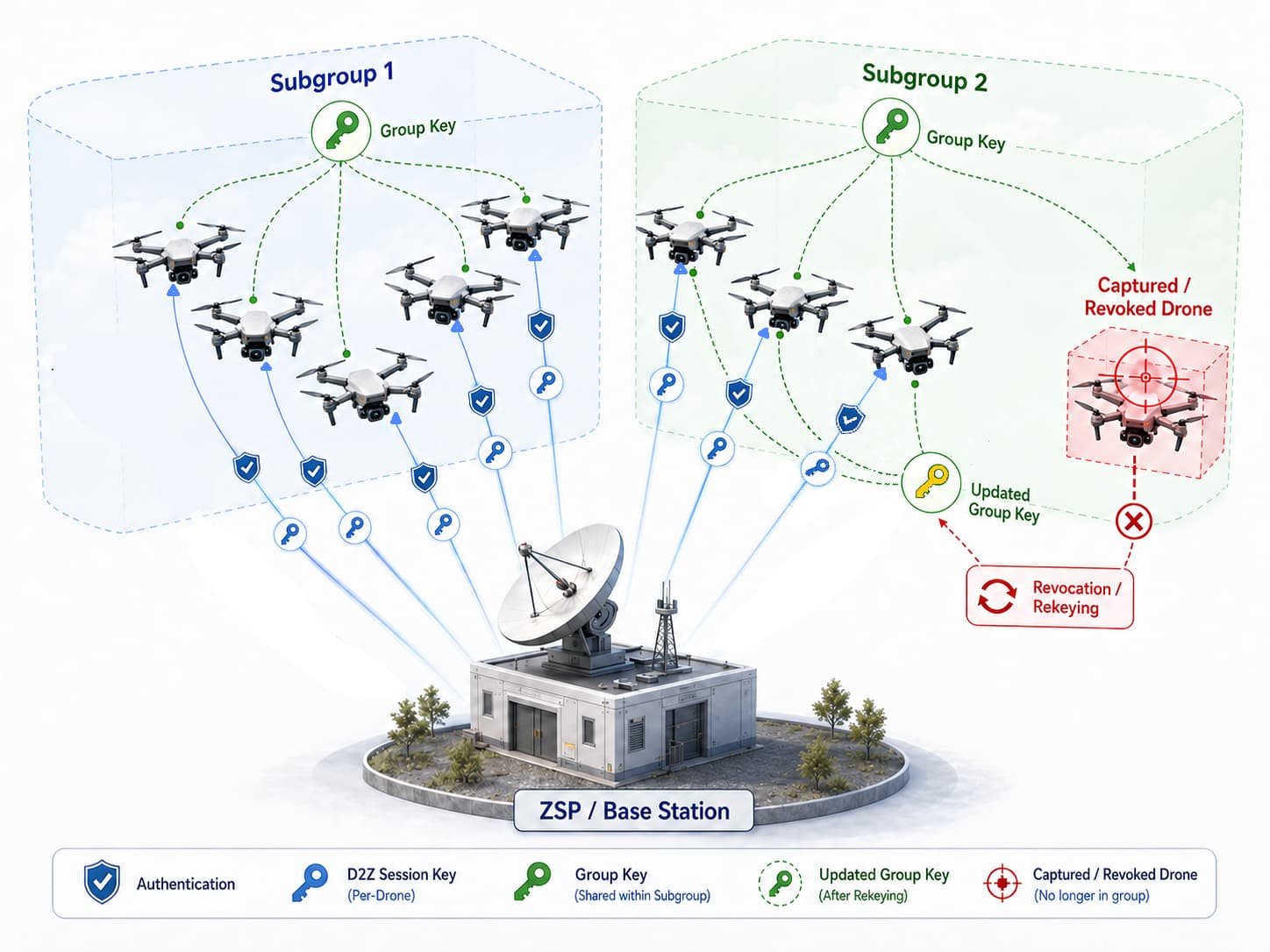
This cross-institutional collaboration project will integrate hybrid post-quantum cryptographic techniques, physical unclonable functions (PUF), group key management, and lightweight broadcast authentication mechanisms. By strengthening the 5G/6G identity authentication process, it reduces the computational and communication burdens on resource-constrained devices, while enhancing rapid recovery capabilities when nodes are attacked or experience failure. It will also validate technologies across 5G test networks, drone platforms, and formal security verification tools to ensure both theoretical security and practical feasibility.
The lightweight broadcast authentication and dynamic group key management system developed by the team features low latency, microwatt-level low energy consumption, and disconnection fault tolerance. It effectively supports high-efficiency collaborative operations of large-scale drone swarms under unstable wireless network environments, significantly enhancing the security resilience of national communications and critical infrastructure in harsh settings. Extending software cryptographic technology to hardware physical fingerprints, the research eliminates the extra cost of storing private keys on hardware, providing a high-value-added hardware security solution for Taiwan's drone supply chain.
2. Cross-Scale Integrated Research on Carbon Cycle in Tropical Lagoons under Climate Change: Application Combining 3D Hydrodynamic Modeling and Long-Term Observations
Associate Prof. Jia-Lin Chen from the NCKU Department of Hydraulic and Ocean Engineering and Prof. Wei-Jen Huang from the Department of Marine Sciences at Sun Yat-sen University integrated NCKU's expertise in hydrodynamic numerical simulation with Sun Yat-sen University's long-term ecological monitoring achievements to establish a high-resolution hydrodynamic–carbon cycle integrated model for Qigu Lagoon. The project analyzes the impacts of rainfall, freshwater input, tidal exchange, extreme weather events, and sea level rise on lagoon carbon dioxide flux and blue carbon benefits. By developing more accurate carbon flux estimation methods, it enhances the precision and reliability of coastal carbon cycle research, establishing a research paradigm.
The ocean is one of the world's largest active carbon sinks, playing a key role in regulating global climate and mitigating warming. Coastal lagoons serve as crucial blue carbon ecosystems connecting land and ocean. Influenced by factors such as climate change, lagoon carbon cycles and carbon dioxide exchange mechanisms have grown increasingly complex. Using Qigu Lagoon as the field site, the study applies long-term observations and numerical simulation techniques to deeply explore lagoon carbon cycles and blue carbon functions, establishing an important scientific foundation for coastal carbon sink assessment and management under climate change, thereby raising the resilience and sustainable management capabilities of Taiwan's coastal ecosystems.
The expected research outcomes will help establish a vital scientific database for Taiwan's tropical coastal lagoon carbon cycles and blue carbon functions. This will provide governmental agencies with decision-making references for coastal carbon sink management, blue carbon policy promotion, and net-zero emission strategies under climate change, while strengthening Taiwan's early warning and response capabilities to extreme weather impacts. Academically, the model can be applied to other coastal wetlands and lagoon ecosystems, promoting the development of marine science, environmental sustainability, and blue carbon research, boosting Taiwan's international competitiveness in global climate change and blue carbon fields.
3. Sustainability Committee, Carbon Reduction Performance, and Market Investor Perception: A Multinational Analysis
Distinguished Prof. Hua-Wei Huang from the NCKU Department of Accounting collaborated with Associate Prof. Zhi-Yuan Feng from the Department of Finance at Sun Yat-sen University. Utilizing large multinational databases and data from Taiwanese listed companies, they systematically analyze the impact of sustainability committees on corporate carbon reduction performance and cost of capital. Furthermore, they explore how committee members' professional backgrounds, independence, diversity, and operating mechanisms affect corporate sustainability governance efficiency. By incorporating comparative differences between Eastern and Western enterprises in sustainability governance and investor perspectives, the project seeks to establish empirical evidence tailored to Taiwan's industrial environment, providing essential reference literature for government policy-making on sustainable governance, corporate ESG management, and board operations.
Pursuing sustainable net-zero emissions has become a global trend in scientific research and development. For governments and enterprises alike, balancing carbon reduction goals while pursuing economic growth has become a pressing issue. Focusing on global corporate sustainability governance, the research explores how "Sustainability Committees" established under corporate boards enhance corporate carbon reduction efficiency, reinforce investor confidence, and maintain corporate sustainable competitiveness through professional governance mechanisms.
Expected research outcomes will echo the United Nations SDGs, including SDG 8 (Decent Work and Economic Growth), SDG 12 (Responsible Consumption and Production), and SDG 13 (Climate Action). This will promote sustainable corporate operation, healthy capital market development, and low-carbon economic transformation, assisting Taiwan in advancing toward net-zero emissions and sustainable development goals. Through management science research, it provides empirical foundations for government initiatives on corporate sustainability governance systems, sustainability committee establishment, ESG policy planning, and capital market supervision mechanisms.
The "Encouragement for Cross-Institutional Short-Term Collaborative Research Program," jointly promoted by the four universities in the Taiwan Comprehensive University System, has been operating for over 12 years. It has long supported joint research and academic exchanges among faculty. In the future, TCUS will continue to optimize inter-institutional collaboration models, integrate R&D resources, and focus on key technology development required for national and societal sustainable development, practicing university social responsibility through scientific research.
To promote academic exchanges among teaching and research personnel and deepen research capabilities, the Taiwan Comprehensive University System (TCUS) promoted the "Encouragement for Cross-Institutional Short-Term Collaborative Research Program." A total of 7 projects were approved for 2026, among which National Cheng Kung University (NCKU) received subsidies for 3 projects. The research topics are: 1. Quantum-Resilient 5G-AKA Protocol and Lightweight Drone Swarm Broadcast Authentication Study; 2. Cross-Scale Integrated Research on Carbon Cycle in Tropical Lagoons under Climate Change: Application Combining 3D Hydrodynamic Modeling and Long-Term Observations; and 3. Sustainability Committee, Carbon Reduction Performance, and Market Investor Perception: A Multinational Analysis.
Formed by National Cheng Kung University, Sun Yat-sen University, National Chung Hsing University, and National Chung Cheng University, the TCUS "Encouragement for Cross-Institutional Short-Term Collaborative Research Program" encourages teaching and research staff to focus on the United Nations Sustainable Development Goals (SDGs) and develop forward-looking, interdisciplinary research by subsidizing joint research expenses.
Brief introductions to NCKU's 3 research projects are as follows:
1. Quantum-Resilient 5G-AKA Protocol and Lightweight Drone Swarm Broadcast Authentication Study
Assistant Prof. Yun-Hsin Chuang from the Master Program of Executive Engineering Management in the College of Engineering at NCKU collaborated with the research team of Prof. Chun-I Fan from the Department of Computer Science and Engineering at Sun Yat-sen University regarding "Next-Generation Dynamic Edge Network Defense." Deeply integrating post-quantum cryptography, physical unclonable functions (PUF), and lightweight broadcast authentication, the project lays a critical foundation for communication security in Beyond 5G (B5G) and 6G networks, constructing a "post-quantum cybersecurity defense network" for drone swarms.
Wireless communication technology is accelerating its evolution toward the sixth generation of mobile communications (6G). Large-scale dynamic network deployments, including drone swarms, have become key infrastructure applications for the nation and industry. However, the encryption scheme (ECIES) in the current 5G-AKA identity authentication mechanism faces the risk of being rapidly cracked by quantum computing in the future. The vision of this collaborative research lies in bridging the technical gap between "post-quantum initial authentication" and "lightweight continuous broadcast authentication." Tightly aligned with "Industry, Innovation, and Infrastructure" (SDG 9), this project enhances Taiwan's independent R&D capabilities in forward-looking communication and key cybersecurity technologies.
This cross-institutional collaboration project will integrate hybrid post-quantum cryptographic techniques, physical unclonable functions (PUF), group key management, and lightweight broadcast authentication mechanisms. By strengthening the 5G/6G identity authentication process, it reduces the computational and communication burdens on resource-constrained devices, while enhancing rapid recovery capabilities when nodes are attacked or experience failure. It will also validate technologies across 5G test networks, drone platforms, and formal security verification tools to ensure both theoretical security and practical feasibility.
The lightweight broadcast authentication and dynamic group key management system developed by the team features low latency, microwatt-level low energy consumption, and disconnection fault tolerance. It effectively supports high-efficiency collaborative operations of large-scale drone swarms under unstable wireless network environments, significantly enhancing the security resilience of national communications and critical infrastructure in harsh settings. Extending software cryptographic technology to hardware physical fingerprints, the research eliminates the extra cost of storing private keys on hardware, providing a high-value-added hardware security solution for Taiwan's drone supply chain.
2. Cross-Scale Integrated Research on Carbon Cycle in Tropical Lagoons under Climate Change: Application Combining 3D Hydrodynamic Modeling and Long-Term Observations
Associate Prof. Jia-Lin Chen from the NCKU Department of Hydraulic and Ocean Engineering and Prof. Wei-Jen Huang from the Department of Marine Sciences at Sun Yat-sen University integrated NCKU's expertise in hydrodynamic numerical simulation with Sun Yat-sen University's long-term ecological monitoring achievements to establish a high-resolution hydrodynamic–carbon cycle integrated model for Qigu Lagoon. The project analyzes the impacts of rainfall, freshwater input, tidal exchange, extreme weather events, and sea level rise on lagoon carbon dioxide flux and blue carbon benefits. By developing more accurate carbon flux estimation methods, it enhances the precision and reliability of coastal carbon cycle research, establishing a research paradigm.
The ocean is one of the world's largest active carbon sinks, playing a key role in regulating global climate and mitigating warming. Coastal lagoons serve as crucial blue carbon ecosystems connecting land and ocean. Influenced by factors such as climate change, lagoon carbon cycles and carbon dioxide exchange mechanisms have grown increasingly complex. Using Qigu Lagoon as the field site, the study applies long-term observations and numerical simulation techniques to deeply explore lagoon carbon cycles and blue carbon functions, establishing an important scientific foundation for coastal carbon sink assessment and management under climate change, thereby raising the resilience and sustainable management capabilities of Taiwan's coastal ecosystems.
The expected research outcomes will help establish a vital scientific database for Taiwan's tropical coastal lagoon carbon cycles and blue carbon functions. This will provide governmental agencies with decision-making references for coastal carbon sink management, blue carbon policy promotion, and net-zero emission strategies under climate change, while strengthening Taiwan's early warning and response capabilities to extreme weather impacts. Academically, the model can be applied to other coastal wetlands and lagoon ecosystems, promoting the development of marine science, environmental sustainability, and blue carbon research, boosting Taiwan's international competitiveness in global climate change and blue carbon fields.
3. Sustainability Committee, Carbon Reduction Performance, and Market Investor Perception: A Multinational Analysis
Distinguished Prof. Hua-Wei Huang from the NCKU Department of Accounting collaborated with Associate Prof. Zhi-Yuan Feng from the Department of Finance at Sun Yat-sen University. Utilizing large multinational databases and data from Taiwanese listed companies, they systematically analyze the impact of sustainability committees on corporate carbon reduction performance and cost of capital. Furthermore, they explore how committee members' professional backgrounds, independence, diversity, and operating mechanisms affect corporate sustainability governance efficiency. By incorporating comparative differences between Eastern and Western enterprises in sustainability governance and investor perspectives, the project seeks to establish empirical evidence tailored to Taiwan's industrial environment, providing essential reference literature for government policy-making on sustainable governance, corporate ESG management, and board operations.
Pursuing sustainable net-zero emissions has become a global trend in scientific research and development. For governments and enterprises alike, balancing carbon reduction goals while pursuing economic growth has become a pressing issue. Focusing on global corporate sustainability governance, the research explores how "Sustainability Committees" established under corporate boards enhance corporate carbon reduction efficiency, reinforce investor confidence, and maintain corporate sustainable competitiveness through professional governance mechanisms.
Expected research outcomes will echo the United Nations SDGs, including SDG 8 (Decent Work and Economic Growth), SDG 12 (Responsible Consumption and Production), and SDG 13 (Climate Action). This will promote sustainable corporate operation, healthy capital market development, and low-carbon economic transformation, assisting Taiwan in advancing toward net-zero emissions and sustainable development goals. Through management science research, it provides empirical foundations for government initiatives on corporate sustainability governance systems, sustainability committee establishment, ESG policy planning, and capital market supervision mechanisms.
The "Encouragement for Cross-Institutional Short-Term Collaborative Research Program," jointly promoted by the four universities in the Taiwan Comprehensive University System, has been operating for over 12 years. It has long supported joint research and academic exchanges among faculty. In the future, TCUS will continue to optimize inter-institutional collaboration models, integrate R&D resources, and focus on key technology development required for national and societal sustainable development, practicing university social responsibility through scientific research.
The overall architecture of the quantum-resilient 5G-AKA lightweight drone swarm broadcast authentication proposed in this study. Photo source: Provided by Assistant Prof. Yun-Hsin Chuang.
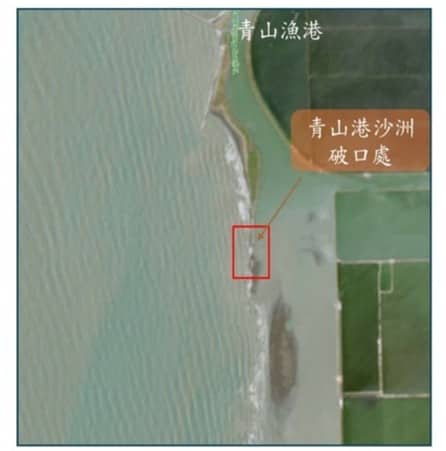
Sentinel-2 satellite image of the breach in the Qigu Lagoon sandbar following Typhoon Danas in 2025, showing significantly reduced topographic stability. This altered the connection pattern between the lagoon and open sea, increasing the potential risks of storm surge intrusion and rapid high-salinity water infiltration, affecting the balance of the lagoon carbonate system and sea-air carbon dioxide flux, creating uncertainties in carbon sinks. Photo source: Taken from this research project.
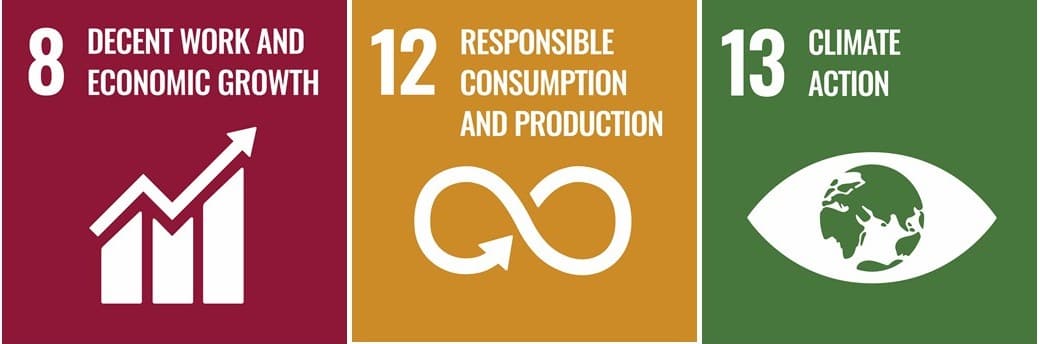
Aligned with the United Nations Sustainable Development Goals (SDGs), this study aims to assist Taiwan in advancing toward net-zero emissions and sustainable development goals. Photo source: Taken from the United Nations website.
SDG17The 2023 SATU Presidents' Forum held its Steering Committee Meeting in India on November 17th to 18th
View more
SDG17Mahidol University MU-EDP Delegation Visits NCKU to Strengthen Collaboration and Foster Innovative Exchange
View more