



SDG11
Deepening Engagement in Southern Taiwan: NCKU's "Collaborative Badlands" Wins IARSLCE Award
National Cheng Kung University’s "Collaborative Badlands" team, which has been deeply involved in the badland mountain villages of southern Taiwan for a long time, won the "Global Equity in Service-Learning and Community Engagement Award" awarded by the International Association for Research on Service-Learning and Community Engagement (IARSLCE) in 2026. The award recognizes the team's decade-long commitment to "equity, mutual benefit, and co-learning" as its core values. Through long-term collaboration, the initiative rethinks the relationship between the university and local communities, responding to critical challenges such as youth outflow in rural areas and regional development disparities.
IARSLCE is an important international professional organization in the field of service-learning and community engagement, dedicated to connecting global researchers, practitioners, and community partners to advance related research and practice. The "Global Equity in Service-Learning and Community Engagement Award" specifically honors research and practices promoting equity, justice, and inclusion across various global contexts. It emphasizes the experiences, knowledge, and local assets of long-neglected or under-resourced communities, while using reciprocal and participatory approaches to rethink power dynamics between universities and communities, thereby amplifying the roles and impact of community partners.
Originating in 2015 from the Humanistic Innovation and Social Practice Project of NCKU's Center for Humanities and Social Sciences, "Collaborative Badlands" expanded its scope through Ministry of Education USR resources. It brought together university and local collaborators—including faculty, students, project staff, and assistants from the College of Planning and Design, College of Liberal Arts, College of Bioscience and Biotechnology, and College of Electrical Engineering and Computer Science, alongside local partners such as the Zuojin Gongguan Community Development Association, Taiwan Dazuojin Inclusive Development Association, Neimen Jisheshi Studio, Longqi Hundred Bamboo Garden, and Tianliao Badland Farmers. Partnering with the international facilitation organization ICA Taiwan, it gradually built a cross-disciplinary, cross-regional, and intergenerational collaborative network.
Inspired by American educator Parker J. Palmer’s concept of "Great Things," the team does not view the badlands as a resource-deprived area waiting to be served by a university. Instead, it treats the unique landscape, living wisdom, cultural memory, and resident resilience of this land as "Great Things" for all collaborators to learn together. Rather than merely bringing professional expertise to the community, the university also learns from the locality, shifting from "serving the community" to "co-learning with the community".
Hsiu-Tzu Chang, principal investigator of the Collaborative Badlands USR Project and Associate Professor in the Department of Urban Planning at NCKU, stated that the greatest lesson from the past decade is that when entering a community, universities should not only ask what they can do for the local area. More importantly, they must understand what the community is already doing, what they know, and what can be learned together. For the team, equity is not just about inviting the community to university-designed activities, but jointly building a stage where local assets, knowledge, and actors can truly be seen.
This award is not only an international validation of the decade-long dedication of Collaborative Badlands, but also a shared recognition for all participating faculty, students, staff, community organizations, and domestic and international partners across industry, government, and academia. Evolving from a community of practice into a cross-regional "Learning Region," Collaborative Badlands continues to explore how universities can move from service-learning toward local co-learning, allowing Taiwan's experience in long-term university-rural collaboration to contribute to global academic and practical dialogues on service-learning and community engagement.
IARSLCE is an important international professional organization in the field of service-learning and community engagement, dedicated to connecting global researchers, practitioners, and community partners to advance related research and practice. The "Global Equity in Service-Learning and Community Engagement Award" specifically honors research and practices promoting equity, justice, and inclusion across various global contexts. It emphasizes the experiences, knowledge, and local assets of long-neglected or under-resourced communities, while using reciprocal and participatory approaches to rethink power dynamics between universities and communities, thereby amplifying the roles and impact of community partners.
Originating in 2015 from the Humanistic Innovation and Social Practice Project of NCKU's Center for Humanities and Social Sciences, "Collaborative Badlands" expanded its scope through Ministry of Education USR resources. It brought together university and local collaborators—including faculty, students, project staff, and assistants from the College of Planning and Design, College of Liberal Arts, College of Bioscience and Biotechnology, and College of Electrical Engineering and Computer Science, alongside local partners such as the Zuojin Gongguan Community Development Association, Taiwan Dazuojin Inclusive Development Association, Neimen Jisheshi Studio, Longqi Hundred Bamboo Garden, and Tianliao Badland Farmers. Partnering with the international facilitation organization ICA Taiwan, it gradually built a cross-disciplinary, cross-regional, and intergenerational collaborative network.
Inspired by American educator Parker J. Palmer’s concept of "Great Things," the team does not view the badlands as a resource-deprived area waiting to be served by a university. Instead, it treats the unique landscape, living wisdom, cultural memory, and resident resilience of this land as "Great Things" for all collaborators to learn together. Rather than merely bringing professional expertise to the community, the university also learns from the locality, shifting from "serving the community" to "co-learning with the community".
Hsiu-Tzu Chang, principal investigator of the Collaborative Badlands USR Project and Associate Professor in the Department of Urban Planning at NCKU, stated that the greatest lesson from the past decade is that when entering a community, universities should not only ask what they can do for the local area. More importantly, they must understand what the community is already doing, what they know, and what can be learned together. For the team, equity is not just about inviting the community to university-designed activities, but jointly building a stage where local assets, knowledge, and actors can truly be seen.
This award is not only an international validation of the decade-long dedication of Collaborative Badlands, but also a shared recognition for all participating faculty, students, staff, community organizations, and domestic and international partners across industry, government, and academia. Evolving from a community of practice into a cross-regional "Learning Region," Collaborative Badlands continues to explore how universities can move from service-learning toward local co-learning, allowing Taiwan's experience in long-term university-rural collaboration to contribute to global academic and practical dialogues on service-learning and community engagement.

Promoting equal dialogue and innovative practices on diverse topics in the badlands through workshops. / Photo by Nian Li-Yuan
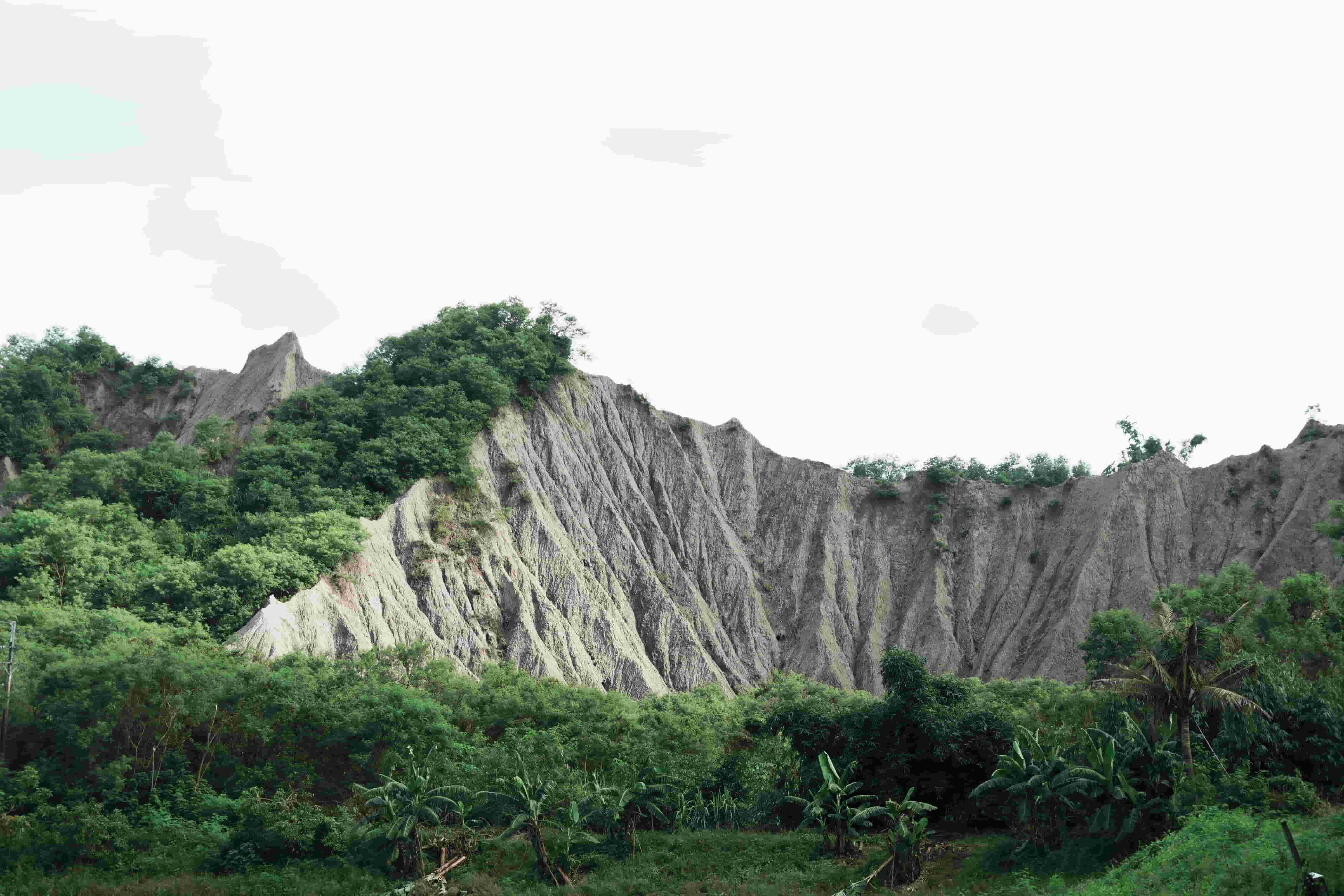
The natural ecology, local industries, and culture of the badlands have become the "Great Things" for mutual learning between the university and the community. / Photo by Tseng Szu-Chien
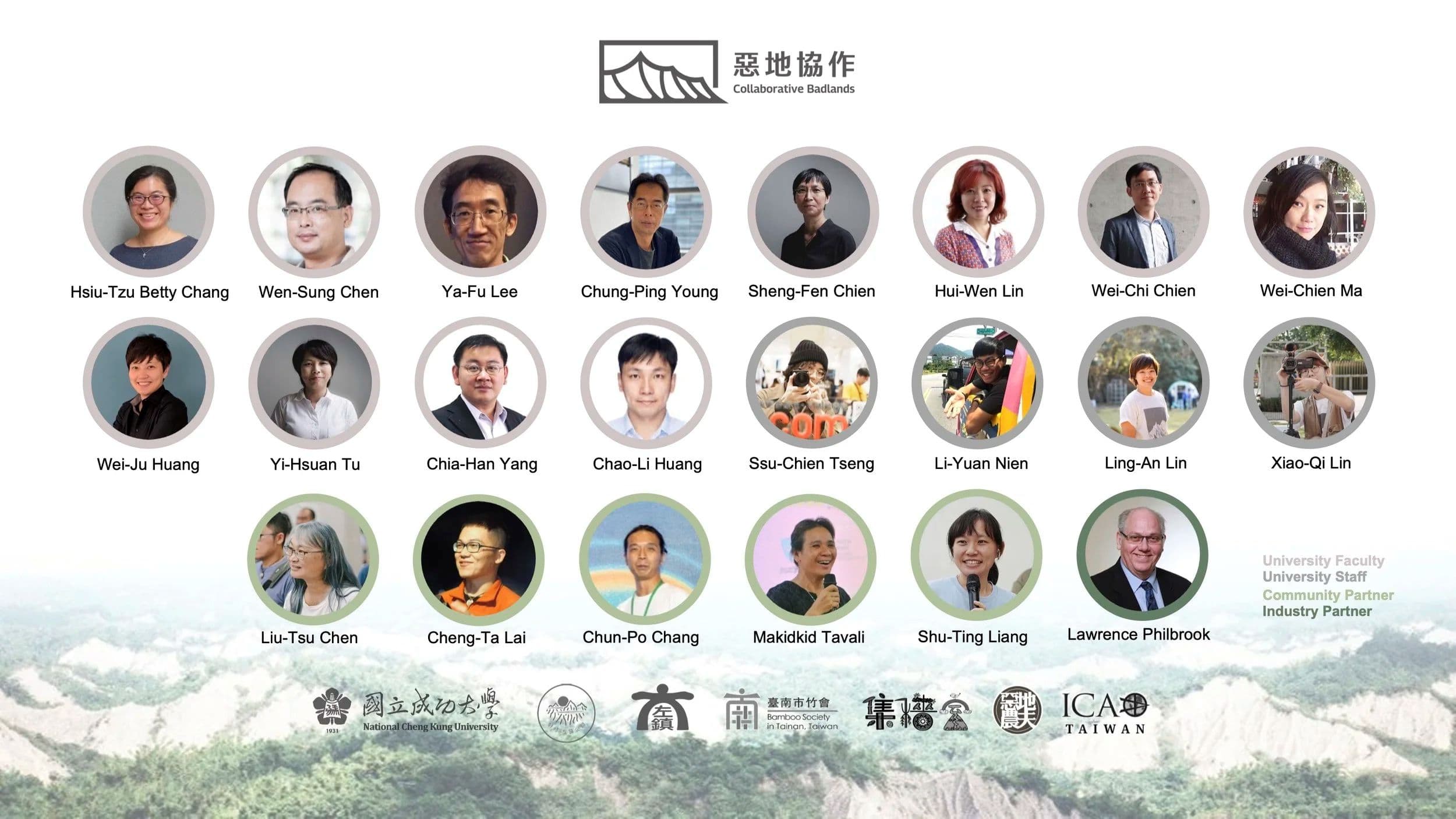
Collaborative Badlands: Building a collaborative network connecting universities, communities, and international partners.
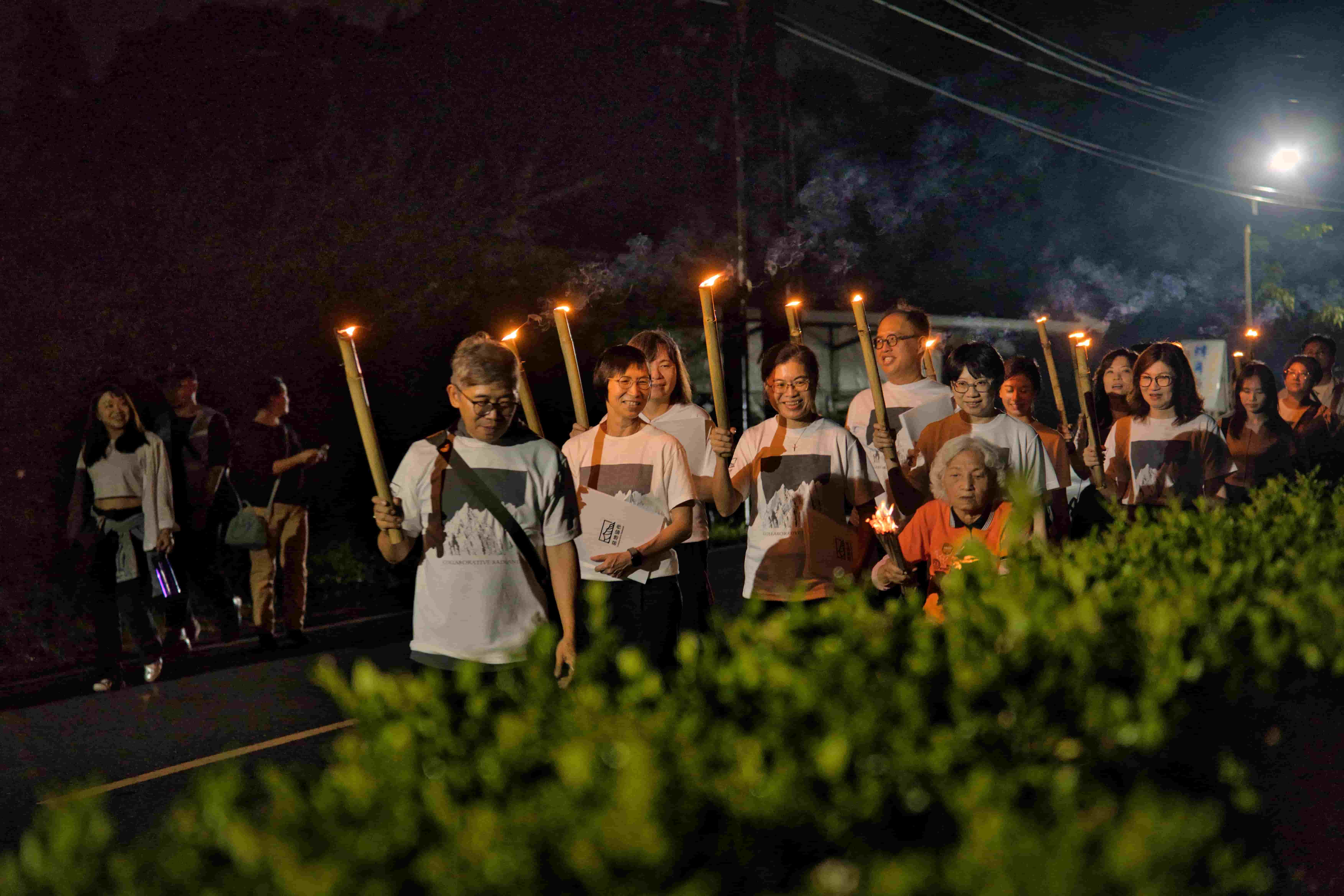
The elders' torchlit path became a Taiwan Cultural Route through co-creation between the university and the community. / Photo by Lai Zheng-Da
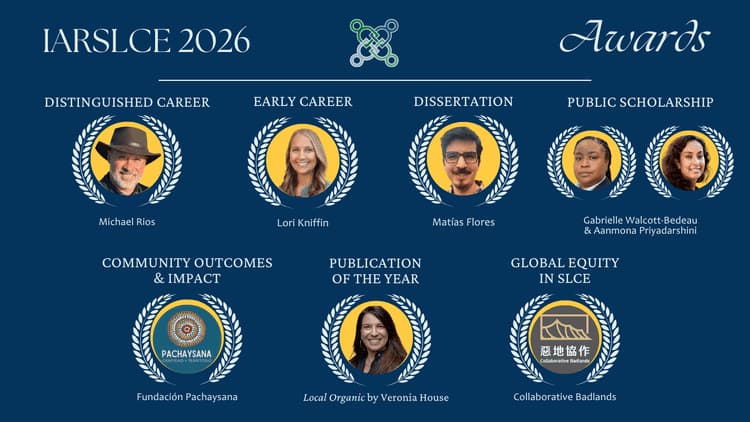
NCKU’s "Collaborative Badlands" project has been deeply engaged in Southern Taiwan's mountain villages for 10 years, winning the IARSLCE Global Equity in Service-Learning and Community Engagement Award in 2026.
SDG11Finding the Healthiest Route Home: NCKU Team Wins Recognition for Intelligent Air Pollution Navigation System
View more
SDG11NCKU Library Collaborates with NCL to Launch “Shared Sky” Chinese Classics Exhibition
View more