



SDG4
NCKU Museum Exhibition Showcases the Cultivation of Chemical Engineering Talent and Contributions to Society and the Nation
The “Engineering Education History Exhibition VIII: Harnessing Nature, Creating from Nothing (工程教育史展VIII:化天之工・無中生有)”, organized by the National Cheng Kung University (NCKU) Museum, officially opened at 2:00 p.m. on December 16 in the first-floor lobby of the Department of Chemical Engineering building on Tzu-Chiang Campus. The exhibition presents nearly a century of historical development and research achievements of NCKU’s Department of Chemical Engineering, tracing its origins back to the Applied Chemistry Division of Tainan Higher Technical School during the Japanese colonial period.
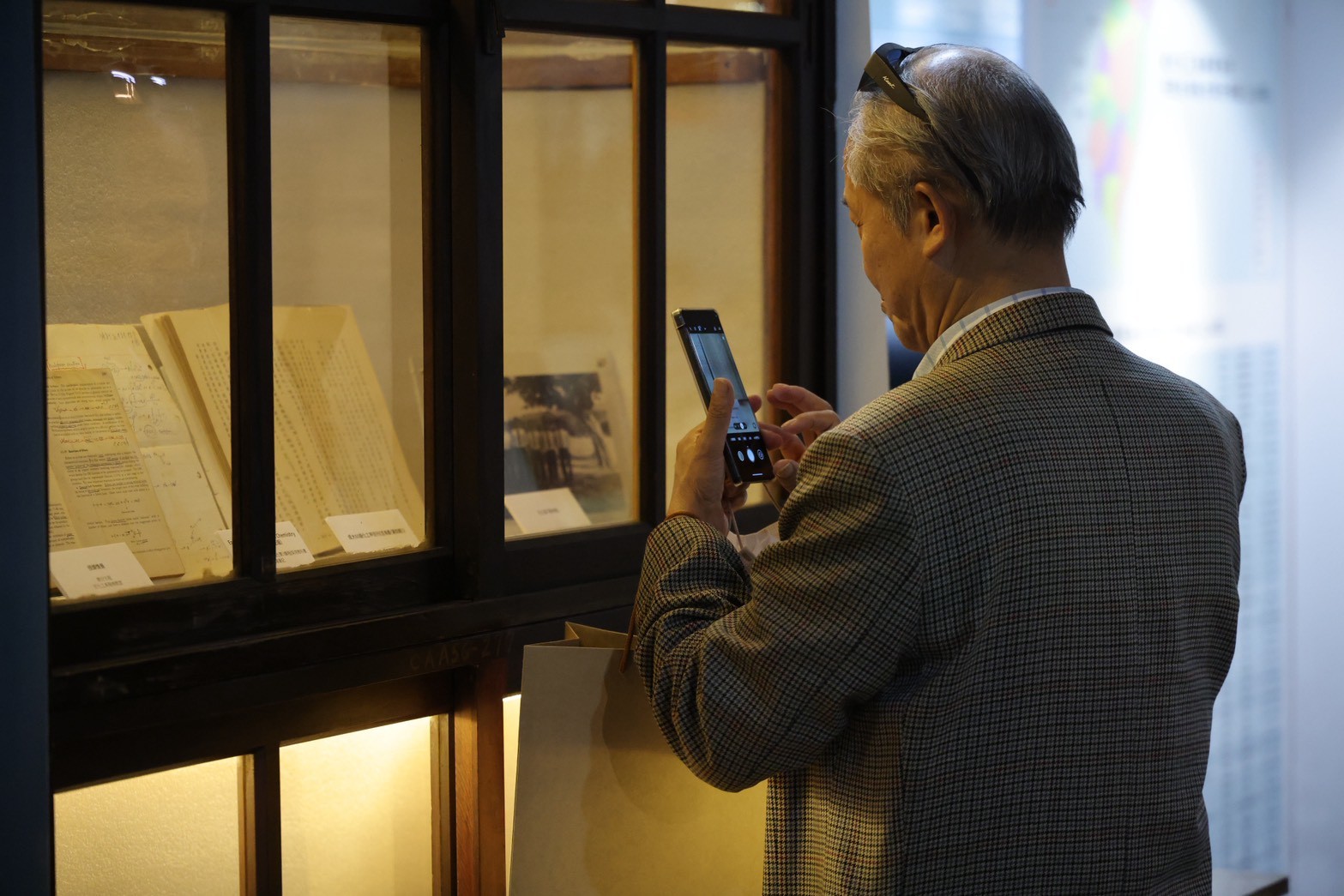
In addition to documenting the department’s academic evolution, the exhibition also introduces the development of the chemical industry through a science-popularization approach, outlines the progression of chemical engineering industries, and displays a wide array of valuable materials. These include publications and reference books by professors and alumni, historical photographs, diplomas, and important documents and instruments once used in teaching, such as distillation columns and high-pressure reactors.
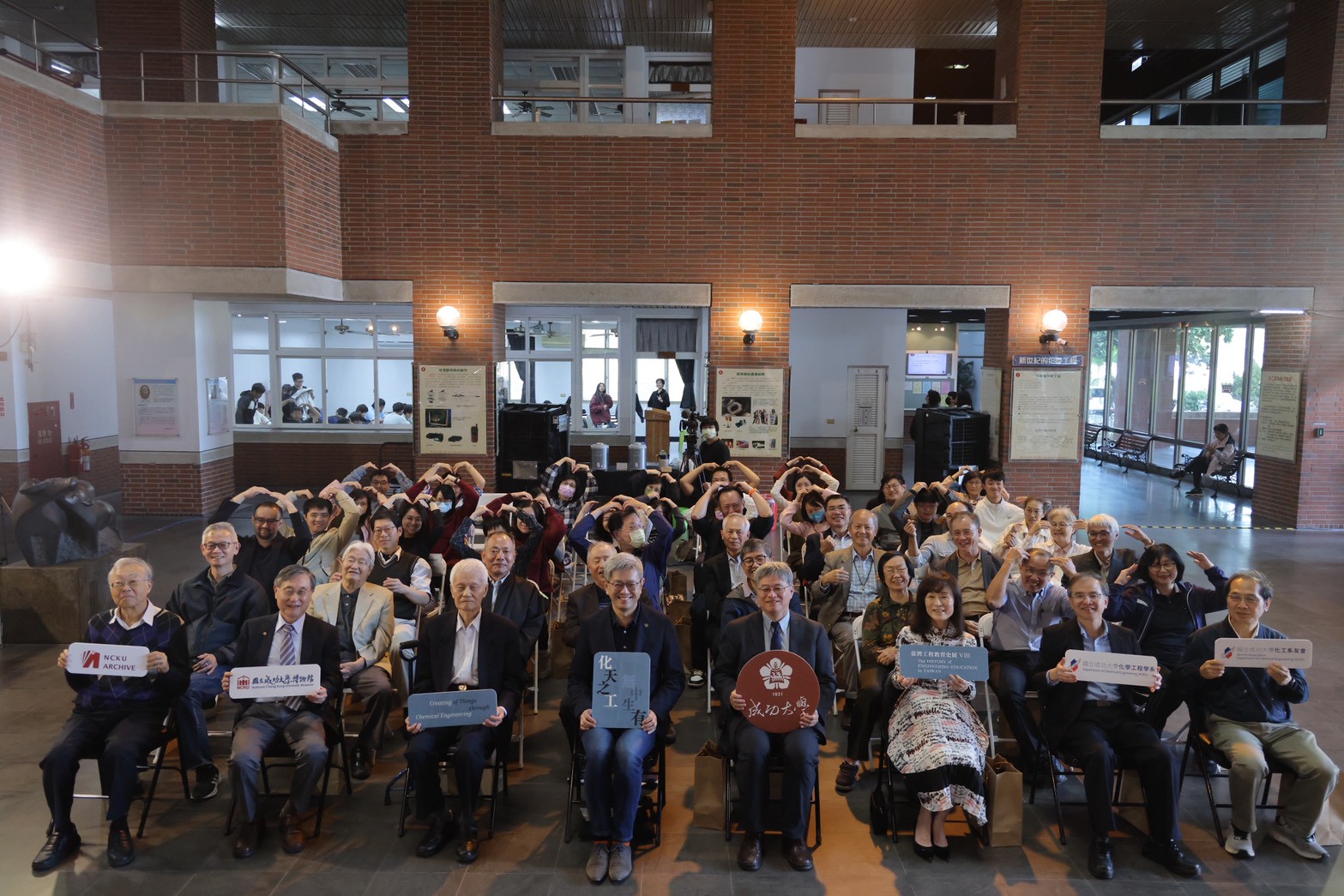
The opening ceremony was presided over by Professor Ping-Sheng Wu (吳秉聲), Assistant Vice President of NCKU and concurrently Director of the NCKU Museum. Vice President Yong-Chun Lee (李永春) delivered remarks on behalf of the university president. Distinguished guests in attendance included former President Hung-Shan Weng (翁鴻山), former President Huey-Jen Su (蘇慧貞), Chair of the Department of Chemical Engineering Tung-Huang Chen (陳東煌), Plant Director Mei-Juan Hsu (許梅娟), Professors Yu-Min Yang (楊毓民) and Ming-Chang Yang (楊明長), members of the museum curatorial team, scholars and experts who previously participated in the Engineering Education History Exhibition Project, as well as representatives from on-campus administrative units that provided support for the exhibition.
In his remarks, Vice President Yong-Chun Lee introduced the origins of the Engineering Education History Exhibition series and emphasized its significance in highlighting the close relationship between NCKU’s engineering education, Taiwan’s higher education system, and industrial development. He affirmed the curatorial team’s efforts in reconstructing institutional history and popularizing engineering knowledge, and expressed gratitude to both on-campus and off-campus units for their support in realizing the exhibition.
Professor Ping-Sheng Wu noted that the Engineering Education History Exhibition carries multifaceted significance, encompassing university history, industrial and economic history, educational history, and the museum’s role in social education. He further emphasized that, as NCKU represents the starting point of Taiwan’s higher engineering education, hosting such an exhibition is of landmark importance. Through this exhibition, he expressed hope that visitors would see how NCKU-trained professionals shoulder responsibilities that include providing specialized expertise, engaging in interdisciplinary collaboration, enhancing public well-being, and connecting local development with global and contemporary trends.
Subsequently, Chair Tung-Huang Chen delivered remarks on behalf of the Department of Chemical Engineering, reflecting on the department’s collaboration with the museum since 2007 and the origins of the departmental history gallery. He noted that holding this exhibition in the Department of Chemical Engineering during the museum’s renovation period adds symbolic completeness to the endeavor. He also introduced the exhibition’s content, which spans from chemical engineering’s contributions to Taiwan’s industrial development to future trends such as sustainability, green chemical engineering, and smart manufacturing, incorporating valuable materials and insights provided by retired faculty members and alumni.
The project initiator, former President Hung-Shan Weng, then introduced the Engineering Education History Exhibition Project and the publication process of the Engineering Education History Series, expressing sincere appreciation for the support and sponsorship from both internal and external resources throughout the project’s development. Following the opening ceremony, Associate Research Fellow Yu-Hua Tsai (蔡侑樺) of the NCKU Museum led guests on a guided tour of the exhibition.
In traditional engineering fields, engineers apply knowledge of physics, mathematics, and engineering principles to solve technical problems. Chemical engineers, however, uniquely integrate chemical knowledge with hands-on experimental expertise, enabling them to transform raw materials and chemical substances into more useful and valuable products through ingenious processes, while continuously improving production methods to meet rapidly evolving societal needs. Modern chemical engineering now extends into emerging fields and industries such as optoelectronics and semiconductors, biotechnology, energy, and environmental protection, further contributing to human well-being. Since its establishment nearly a century ago, NCKU’s Department of Chemical Engineering has cultivated generations of professionals who have made enduring and significant contributions to national development.
The “Engineering Education History Exhibition VIII: Harnessing Nature, Creating from Nothing” is currently on display at the B1 level of the Department of Chemical Engineering building on Tzu-Chiang Campus. The exhibition is open Monday through Friday from 10:00 a.m. to 4:00 p.m., and will run until March 27, 2026. Members of the public with an interest in related topics are warmly invited to visit.
In addition to documenting the department’s academic evolution, the exhibition also introduces the development of the chemical industry through a science-popularization approach, outlines the progression of chemical engineering industries, and displays a wide array of valuable materials. These include publications and reference books by professors and alumni, historical photographs, diplomas, and important documents and instruments once used in teaching, such as distillation columns and high-pressure reactors.
The opening ceremony was presided over by Professor Ping-Sheng Wu (吳秉聲), Assistant Vice President of NCKU and concurrently Director of the NCKU Museum. Vice President Yong-Chun Lee (李永春) delivered remarks on behalf of the university president. Distinguished guests in attendance included former President Hung-Shan Weng (翁鴻山), former President Huey-Jen Su (蘇慧貞), Chair of the Department of Chemical Engineering Tung-Huang Chen (陳東煌), Plant Director Mei-Juan Hsu (許梅娟), Professors Yu-Min Yang (楊毓民) and Ming-Chang Yang (楊明長), members of the museum curatorial team, scholars and experts who previously participated in the Engineering Education History Exhibition Project, as well as representatives from on-campus administrative units that provided support for the exhibition.
In his remarks, Vice President Yong-Chun Lee introduced the origins of the Engineering Education History Exhibition series and emphasized its significance in highlighting the close relationship between NCKU’s engineering education, Taiwan’s higher education system, and industrial development. He affirmed the curatorial team’s efforts in reconstructing institutional history and popularizing engineering knowledge, and expressed gratitude to both on-campus and off-campus units for their support in realizing the exhibition.
Professor Ping-Sheng Wu noted that the Engineering Education History Exhibition carries multifaceted significance, encompassing university history, industrial and economic history, educational history, and the museum’s role in social education. He further emphasized that, as NCKU represents the starting point of Taiwan’s higher engineering education, hosting such an exhibition is of landmark importance. Through this exhibition, he expressed hope that visitors would see how NCKU-trained professionals shoulder responsibilities that include providing specialized expertise, engaging in interdisciplinary collaboration, enhancing public well-being, and connecting local development with global and contemporary trends.
Subsequently, Chair Tung-Huang Chen delivered remarks on behalf of the Department of Chemical Engineering, reflecting on the department’s collaboration with the museum since 2007 and the origins of the departmental history gallery. He noted that holding this exhibition in the Department of Chemical Engineering during the museum’s renovation period adds symbolic completeness to the endeavor. He also introduced the exhibition’s content, which spans from chemical engineering’s contributions to Taiwan’s industrial development to future trends such as sustainability, green chemical engineering, and smart manufacturing, incorporating valuable materials and insights provided by retired faculty members and alumni.
The project initiator, former President Hung-Shan Weng, then introduced the Engineering Education History Exhibition Project and the publication process of the Engineering Education History Series, expressing sincere appreciation for the support and sponsorship from both internal and external resources throughout the project’s development. Following the opening ceremony, Associate Research Fellow Yu-Hua Tsai (蔡侑樺) of the NCKU Museum led guests on a guided tour of the exhibition.
In traditional engineering fields, engineers apply knowledge of physics, mathematics, and engineering principles to solve technical problems. Chemical engineers, however, uniquely integrate chemical knowledge with hands-on experimental expertise, enabling them to transform raw materials and chemical substances into more useful and valuable products through ingenious processes, while continuously improving production methods to meet rapidly evolving societal needs. Modern chemical engineering now extends into emerging fields and industries such as optoelectronics and semiconductors, biotechnology, energy, and environmental protection, further contributing to human well-being. Since its establishment nearly a century ago, NCKU’s Department of Chemical Engineering has cultivated generations of professionals who have made enduring and significant contributions to national development.
The “Engineering Education History Exhibition VIII: Harnessing Nature, Creating from Nothing” is currently on display at the B1 level of the Department of Chemical Engineering building on Tzu-Chiang Campus. The exhibition is open Monday through Friday from 10:00 a.m. to 4:00 p.m., and will run until March 27, 2026. Members of the public with an interest in related topics are warmly invited to visit.
Audience photographing the exhibited artifacts

Associate Research Fellow Yu-Hua Tsai of the NCKU Museum (right) guiding the guests
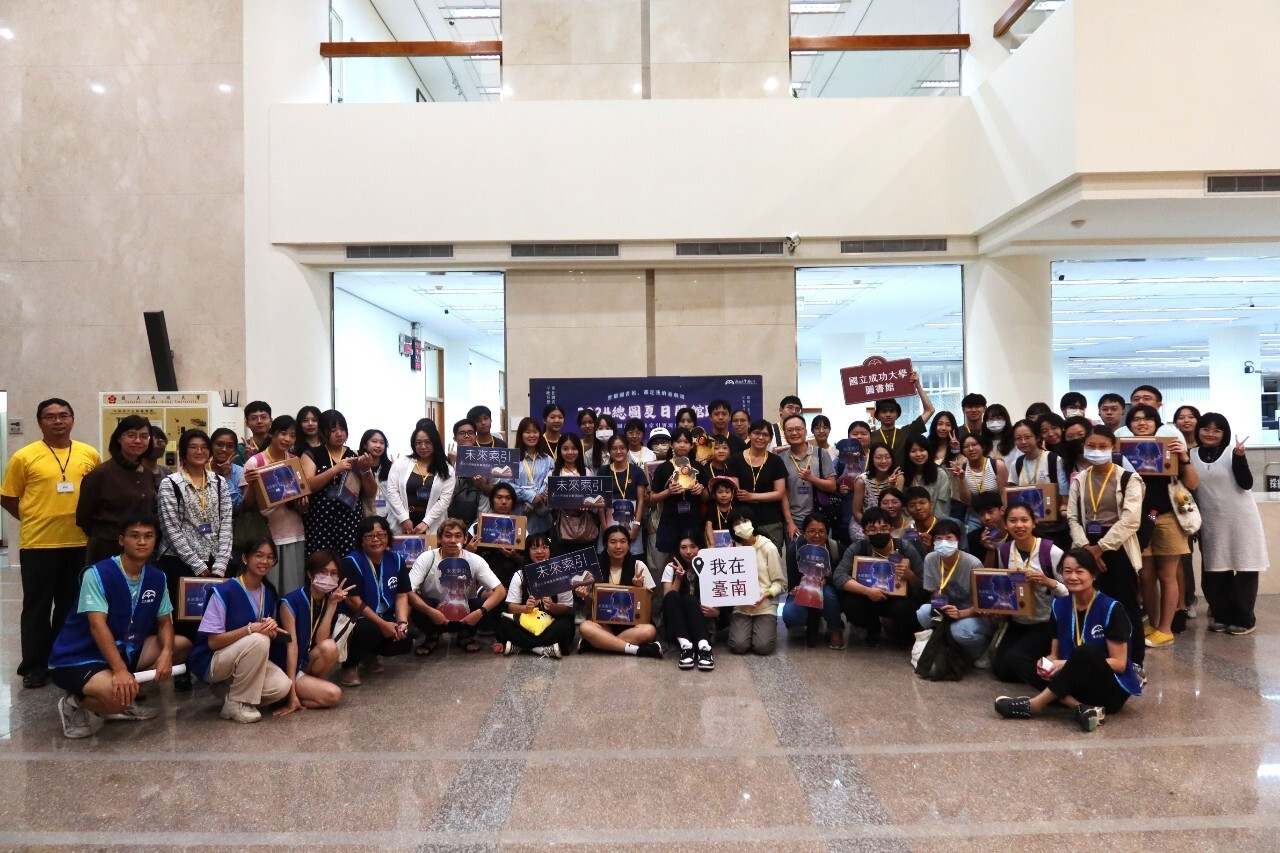
Group photo of attendees at the opening ceremony

SDG4NCKU’s LDT School Project Interacts with the Public off Campus With Achievements
NCKU’s LDT School Project Interacts with the Public off Campus With Achievements
View more
SDG4NCKU Teacher Education Center Conducts U.S. Teaching Practicum — 8 Student Teachers Gain Multicultural Experience
View more