



SDG17
NCKU and Institute of Science Tokyo Jointly Build a Taiwan–Japan Industry–Academia Innovation Ecosystem

A delegation from the Institute of Science Tokyo (Science Tokyo) visited Taiwan from March 9 to March 11 (2026), engaging in a three-day program of meetings, exchanges, and corporate visits. The delegation visited National Cheng Kung University (NCKU) on March 9 and 10 for bilateral discussions. The two institutions focused on forward-looking fields including semiconductors, AI medical imaging, and robotics in medicine, while also exploring future industry–academia collaboration and cross-border innovation research. The delegation was led by Vice President Yoichi Oshima, who also serves as Executive Director of Industry–Academia–Government Collaboration and Director of the Organization for Innovation Creation. Accompanying members included Prof. Shusaku Yamada, Director of the Innovation Promotion Office at the Medical Innovation Center; Prof. Toru Inoue, Deputy Director of the Organization for Innovation Creation; and Ms. Asako Baba, Manager of Creativity and Research at the same organization.
At the morning meeting on March 9, NCKU Vice President Yong-Chun Lee delivered opening remarks, expressing NCKU’s hope to further strengthen a close research partnership with Science Tokyo through this exchange. The program, organized by NCKU’s Office of International Affairs, included representatives from corporate research centers and arranged on-site company visits and meetings to share how industry–academia collaboration can enhance R&D capabilities and supply chain integration. Vice President Lee noted that NCKU President Meng-Ru Shen personally led a delegation to visit Science Tokyo in September 2025, initiating deeper dialogue between the two institutions. He expressed hope that this exchange would inspire innovative thinking and mark the beginning of a new chapter in international academic and industrial collaboration.
Vice President Oshima also expressed strong expectations for deepened cooperation, highlighting the high degree of alignment between the two universities in addressing global challenges and research transformation. He emphasized two key areas of collaboration: first, advanced interdisciplinary research as a cornerstone for cultivating next-generation researchers; and second, the internationalization of industry–academia collaboration. He stressed that innovation ecosystems should not be confined within national boundaries, and that cross-border academic and industrial networks are essential to overcoming R&D bottlenecks. He also shared that Science Tokyo has recently been selected for Japan’s International Research Excellence Program, and expressed his hope to establish faster and more substantive collaboration with NCKU to jointly build an innovation environment with social impact.
During the session, Director Liang-Ming Huang of NCKU’s Industry–Academia Innovation Headquarters presented an overview of the university’s industry collaboration model and joint research center operations. The headquarters serves as a central hub connecting project management, patent transfer, and industry relations. He emphasized that NCKU has achieved outstanding performance in industry–academia collaboration and has established strategic partnerships with global leaders such as Taiwan Semiconductor Manufacturing Company (TSMC). The university has demonstrated strong international influence through both institutional transformation and tangible R&D outcomes.
The meeting also featured presentations by Prof. Kwang-Lung Lin, Honorary Chair Professor and Director of the ASE–NCKU Joint Research Center, and Prof. Tsung-Chu Liang, Distinguished Professor and Director of the Delta–NCKU Joint Research Center. NCKU and ASE have maintained over a decade of collaboration since signing a memorandum of understanding in 2012. In January 2024, the partnership was formally upgraded with the establishment of the ASE–NCKU Joint Research Center, led by Prof. Lin, with annual funding from ASE supporting advanced research across materials science, electrical engineering, and advanced packaging technologies. NCKU’s partnership with Delta Electronics spans more than 20 years, representing a long-standing strategic alliance. The Delta–NCKU Joint Research Center, led by Prof. Liang, operates under an industry-driven research model and focuses on two core areas: green power and smart automation.
In the afternoon session, Vice President Shih-Wei Chang delivered remarks welcoming the delegation and conveying President Shen’s strong support for the partnership. He noted that the collaboration aims to establish a strategically driven model with tangible impact, integrating strengths in semiconductors, smart healthcare, and industry linkages. By aligning resources from both universities, the goal is to translate R&D investments into concrete industrial impact. He further expressed hope that the meeting would ensure precise alignment with industry needs, address specific technical challenges, and build an internationally competitive cross-border research network.
The afternoon session also featured a presentation by Prof. Yung-Ho Wang, Distinguished Professor and Director of the TSMC–NCKU Joint Research Center, who shared experiences in collaboration with TSMC. Since 2014, NCKU and TSMC have established a win-win model of “industry poses problems, academia provides solutions” through the joint research center. The center, led by Prof. Wang, integrates interdisciplinary research across more than 16 departments at NCKU, focusing on next-generation nanoelectronics and advanced manufacturing technologies.
Subsequent presentations included Prof. Yen-Kun Su, Honorary Dean of the College of Semiconductor and Sustainable Manufacturing, who discussed silicon photonics research, and Dr. Cheng-Li Lin from NCKU Hospital’s Department of Orthopedics, who presented on AI medical imaging and robotics in medicine.
On March 10, the delegation visited NCKU Hospital under the guidance of Dean Shiu-Chi Cheng of the College of Medicine, touring advanced anatomical facilities and operating rooms. Both universities expressed interest in strengthening interdisciplinary collaboration in optoelectronic semiconductors and AI robotics in medicine, aiming to leverage shared resources and technologies to drive the next generation of technological innovation and contribute to global healthcare and semiconductor industries.
As two major hubs of global innovation, NCKU and Science Tokyo structured this exchange and visit program through NCKU’s Office of International Affairs, with the goal of bridging advanced research with industrial implementation. The Office of International Affairs and the Industry–Academia Innovation Headquarters arranged meetings with representatives from Delta Electronics and organized corporate visits to leading Taiwanese companies such as ASE, guided by Prof. Lin, and Macronix, guided by Vice Superintendent Peng-Chan Lin of NCKU Hospital. These visits aimed to facilitate tangible technology transfer and supply chain linkages. Through this in-depth exchange, both institutions will continue to center their collaboration on partnership, strengthening Taiwan–Japan industry cooperation and positioning their combined research capabilities as a powerful engine for global technological innovation.
At the morning meeting on March 9, NCKU Vice President Yong-Chun Lee delivered opening remarks, expressing NCKU’s hope to further strengthen a close research partnership with Science Tokyo through this exchange. The program, organized by NCKU’s Office of International Affairs, included representatives from corporate research centers and arranged on-site company visits and meetings to share how industry–academia collaboration can enhance R&D capabilities and supply chain integration. Vice President Lee noted that NCKU President Meng-Ru Shen personally led a delegation to visit Science Tokyo in September 2025, initiating deeper dialogue between the two institutions. He expressed hope that this exchange would inspire innovative thinking and mark the beginning of a new chapter in international academic and industrial collaboration.
Vice President Oshima also expressed strong expectations for deepened cooperation, highlighting the high degree of alignment between the two universities in addressing global challenges and research transformation. He emphasized two key areas of collaboration: first, advanced interdisciplinary research as a cornerstone for cultivating next-generation researchers; and second, the internationalization of industry–academia collaboration. He stressed that innovation ecosystems should not be confined within national boundaries, and that cross-border academic and industrial networks are essential to overcoming R&D bottlenecks. He also shared that Science Tokyo has recently been selected for Japan’s International Research Excellence Program, and expressed his hope to establish faster and more substantive collaboration with NCKU to jointly build an innovation environment with social impact.
During the session, Director Liang-Ming Huang of NCKU’s Industry–Academia Innovation Headquarters presented an overview of the university’s industry collaboration model and joint research center operations. The headquarters serves as a central hub connecting project management, patent transfer, and industry relations. He emphasized that NCKU has achieved outstanding performance in industry–academia collaboration and has established strategic partnerships with global leaders such as Taiwan Semiconductor Manufacturing Company (TSMC). The university has demonstrated strong international influence through both institutional transformation and tangible R&D outcomes.
The meeting also featured presentations by Prof. Kwang-Lung Lin, Honorary Chair Professor and Director of the ASE–NCKU Joint Research Center, and Prof. Tsung-Chu Liang, Distinguished Professor and Director of the Delta–NCKU Joint Research Center. NCKU and ASE have maintained over a decade of collaboration since signing a memorandum of understanding in 2012. In January 2024, the partnership was formally upgraded with the establishment of the ASE–NCKU Joint Research Center, led by Prof. Lin, with annual funding from ASE supporting advanced research across materials science, electrical engineering, and advanced packaging technologies. NCKU’s partnership with Delta Electronics spans more than 20 years, representing a long-standing strategic alliance. The Delta–NCKU Joint Research Center, led by Prof. Liang, operates under an industry-driven research model and focuses on two core areas: green power and smart automation.
In the afternoon session, Vice President Shih-Wei Chang delivered remarks welcoming the delegation and conveying President Shen’s strong support for the partnership. He noted that the collaboration aims to establish a strategically driven model with tangible impact, integrating strengths in semiconductors, smart healthcare, and industry linkages. By aligning resources from both universities, the goal is to translate R&D investments into concrete industrial impact. He further expressed hope that the meeting would ensure precise alignment with industry needs, address specific technical challenges, and build an internationally competitive cross-border research network.
The afternoon session also featured a presentation by Prof. Yung-Ho Wang, Distinguished Professor and Director of the TSMC–NCKU Joint Research Center, who shared experiences in collaboration with TSMC. Since 2014, NCKU and TSMC have established a win-win model of “industry poses problems, academia provides solutions” through the joint research center. The center, led by Prof. Wang, integrates interdisciplinary research across more than 16 departments at NCKU, focusing on next-generation nanoelectronics and advanced manufacturing technologies.
Subsequent presentations included Prof. Yen-Kun Su, Honorary Dean of the College of Semiconductor and Sustainable Manufacturing, who discussed silicon photonics research, and Dr. Cheng-Li Lin from NCKU Hospital’s Department of Orthopedics, who presented on AI medical imaging and robotics in medicine.
On March 10, the delegation visited NCKU Hospital under the guidance of Dean Shiu-Chi Cheng of the College of Medicine, touring advanced anatomical facilities and operating rooms. Both universities expressed interest in strengthening interdisciplinary collaboration in optoelectronic semiconductors and AI robotics in medicine, aiming to leverage shared resources and technologies to drive the next generation of technological innovation and contribute to global healthcare and semiconductor industries.
As two major hubs of global innovation, NCKU and Science Tokyo structured this exchange and visit program through NCKU’s Office of International Affairs, with the goal of bridging advanced research with industrial implementation. The Office of International Affairs and the Industry–Academia Innovation Headquarters arranged meetings with representatives from Delta Electronics and organized corporate visits to leading Taiwanese companies such as ASE, guided by Prof. Lin, and Macronix, guided by Vice Superintendent Peng-Chan Lin of NCKU Hospital. These visits aimed to facilitate tangible technology transfer and supply chain linkages. Through this in-depth exchange, both institutions will continue to center their collaboration on partnership, strengthening Taiwan–Japan industry cooperation and positioning their combined research capabilities as a powerful engine for global technological innovation.
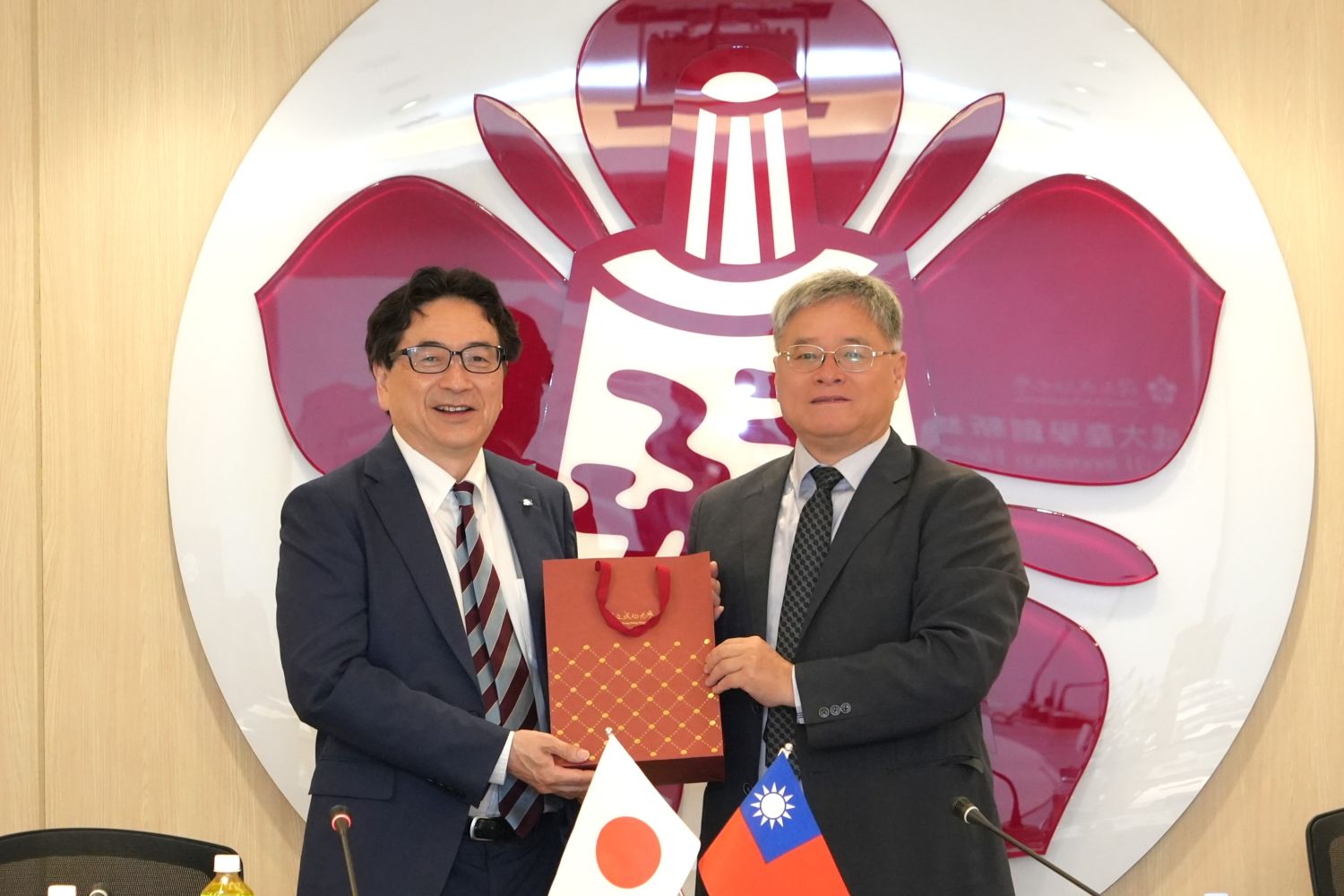
A delegation from the Institute of Science Tokyo visited NCKU, where the two sides held an exchange meeting. NCKU Vice President Yong-Chun Lee (right) presented a gift to Yoichi Oshima (left), Executive Director of Industry–Academia–Government Collaboration and Director of the Organization for Innovation Creation at the Institute of Science Tokyo.
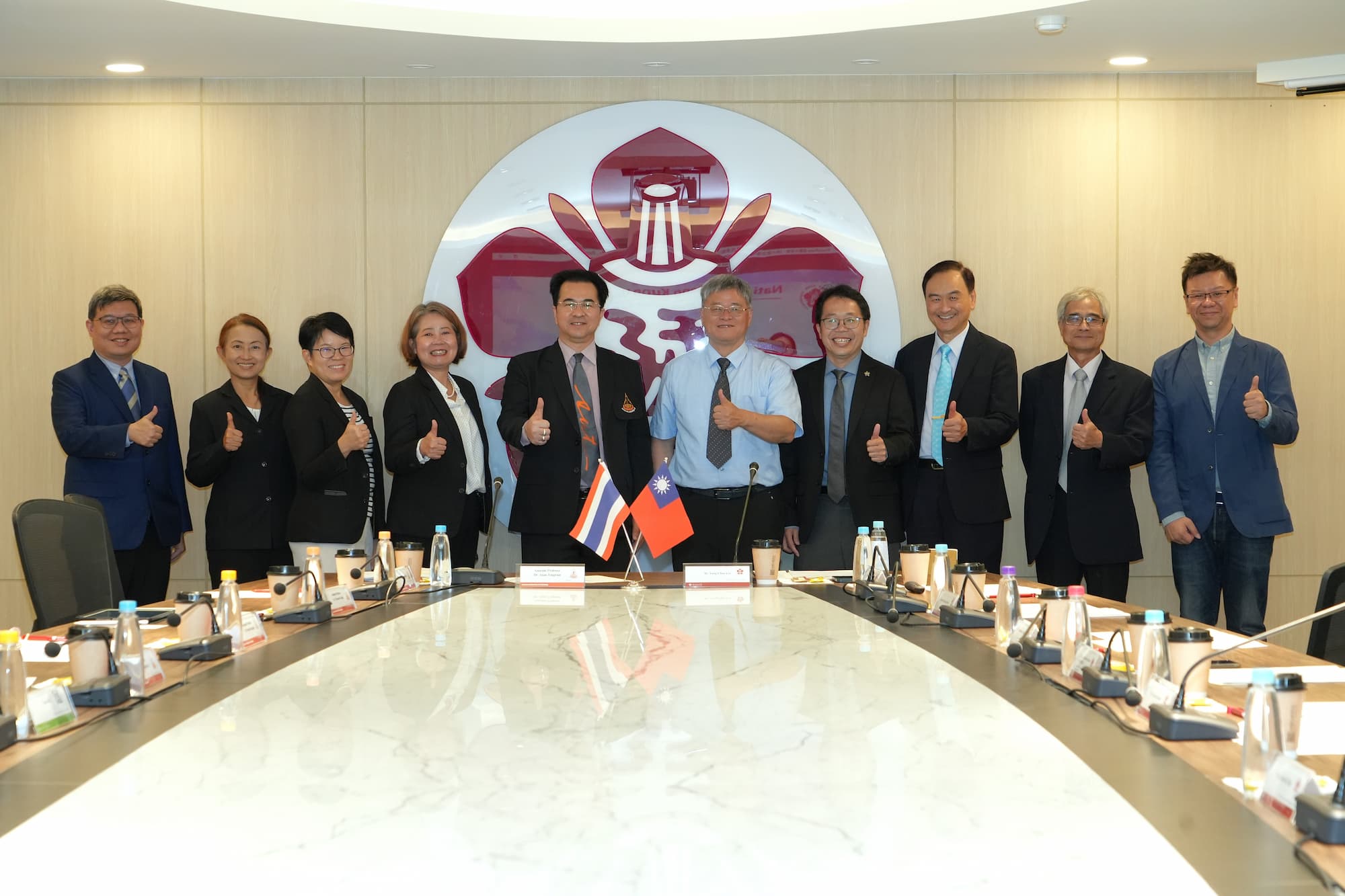
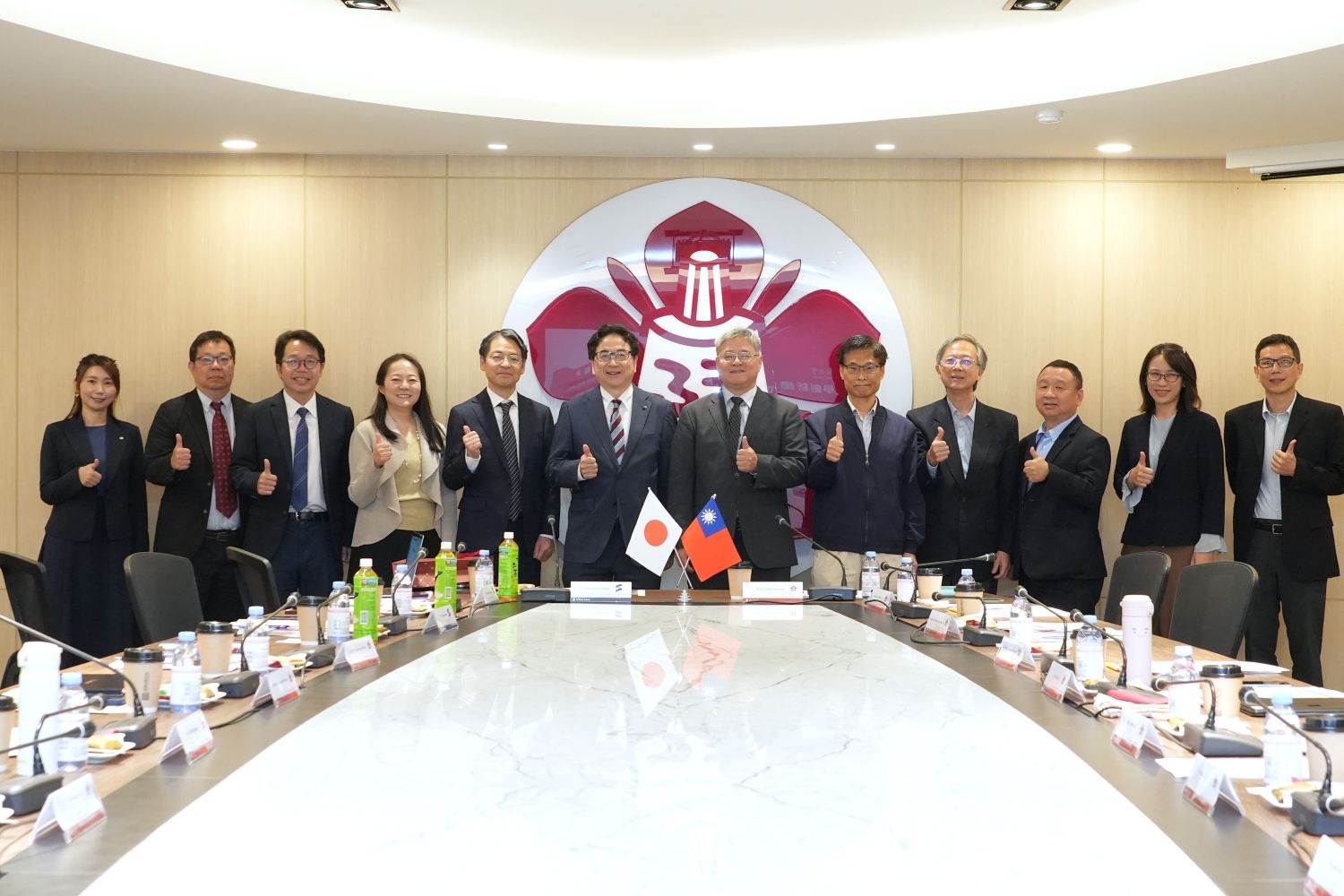
The morning session included discussions between the two universities on industry–academia and corporate collaboration, followed by a group photo.
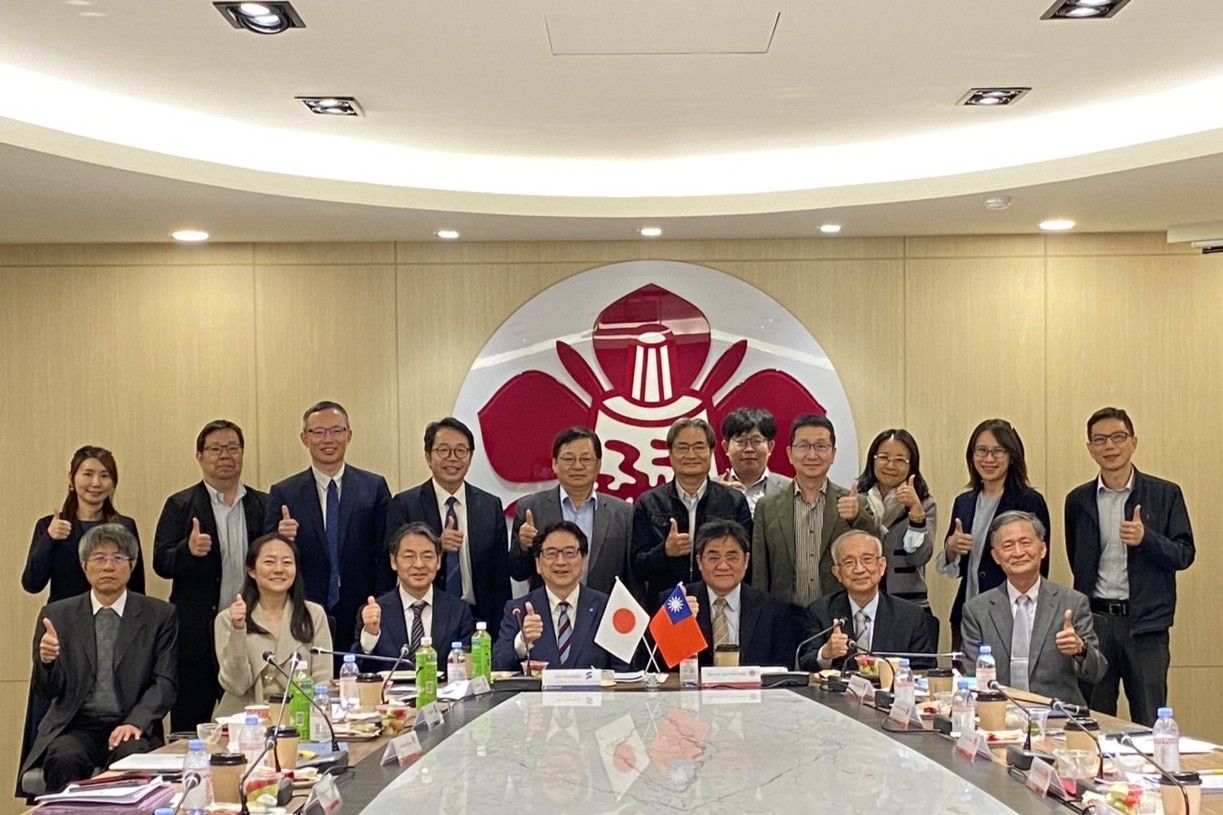
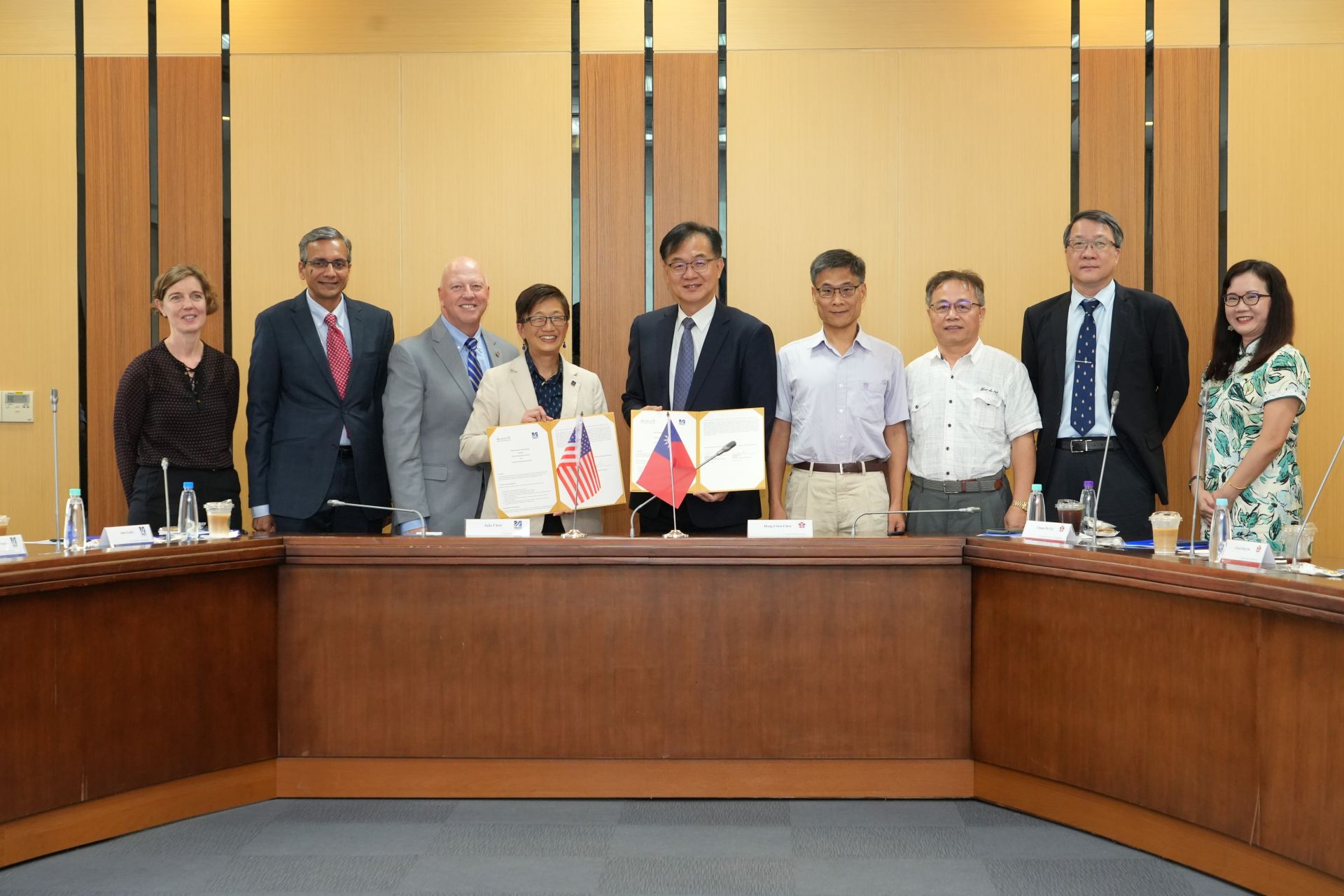
The afternoon session included thematic discussions between the two universities on applications in semiconductors and AI in medicine, followed by a group photo.