



SDG11
NCKU and Guangfu Township Host Post-Disaster Environmental & Medical Sampling Workshop to Drive Cross-Domain Governance
With full support from NCKU President Meng-Ru Shen, the overall project is led by Principal Investigator Pao-Shan Yu, former Dean of the College of Engineering. The initiative integrates cross-disciplinary expertise spanning medicine, public health, water resources, and the environment. Through the long-term deep involvement of the NCKU Science Station in Hualien, the team applies scientific research to assist local authorities in driving post-disaster recovery and health risk management, showcasing tangible outcomes of university engagement in local service and University Social Responsibility (USR).
The workshop was chaired by NCKU Secretary-General Wei-Sheng Lo, with Dr. Chun-Ling Wang from the NCKU College of Medicine overseeing the medical sampling plan and providing on-site technical guidance. Section Chief Yi-Chun Lin from the NCKU Science Station team, along with youth interns, jointly carried out sampling, data recording, and field investigations. Through cross-disciplinary collaboration and youth participation, the initiative aims to cultivate practical talents for future local disaster prevention and public health work.
On the first day of the workshop, the team outlined the post-disaster environmental monitoring and medical sampling project. Facilitated by the Guangfu Township Office, chiefs from the seven affected villages were invited to share current environmental conditions. Based on first-line observations, they collectively marked waterlogging hotspots, drainage bottlenecks, and priority sampling locations on aerial photography maps. By combining the long-term local environmental experience of residents with the scientific analysis of NCKU's professional team, the representativeness and practicality of the sampling work were enhanced, highlighting the vital value of local co-participation in post-disaster governance.
Following the confirmation of sampling points, the NCKU team proceeded to the villages to conduct a two-stage field sampling process, systematically collecting water body and environmental samples. Subsequent laboratory testing and analysis will establish an environmental safety monitoring database to continuously track environmental quality and pathogen risk changes in the disaster area, providing local authorities with a crucial decision-making basis for public health management, environmental improvement, and post-disaster recovery.
In addition to completing the preliminary work for environmental monitoring and medical sampling, this workshop officially activated the NCKU Science Station's function as a post-disaster health and environmental monitoring platform. Moving forward, the science station will continue to integrate resources from central ministries, local governments, academia, and local communities to establish a sustained mechanism for long-term environmental monitoring, health risk assessment, and scientific decision support. By feeding scientific research results back into local governance, it aims to build a local collaboration base combining research, education, talent cultivation, and social service functions.
NCKU stated that it will continue to leverage the NCKU Science Station as an essential platform for post-disaster recovery and resilient governance in Hualien and Taitung. Partnering with the Guangfu Township Office, the seven affected villages, and stakeholders across various sectors, NCKU will integrate cross-disciplinary expertise in healthcare, public health, water resources, environment, disaster prevention, and smart monitoring. Together, they will advance long-term environmental monitoring, disaster prevention education, youth internships, and local talent development—establishing a post-disaster cooperation model built on scientific foundations, local participation, and sustainable governance to truly bring university expertise to the local level and continuously safeguard the health, safety, and sustainable development of Guangfu Township residents.
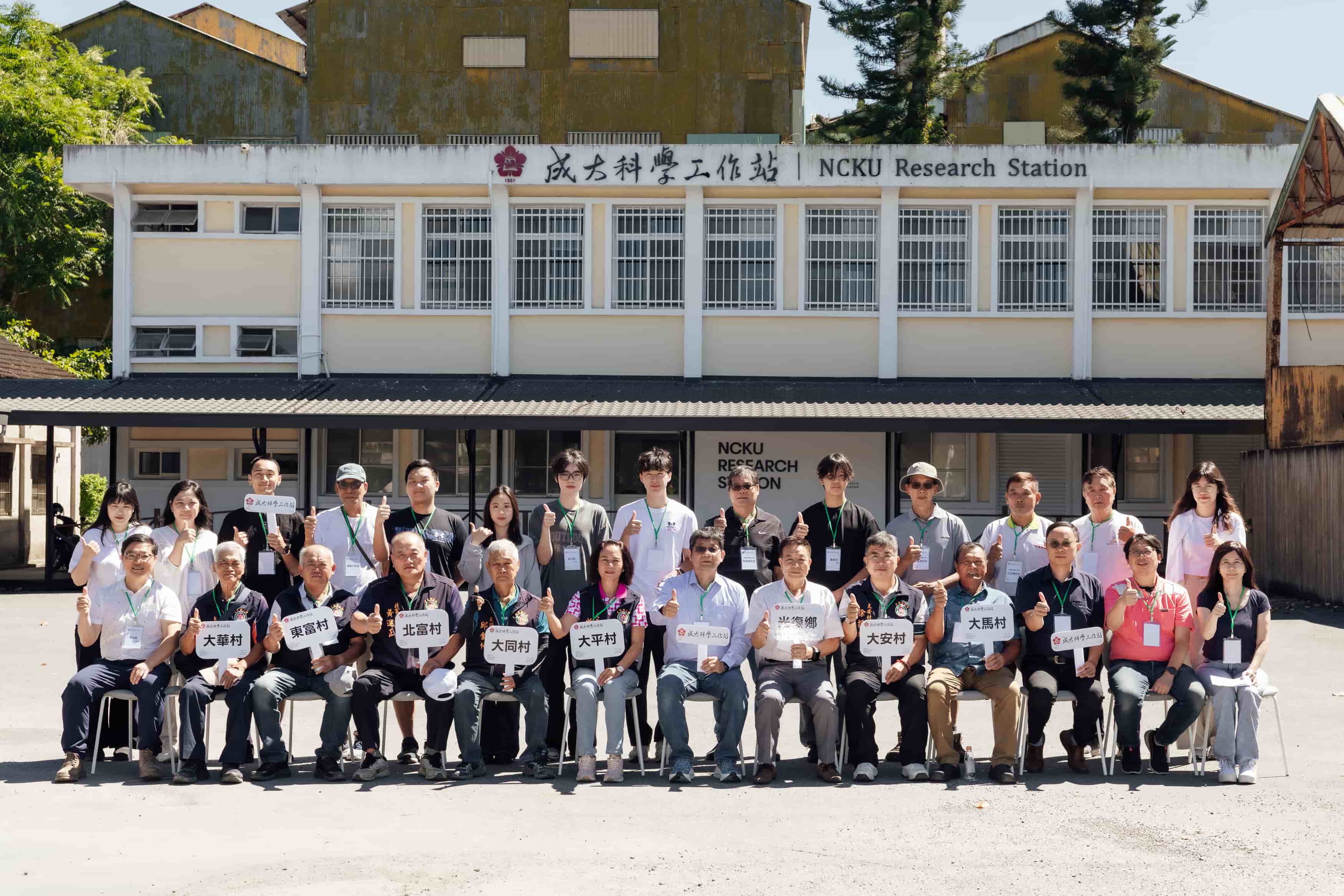
NCKU partnered with the Guangfu Township Office on July 7–8 to host a post-disaster environmental monitoring and medical sampling workshop, jointly setting a new benchmark for cross-domain governance.
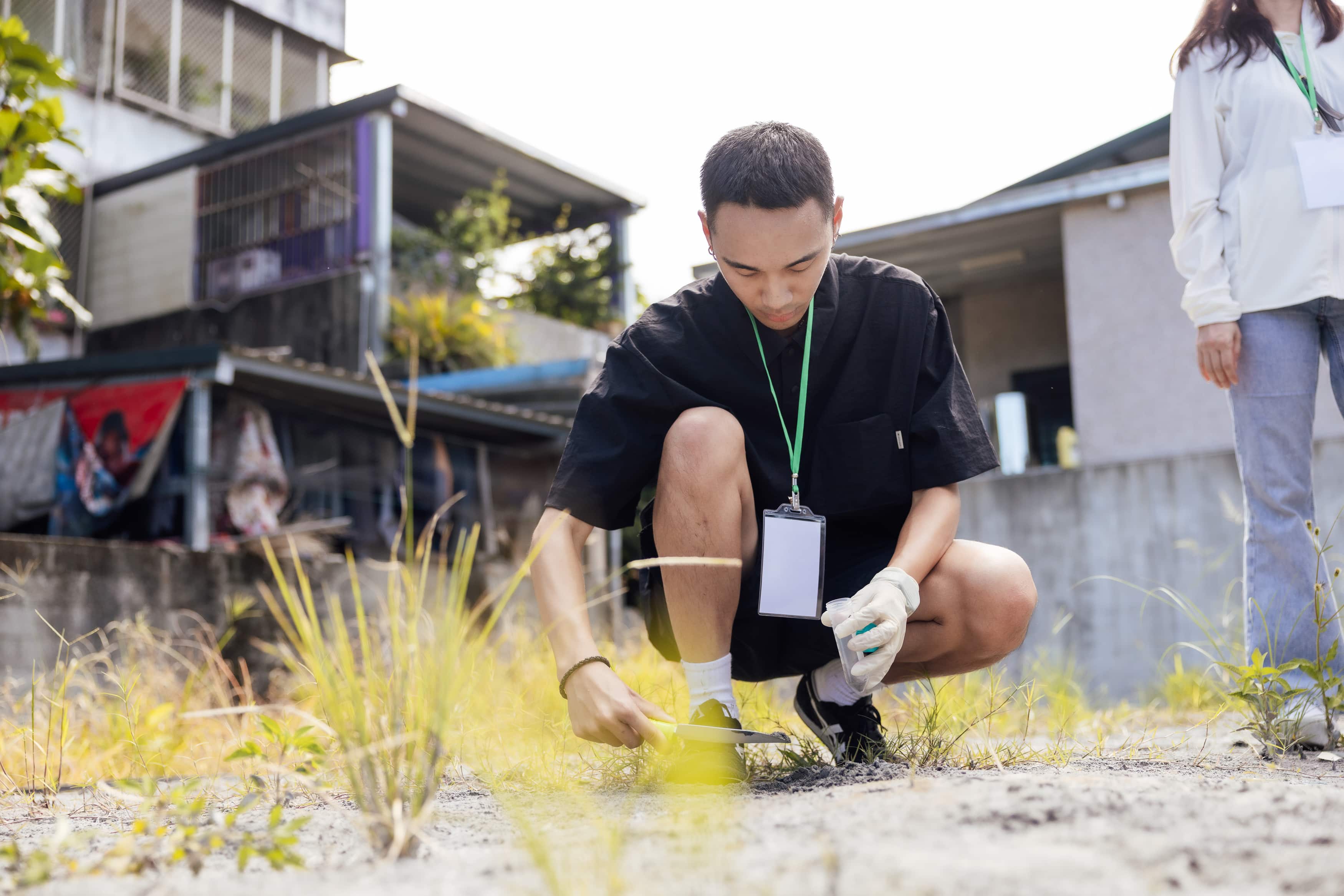
The NCKU team proceeded to the villages to conduct field sampling, which will be followed by laboratory analysis to build an environmental safety monitoring database for tracking environmental quality and pathogen risk dynamics in the disaster area.
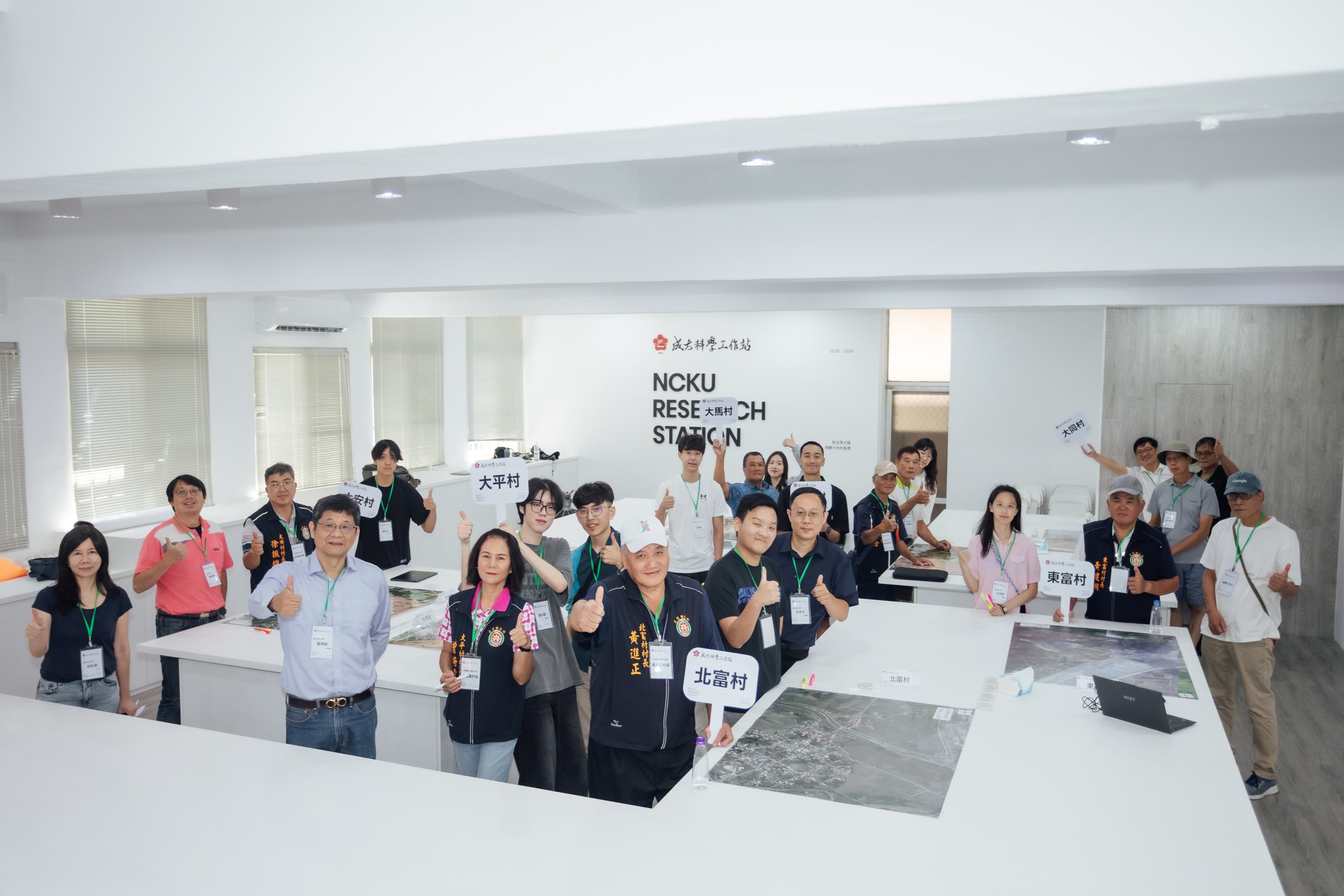
NCKU hosted the "Guangfu Township Matai'an Creek Post-Disaster Environmental Monitoring and Medical Sampling Workshop" at the NCKU Science Station from July 7 to 8, joining hands with the Guangfu Township Office and seven affected villages to jointly launch a post-disaster environmental monitoring and health risk management mechanism.
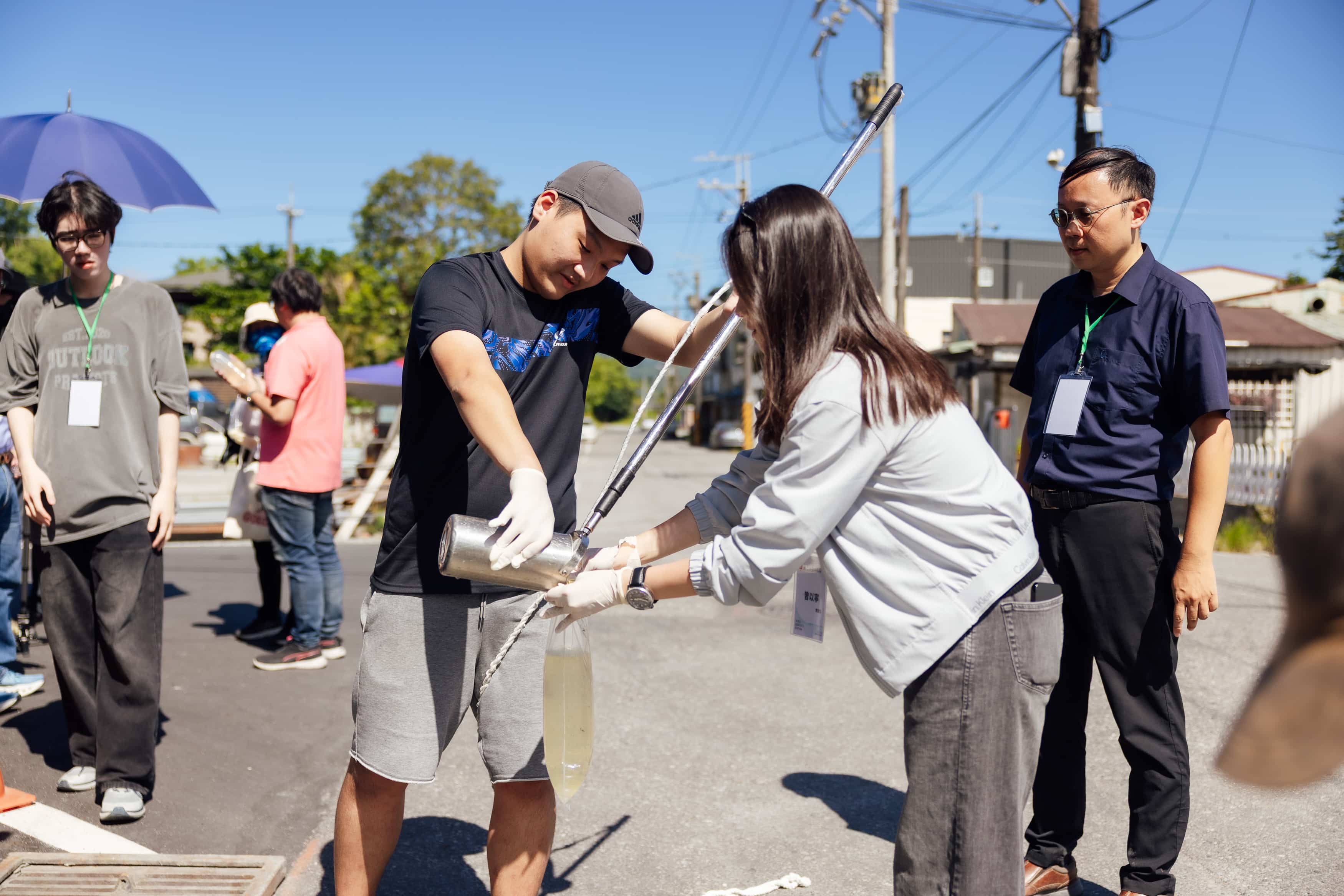
The NCKU team proceeded to the villages to conduct field sampling, which will be followed by laboratory analysis to build an environmental safety monitoring database for tracking environmental quality and pathogen risk dynamics in the disaster area.
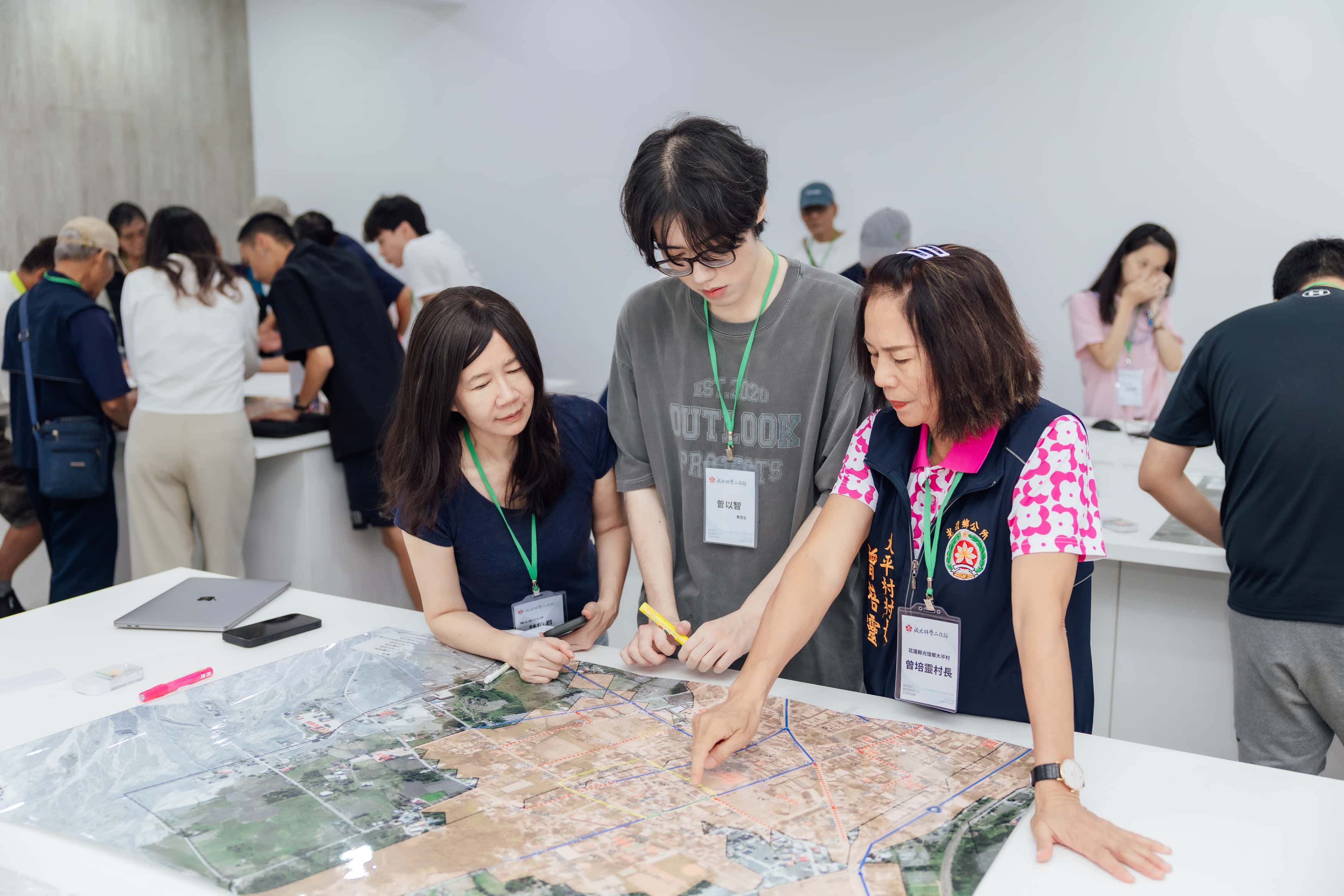
The workshop invited the chiefs of the seven affected villages to share the current environmental conditions of their respective areas. Based on front-line observations, they collectively marked waterlogging hotspots, drainage bottlenecks, and priority sampling locations on aerial photography maps.
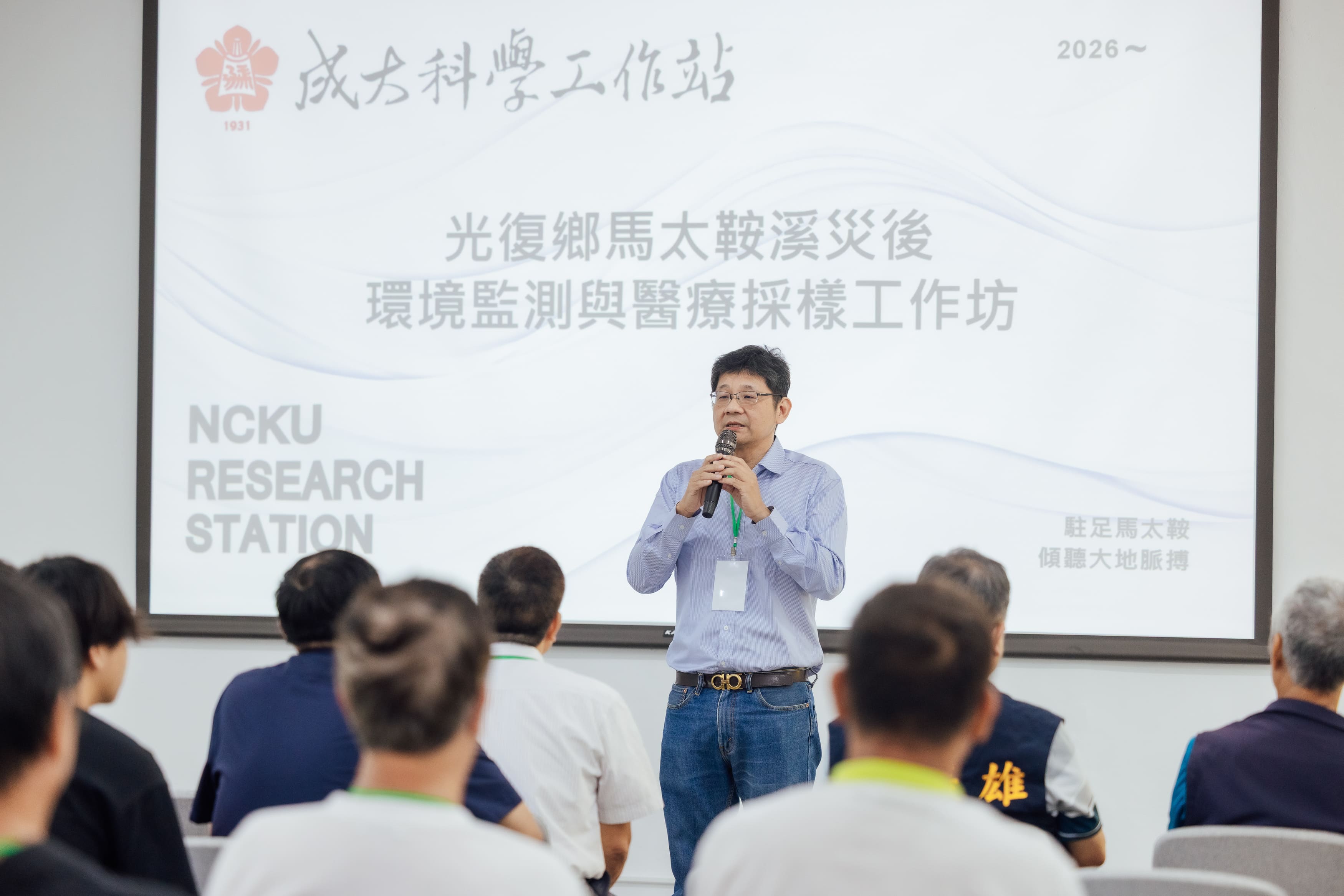
Wei-Sheng Lo, Secretary-General of NCKU, stated that an environmental safety monitoring database will be established to continuously track changes in environmental quality and pathogen risks in the disaster area, providing local authorities with a crucial decision-making basis for public health management, environmental improvement, and post-disaster recovery.