



SDG4
NCKU’s 2026 UR Undergraduate Research Activities Encourage Freshmen to Explore Research and Discover Their Future Paths
Written & Image credit to NCKU News Center
National Cheng Kung University (NCKU) offers a wealth of academic and research resources. To provide students with early exposure to scientific research, NCKU held the 2026 UR Undergraduate Research Activities from September 2 to 4. Senior students were invited to share their hands-on experiences in international competitions, interdisciplinary research and development, innovation, and entrepreneurship. Selected laboratories and research facilities were also open to students for visits. These activities allowed freshmen to experience the excitement of research firsthand, explore NCKU’s strong academic environment and advanced research resources, broaden their learning horizons, and discover new possibilities for their future.
The opening ceremony of the 2026 UR Undergraduate Research activities was held on the afternoon of September 2. NCKU Vice President Prof. Yung-Chun Lee emphasized that university is an important time of life for learning and exploration and encouraged students to make the most of this period by trying new things and actively exploring fields that interest them. NCKU provides extensive research resources and a top-tier research environment. While research facilities and laboratories are primarily used by graduate students on a daily basis, through the UR program, the University encourages undergraduate students to participate in the Research Grant to access laboratories and conduct research as early as their sophomore or junior year. Through these experiences, students explore their interests and gain a clearer sense of their future direction.
Associate Vice President for Research & Development Prof. I-Son Ng said that NCKU has organized the UR activities for many years. This shows the University’s strong commitment to undergraduate research, learning, and hands-on experience. Over the years, she has witnessed many student teams encounter setbacks during their projects, while they also gained valuable experience and achieved meaningful results. These experiences are an important part of their growth. “University is a place where dreams take off, and where dreams can become reality.” She encouraged students to dream boldly during their university years. More importantly, they should work step by step to turn their dreams into reality. Many successful people began exploring and trying new things during their university years, and even made mistakes along the way. Through these experiences, they gradually found their direction in life.
After the opening ceremony, a joint lecture was held. The 2025 Dream Realization Project—TrAIn team shared their experience of developing an AI-assisted table tennis training app. They introduced how they came up with the idea, designed the system, and turned it into a working product. They also shared how the team members first met and began working together. Based on their own experience, they encouraged students, “Professors are not scary. They will do their best to help the team grow and improve. Make an effort to build a good relationship with your professors,” they said. The team also encouraged students interested in innovation and entrepreneurship to move forward with confidence, “Use your expertise to solve real-world problems that you care about.”
Chen, a member of the NCKU Institute of Space Propulsion, did not have a background in aerospace engineering and had to learn everything from scratch. “At first, even turning on my computer felt painful. There were endless reviews, and sometimes our progress came to a standstill,” Chen said. However, the biggest takeaway was that it is always possible to ask teammates for help when something is unfamiliar. “Even if you start from zero, you can still achieve your goals.” The NCKU Institute of Space Propulsion focuses on rocket technology. Its members study the design, construction, and launch of different types of rockets. In 2023, the team traveled to the United States to participate in the Friends of Amateur Rocketry competition and won second place.
Other teams also took part in the joint lecture. The NCKU Formula Racing Team has built race cars and competed in the Formula SAE student engineering competition in Japan, one of the world’s largest engineering competitions. The Taiwan BT&D² Team uses artificial intelligence to connect Eastern and Western medicine. It has developed the BT&D² medical research platform to improve precision medicine formulations. The NCKU iGEM team brings together students who are passionate about synthetic biology. The team aims to develop new ideas and solutions for medical innovation and synthetic biology.
The laboratory visits took place on September 3 and 4. Students visited a range of laboratories and research facilities, including the Medical Device Innovation Center, LUMEN Lab, and BT&D² Laboratory. Other facilities included the Taiwan Semiconductor Research Institute, Architectural Acoustics Laboratory, Working Space RAC-Coon (Robot-Aided Creation and Construction), Networked Robotic Systems Laboratory, Advanced Intelligent Robot and System Lab, Robotics Ground on the 3rd floor of Macronix Hall, Combustion and Propulsion Lab, IEC-Lab, and the Intelligent Unmanned Aircraft Systems (IUAS) Lab.
Hsiao, a student in the Department of Civil Engineering who signed up to visit the Taiwan Semiconductor Research Center, said that the semiconductor industry is currently a major field of interest and hoped that the visit would gain a deeper understanding of the industry. If coursework allows, Hsiao may also consider taking related courses in the future.
Wan, a student in the Department of Medical Laboratory Science and Biotechnology who visited the LUMEN Lab, was impressed by how doctors and graduate students introduced the laboratory’s equipment, which combines technologies such as big data and artificial intelligence to provide patients with better and safer medical care. “I think it’s amazing. I hope I can become one of them one day,” Wan said.
As a leading research university, NCKU is committed to developing advanced talent and promoting scientific research. Since 2019, the University has organized the UR Undergraduate Research activities, providing students a chance to experience NCKU’s strong research capabilities firsthand while also encouraging them to explore science and interdisciplinary research and develop their potential through learning and research. NCKU hopes that these experiences will help students make their mark on the international academic and innovation stage in the future.
Provider: NCKU News Center
Date: 2026-09-14
National Cheng Kung University (NCKU) offers a wealth of academic and research resources. To provide students with early exposure to scientific research, NCKU held the 2026 UR Undergraduate Research Activities from September 2 to 4. Senior students were invited to share their hands-on experiences in international competitions, interdisciplinary research and development, innovation, and entrepreneurship. Selected laboratories and research facilities were also open to students for visits. These activities allowed freshmen to experience the excitement of research firsthand, explore NCKU’s strong academic environment and advanced research resources, broaden their learning horizons, and discover new possibilities for their future.
The opening ceremony of the 2026 UR Undergraduate Research activities was held on the afternoon of September 2. NCKU Vice President Prof. Yung-Chun Lee emphasized that university is an important time of life for learning and exploration and encouraged students to make the most of this period by trying new things and actively exploring fields that interest them. NCKU provides extensive research resources and a top-tier research environment. While research facilities and laboratories are primarily used by graduate students on a daily basis, through the UR program, the University encourages undergraduate students to participate in the Research Grant to access laboratories and conduct research as early as their sophomore or junior year. Through these experiences, students explore their interests and gain a clearer sense of their future direction.
Associate Vice President for Research & Development Prof. I-Son Ng said that NCKU has organized the UR activities for many years. This shows the University’s strong commitment to undergraduate research, learning, and hands-on experience. Over the years, she has witnessed many student teams encounter setbacks during their projects, while they also gained valuable experience and achieved meaningful results. These experiences are an important part of their growth. “University is a place where dreams take off, and where dreams can become reality.” She encouraged students to dream boldly during their university years. More importantly, they should work step by step to turn their dreams into reality. Many successful people began exploring and trying new things during their university years, and even made mistakes along the way. Through these experiences, they gradually found their direction in life.
After the opening ceremony, a joint lecture was held. The 2025 Dream Realization Project—TrAIn team shared their experience of developing an AI-assisted table tennis training app. They introduced how they came up with the idea, designed the system, and turned it into a working product. They also shared how the team members first met and began working together. Based on their own experience, they encouraged students, “Professors are not scary. They will do their best to help the team grow and improve. Make an effort to build a good relationship with your professors,” they said. The team also encouraged students interested in innovation and entrepreneurship to move forward with confidence, “Use your expertise to solve real-world problems that you care about.”
Chen, a member of the NCKU Institute of Space Propulsion, did not have a background in aerospace engineering and had to learn everything from scratch. “At first, even turning on my computer felt painful. There were endless reviews, and sometimes our progress came to a standstill,” Chen said. However, the biggest takeaway was that it is always possible to ask teammates for help when something is unfamiliar. “Even if you start from zero, you can still achieve your goals.” The NCKU Institute of Space Propulsion focuses on rocket technology. Its members study the design, construction, and launch of different types of rockets. In 2023, the team traveled to the United States to participate in the Friends of Amateur Rocketry competition and won second place.
Other teams also took part in the joint lecture. The NCKU Formula Racing Team has built race cars and competed in the Formula SAE student engineering competition in Japan, one of the world’s largest engineering competitions. The Taiwan BT&D² Team uses artificial intelligence to connect Eastern and Western medicine. It has developed the BT&D² medical research platform to improve precision medicine formulations. The NCKU iGEM team brings together students who are passionate about synthetic biology. The team aims to develop new ideas and solutions for medical innovation and synthetic biology.
The laboratory visits took place on September 3 and 4. Students visited a range of laboratories and research facilities, including the Medical Device Innovation Center, LUMEN Lab, and BT&D² Laboratory. Other facilities included the Taiwan Semiconductor Research Institute, Architectural Acoustics Laboratory, Working Space RAC-Coon (Robot-Aided Creation and Construction), Networked Robotic Systems Laboratory, Advanced Intelligent Robot and System Lab, Robotics Ground on the 3rd floor of Macronix Hall, Combustion and Propulsion Lab, IEC-Lab, and the Intelligent Unmanned Aircraft Systems (IUAS) Lab.
Hsiao, a student in the Department of Civil Engineering who signed up to visit the Taiwan Semiconductor Research Center, said that the semiconductor industry is currently a major field of interest and hoped that the visit would gain a deeper understanding of the industry. If coursework allows, Hsiao may also consider taking related courses in the future.
Wan, a student in the Department of Medical Laboratory Science and Biotechnology who visited the LUMEN Lab, was impressed by how doctors and graduate students introduced the laboratory’s equipment, which combines technologies such as big data and artificial intelligence to provide patients with better and safer medical care. “I think it’s amazing. I hope I can become one of them one day,” Wan said.
As a leading research university, NCKU is committed to developing advanced talent and promoting scientific research. Since 2019, the University has organized the UR Undergraduate Research activities, providing students a chance to experience NCKU’s strong research capabilities firsthand while also encouraging them to explore science and interdisciplinary research and develop their potential through learning and research. NCKU hopes that these experiences will help students make their mark on the international academic and innovation stage in the future.
Provider: NCKU News Center
Date: 2026-09-14
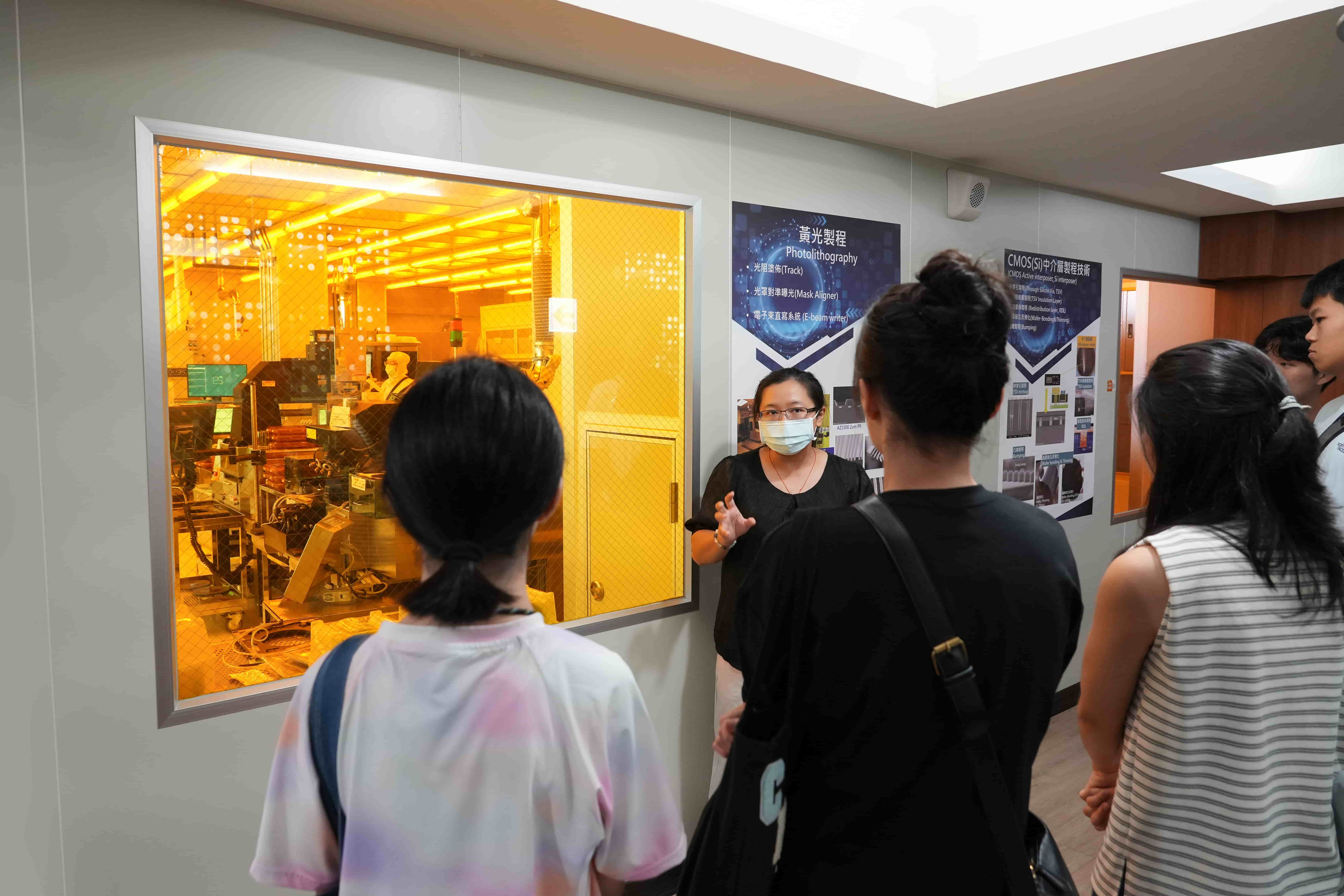
Students visit the Taiwan Semiconductor Research Institute
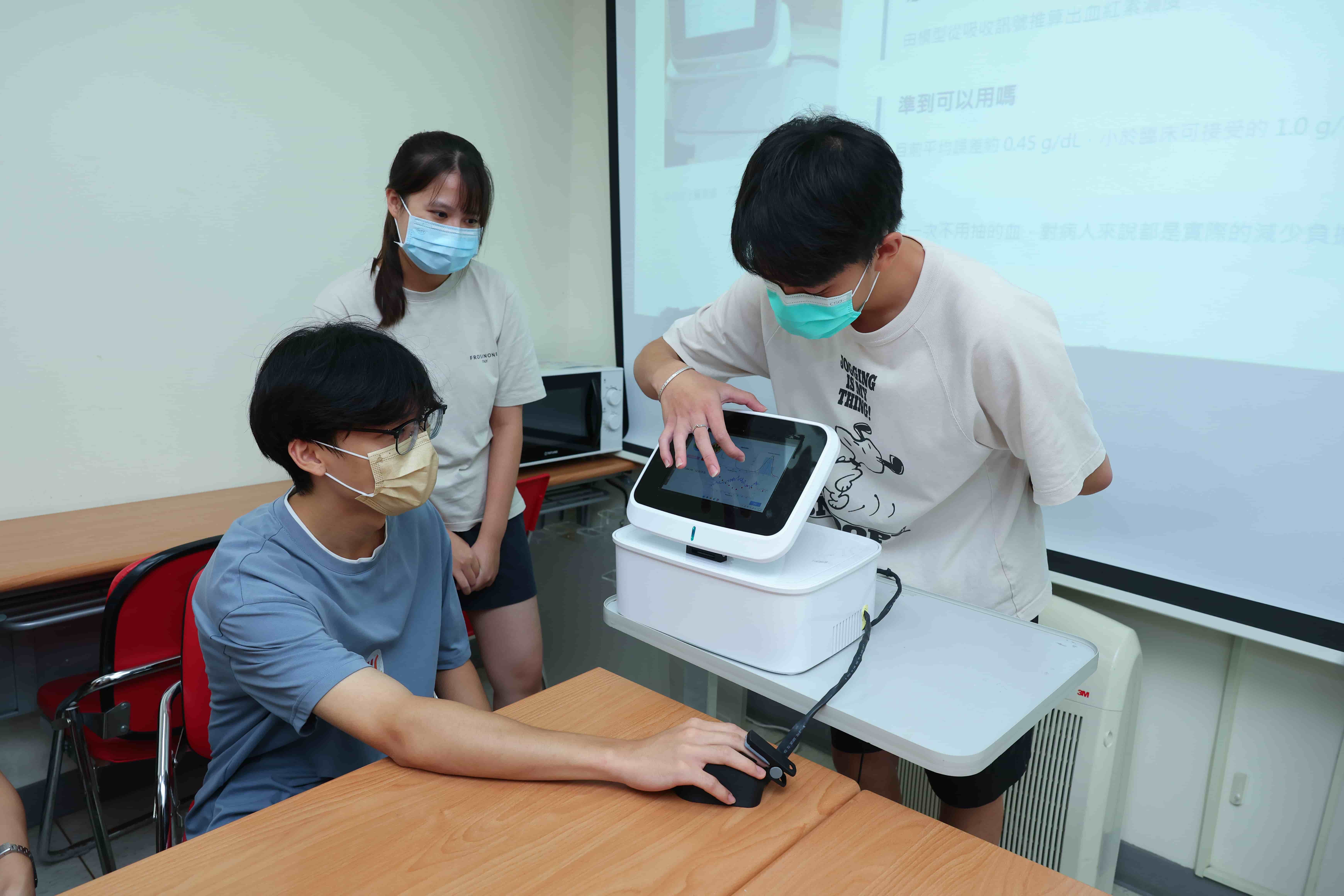
Students visit the LUMEN Lab and try out its sensing equipment
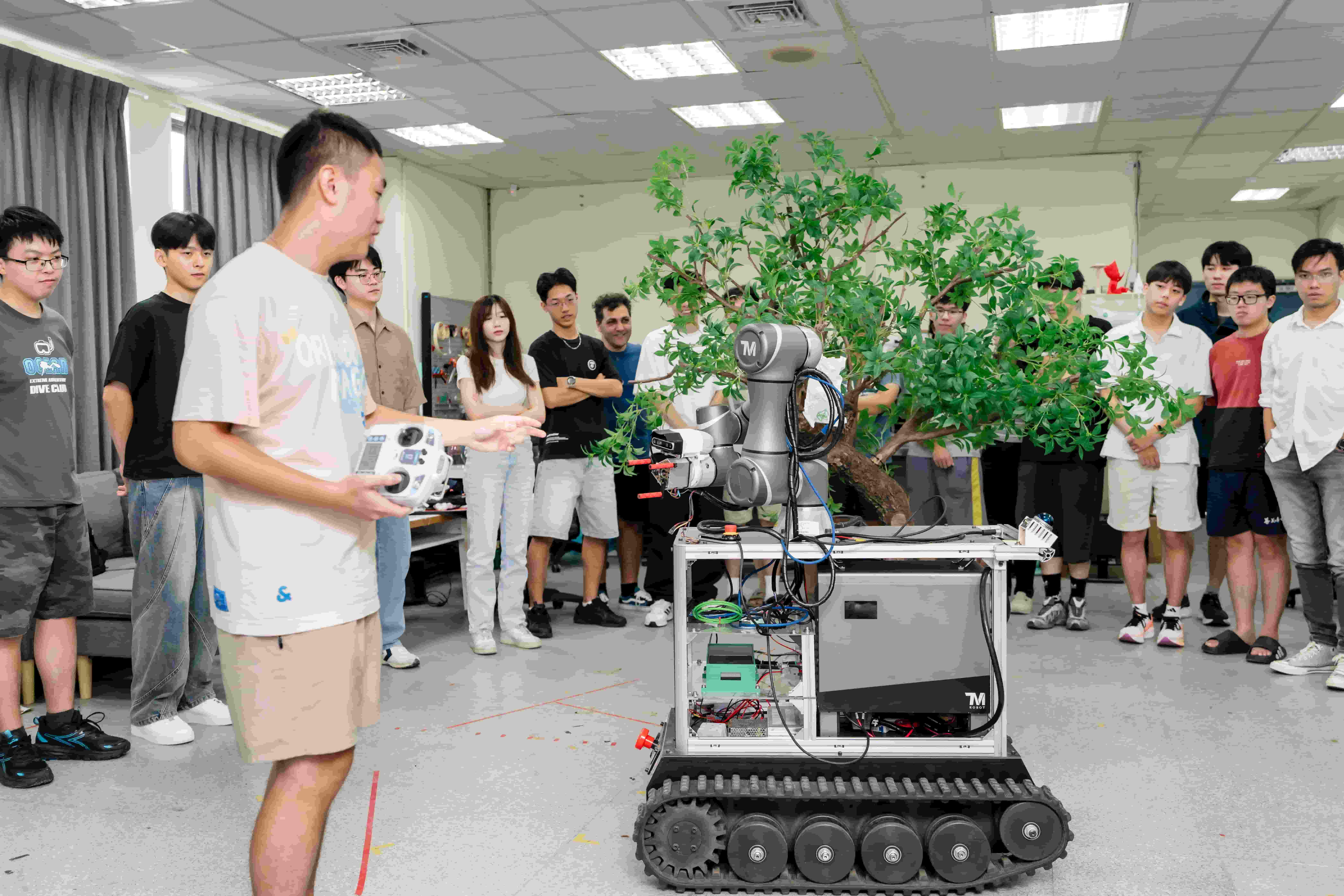
A fruit-picking robot developed by the Networked Robotic Systems Laboratory
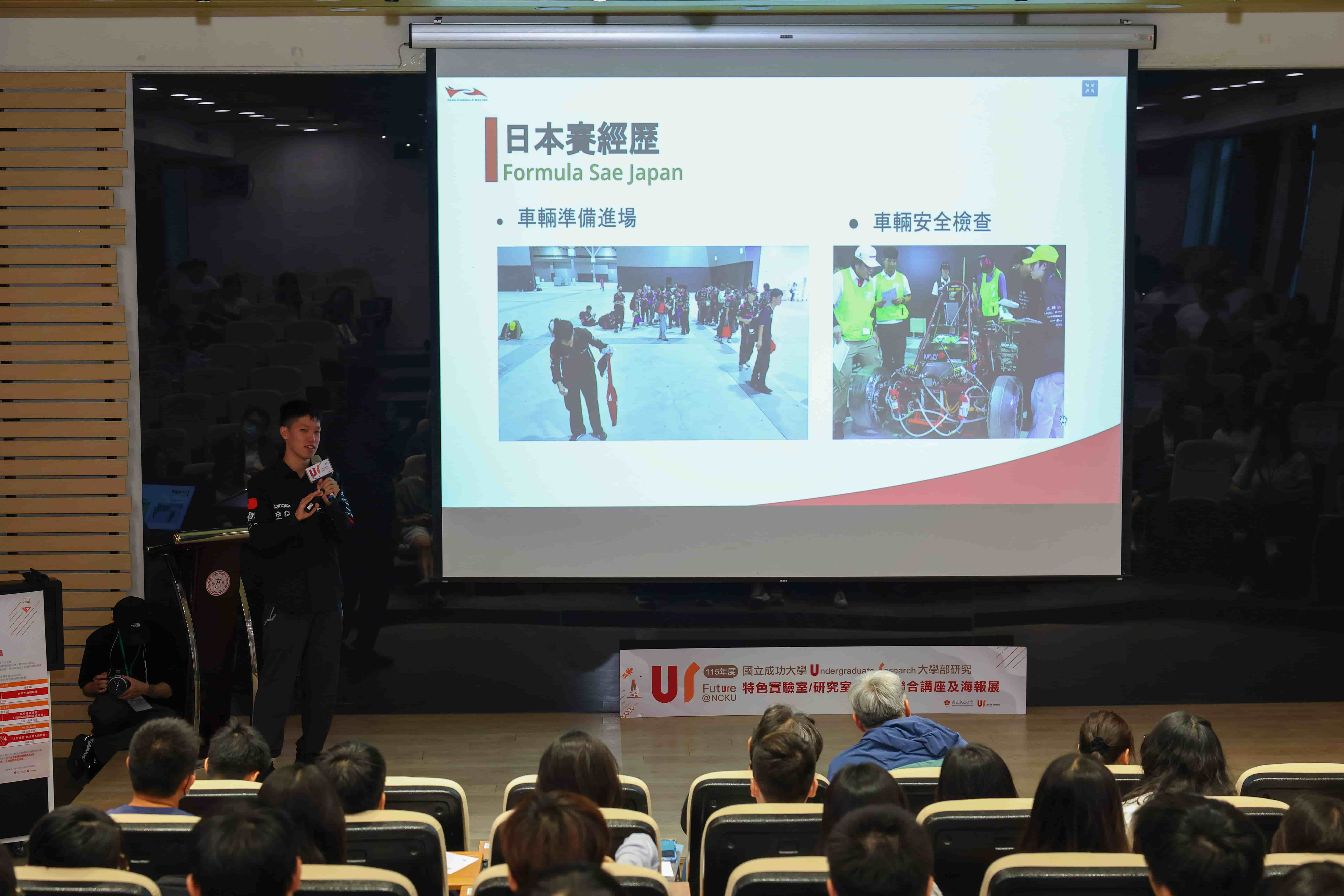
The NCKU Formula Racing Team shares its hands-on experience and experience competing in international competitions at the joint lecture
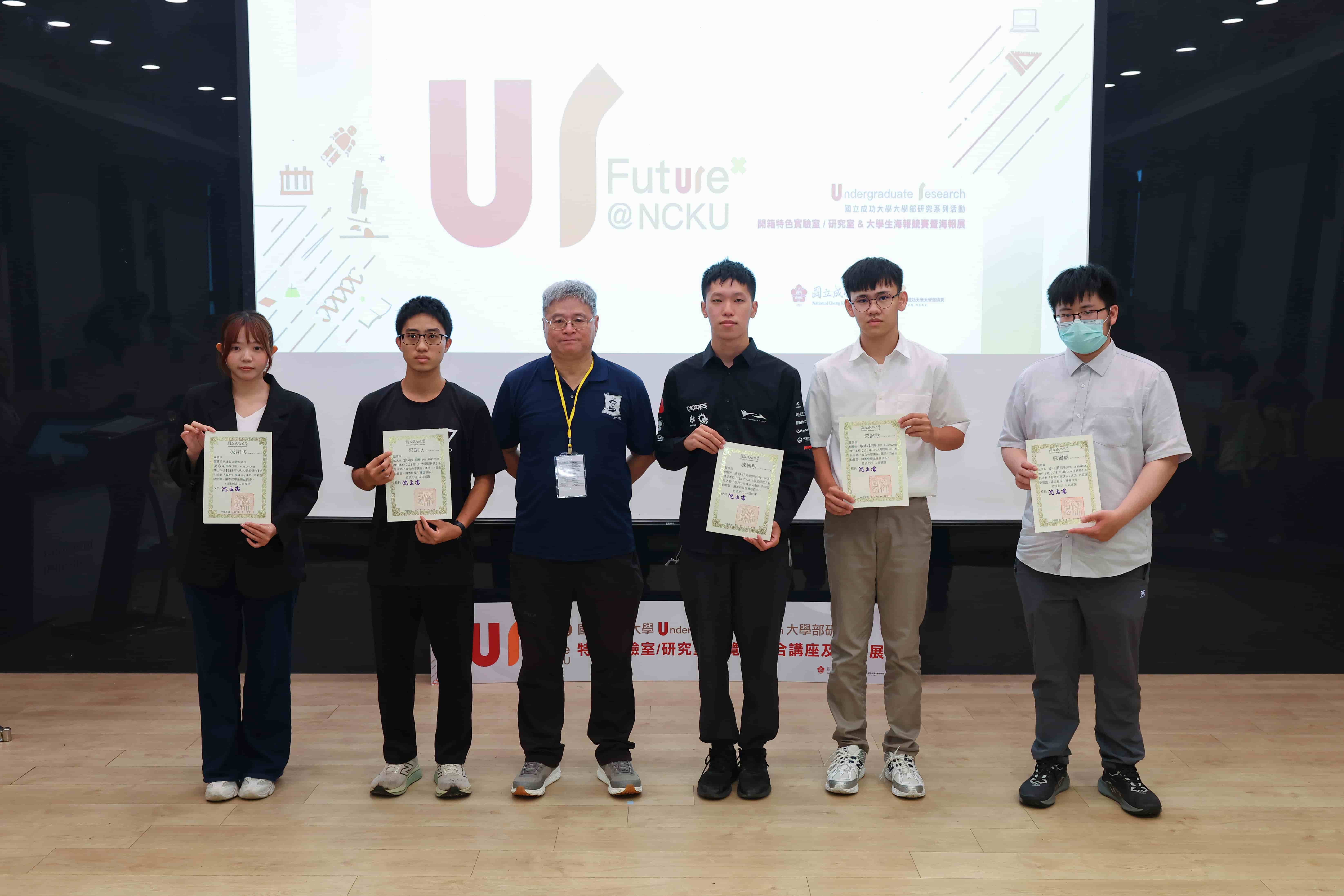
NCKU Vice President Yung-Chun Lee (third from left) presents certificates of appreciation to representatives of the teams participating in the joint forum
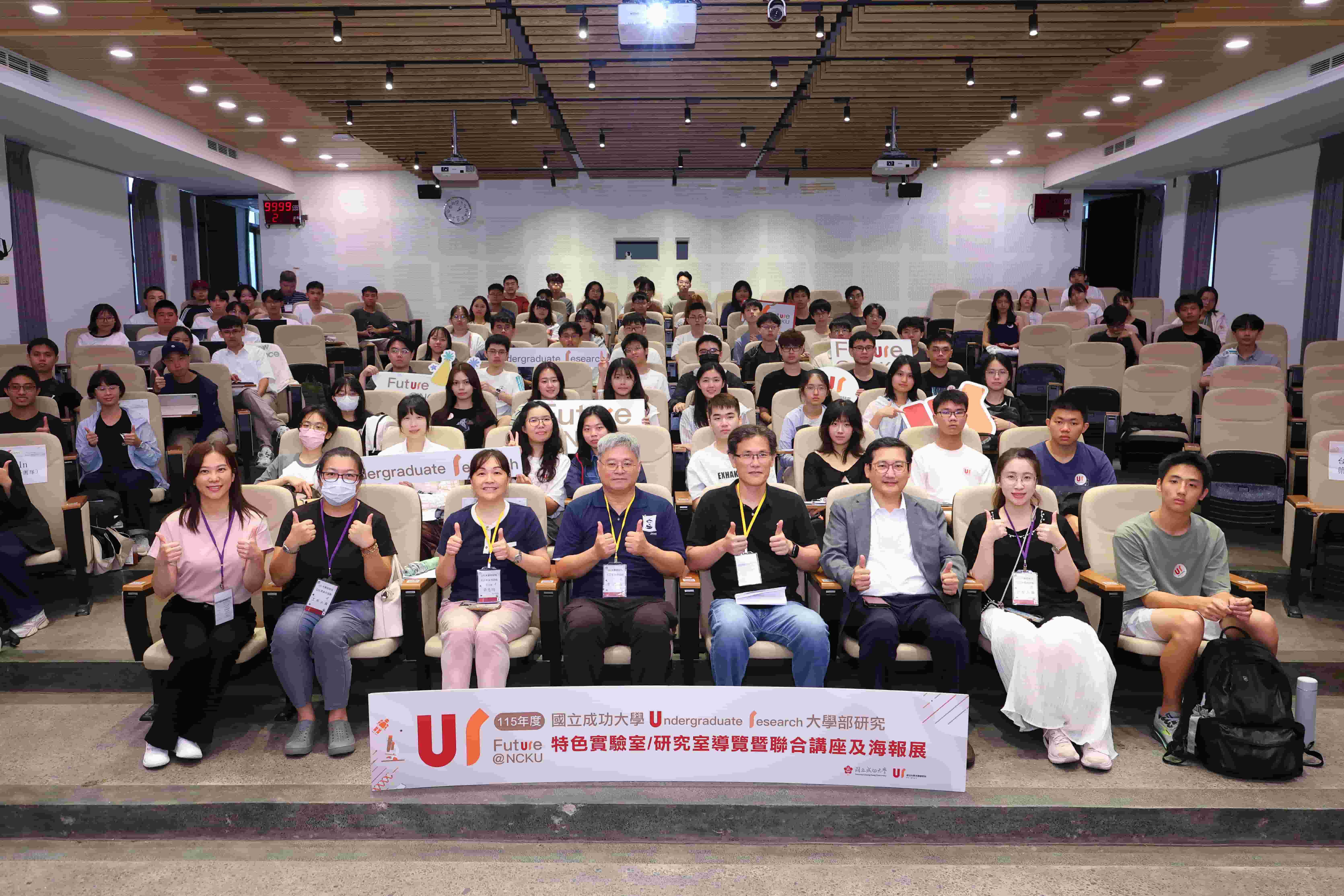
Group photo at the opening ceremony of the 2026 UR Undergraduate Research Activities
SDG4NCKU Science Education Center Promotes International Science Education in Malaysia, Kicking Off with Semiconductor Science
View more
SDG4Healing Playground Themed Book Exhibition Series Activities Loaded with Happiness Energy, Moving Forward to the Next Step
View more