



SDG5
NCKU Partners with Hokkaido University: Taiwanese and Japanese Students Explore Gender Issues Starting from "Connection”
Knowing Taiwan, Knowing Each Other: From Online Encounters to Tainan Co-Learning, Rediscovering Gender and One Another Through Cross-Cultural Dialogue
The Center for Gender and Women’s Studies at National Cheng Kung University (NCKU), in collaboration with Hokkaido University, Japan, launched a Taiwan-Japan student exchange program. In September 2026, NCKU welcomed faculty and students from Hokkaido University to engage in a five-day journey of cross-cultural learning and gender exploration centered around the theme "Knowing Taiwan, Knowing Each Other." Departing from traditional sightseeing-focused exchange programs, this initiative grounded itself in genuine "connection" between students, using shared living, observation, dialogue, and collaboration as springboards to explore gender issues.
The interaction did not begin upon arrival in Tainan. During the summer break, first-year students from Hokkaido University and students from NCKU had already connected online. Forming cross-national groups, they initiated discussions around gender topics of mutual interest. In September, two faculty members and ten students from Hokkaido University arrived at NCKU. They joined ten NCKU students who participated voluntarily under the guidance of Professor San-Hui Hsu from the NCKU Center for Gender and Women’s Studies, as well as the event management team, to begin physical, face-to-face exchanges.
From their first virtual encounters in front of screens to stepping into each other’s campuses and daily lives, the students extended their online connections into face-to-face, collaborative learning. Through cultural exploration, campus observations, daily interactions, and group collaborations, participants gradually evolved from "knowing each other" to "co-exploring together," placing cross-cultural connection at the foundation of understanding gender issues.
Starting from Connection: Uncovering Gender Issues in Daily Life
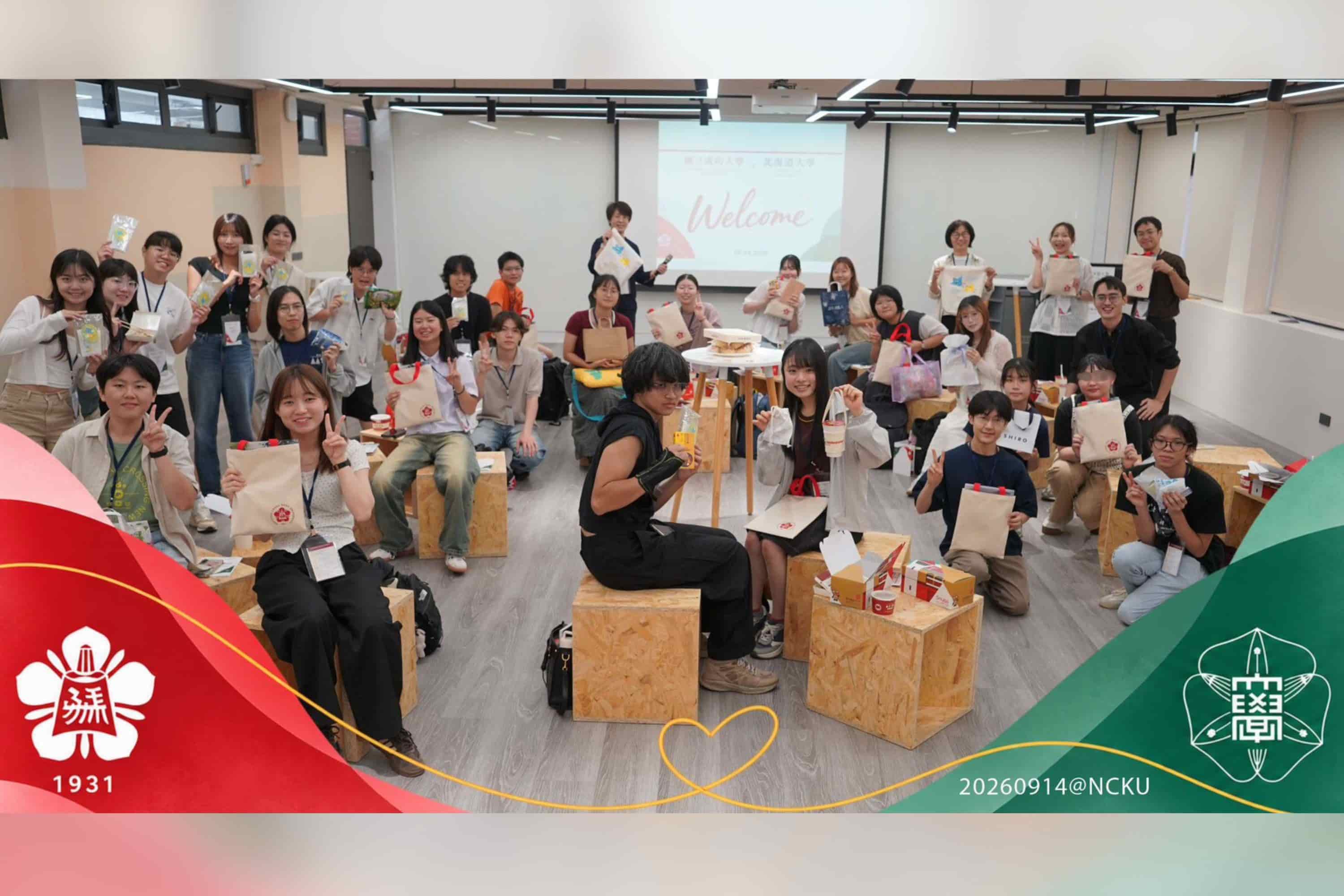
On September 14, the Taiwanese and Japanese students officially gathered at NCKU. In addition to opening remarks from faculty members and student self-introductions, the welcoming ceremony featured Taiwanese cultural exploration activities and buddy interactions. These activities allowed Hokkaido University students to experience Taiwan and NCKU through daily life while enabling online partners to step into each other's physical worlds.
This connection went beyond interpersonal socializing; it served as a vital gateway to uncovering gender issues. Drawing from their personal curiosity and lived experiences, ten pairs of Taiwanese and Japanese students developed distinct research topics, including:
Period equity and campus policy
LGBTQ+ campus experiences
Gender-friendly spaces and student autonomy
Gender roles in the workplace
Gender categorization in sports and competitions
Gender culture embedded in uniforms and language
Campus gender climate and gender education
Intersectionality in travel experiences
Gender frameworks within matchmaking and marriage-seeking traditions
Gender advocacy in campus and local communities
Rather than receiving predefined answers from instructors, students identified, formulated, and explored these questions directly from everyday experiences. Consequently, the focus was not merely on "what sets Taiwan and Japan apart," but rather on asking deeper questions: Why do these differences exist? How does viewing gender through another cultural lens alter the way we understand our own seemingly ordinary lives?
From Knowing Each Other to Forming Shared Understandings
From September 15 to 16, students immersed themselves in each other’s routine classes and campus life, continuously deepening their thematic investigations through urban exploration, study-buddy interactions, and group discussions. The program reserved ample space for student-led planning and mutual exploration, turning the NCKU campus and the city of Tainan into living laboratories for cross-cultural learning.
Throughout this process, a spatial layout, a phrase of daily slang, a school uniform, a category in athletic competitions, or even a routine campus policy could spark a gender dialogue. As Taiwanese and Japanese students observed the same phenomena from different cultural positions, differences ceased to be mere comparative findings; instead, they became catalysts for questioning and reflection.
On the morning of September 17, the "Taiwan-Japan Gender Issues Presentation" took place. The ten student groups presented their observations, dialogues, discoveries, and reflections from various gender perspectives, engaging in dynamic Q&A and feedback sessions with nearly 100 attending students. What the participants shared was not just fixed answers to complex topics, but something far more significant: how their perspectives shifted and what previously overlooked issues came into view after collaborating with peers from different cultural backgrounds.
Different Cultures, Shared Moments
Different cultures yield different vantage points, and genuine exchange begins when people build connections and choose to ask meaningful questions. From their summer online encounters to face-to-face interactions in Tainan, and onward to joint exploration of gender issues, students did not merely learn about another culture. Through each other’s eyes, they re-examined their own campuses, lives, and gender experiences. The NCKU Center for Gender and Women’s Studies envisions that this student-driven exploration will serve as a new stepping stone for NCKU and Hokkaido University to continuously deepen gender education, youth exchange, and cross-cultural collaboration.
The interaction did not begin upon arrival in Tainan. During the summer break, first-year students from Hokkaido University and students from NCKU had already connected online. Forming cross-national groups, they initiated discussions around gender topics of mutual interest. In September, two faculty members and ten students from Hokkaido University arrived at NCKU. They joined ten NCKU students who participated voluntarily under the guidance of Professor San-Hui Hsu from the NCKU Center for Gender and Women’s Studies, as well as the event management team, to begin physical, face-to-face exchanges.
From their first virtual encounters in front of screens to stepping into each other’s campuses and daily lives, the students extended their online connections into face-to-face, collaborative learning. Through cultural exploration, campus observations, daily interactions, and group collaborations, participants gradually evolved from "knowing each other" to "co-exploring together," placing cross-cultural connection at the foundation of understanding gender issues.
Starting from Connection: Uncovering Gender Issues in Daily Life
On September 14, the Taiwanese and Japanese students officially gathered at NCKU. In addition to opening remarks from faculty members and student self-introductions, the welcoming ceremony featured Taiwanese cultural exploration activities and buddy interactions. These activities allowed Hokkaido University students to experience Taiwan and NCKU through daily life while enabling online partners to step into each other's physical worlds.
This connection went beyond interpersonal socializing; it served as a vital gateway to uncovering gender issues. Drawing from their personal curiosity and lived experiences, ten pairs of Taiwanese and Japanese students developed distinct research topics, including:
Period equity and campus policy
LGBTQ+ campus experiences
Gender-friendly spaces and student autonomy
Gender roles in the workplace
Gender categorization in sports and competitions
Gender culture embedded in uniforms and language
Campus gender climate and gender education
Intersectionality in travel experiences
Gender frameworks within matchmaking and marriage-seeking traditions
Gender advocacy in campus and local communities
Rather than receiving predefined answers from instructors, students identified, formulated, and explored these questions directly from everyday experiences. Consequently, the focus was not merely on "what sets Taiwan and Japan apart," but rather on asking deeper questions: Why do these differences exist? How does viewing gender through another cultural lens alter the way we understand our own seemingly ordinary lives?
From Knowing Each Other to Forming Shared Understandings
From September 15 to 16, students immersed themselves in each other’s routine classes and campus life, continuously deepening their thematic investigations through urban exploration, study-buddy interactions, and group discussions. The program reserved ample space for student-led planning and mutual exploration, turning the NCKU campus and the city of Tainan into living laboratories for cross-cultural learning.
Throughout this process, a spatial layout, a phrase of daily slang, a school uniform, a category in athletic competitions, or even a routine campus policy could spark a gender dialogue. As Taiwanese and Japanese students observed the same phenomena from different cultural positions, differences ceased to be mere comparative findings; instead, they became catalysts for questioning and reflection.
On the morning of September 17, the "Taiwan-Japan Gender Issues Presentation" took place. The ten student groups presented their observations, dialogues, discoveries, and reflections from various gender perspectives, engaging in dynamic Q&A and feedback sessions with nearly 100 attending students. What the participants shared was not just fixed answers to complex topics, but something far more significant: how their perspectives shifted and what previously overlooked issues came into view after collaborating with peers from different cultural backgrounds.
Different Cultures, Shared Moments
Different cultures yield different vantage points, and genuine exchange begins when people build connections and choose to ask meaningful questions. From their summer online encounters to face-to-face interactions in Tainan, and onward to joint exploration of gender issues, students did not merely learn about another culture. Through each other’s eyes, they re-examined their own campuses, lives, and gender experiences. The NCKU Center for Gender and Women’s Studies envisions that this student-driven exploration will serve as a new stepping stone for NCKU and Hokkaido University to continuously deepen gender education, youth exchange, and cross-cultural collaboration.
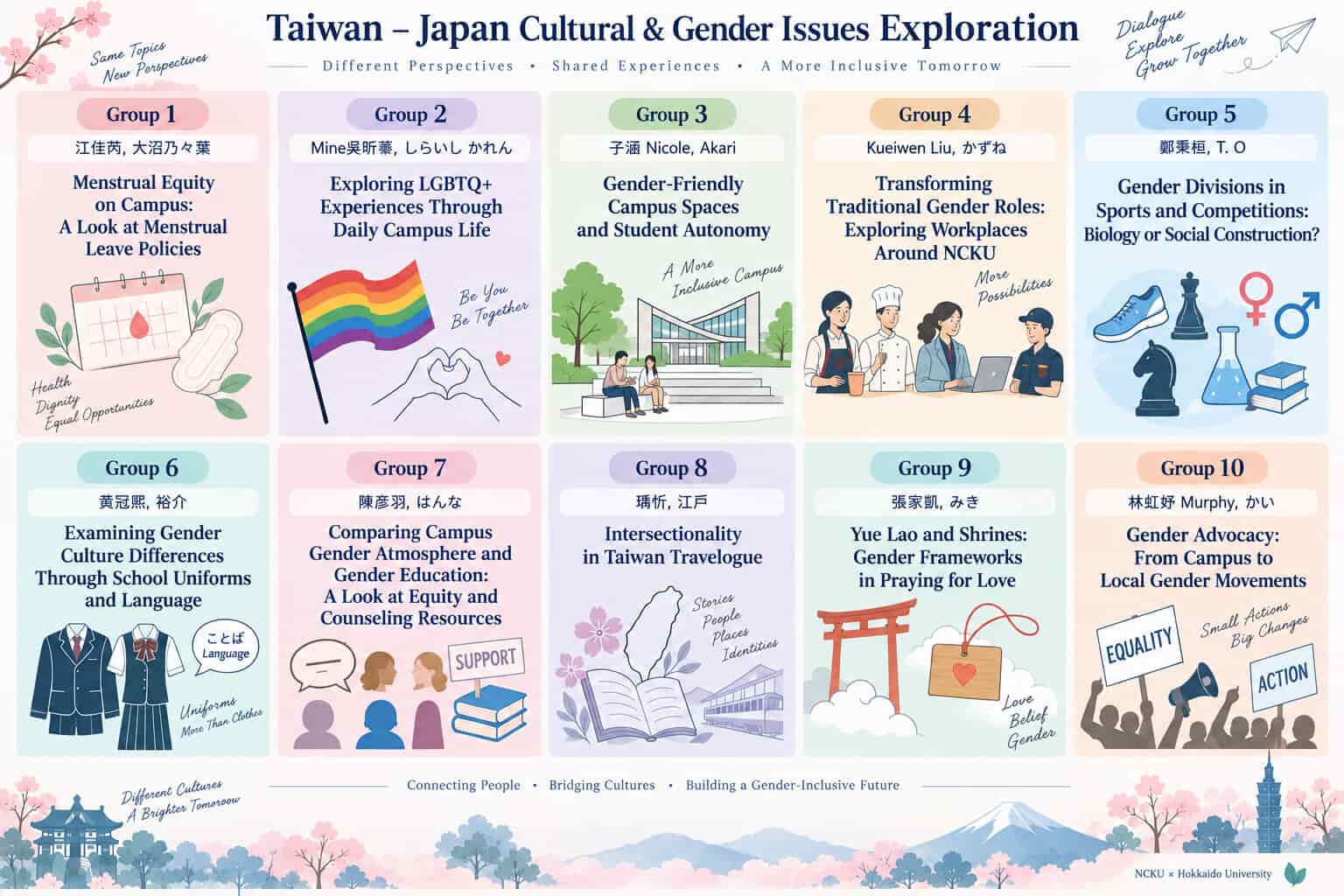
The "Taiwan-Japan Gender Issues Presentation" will take place on the morning of September 17th. Ten student groups will approach various gender topics to share their observations, dialogues, findings, and reflections from this cross-cultural exchange.
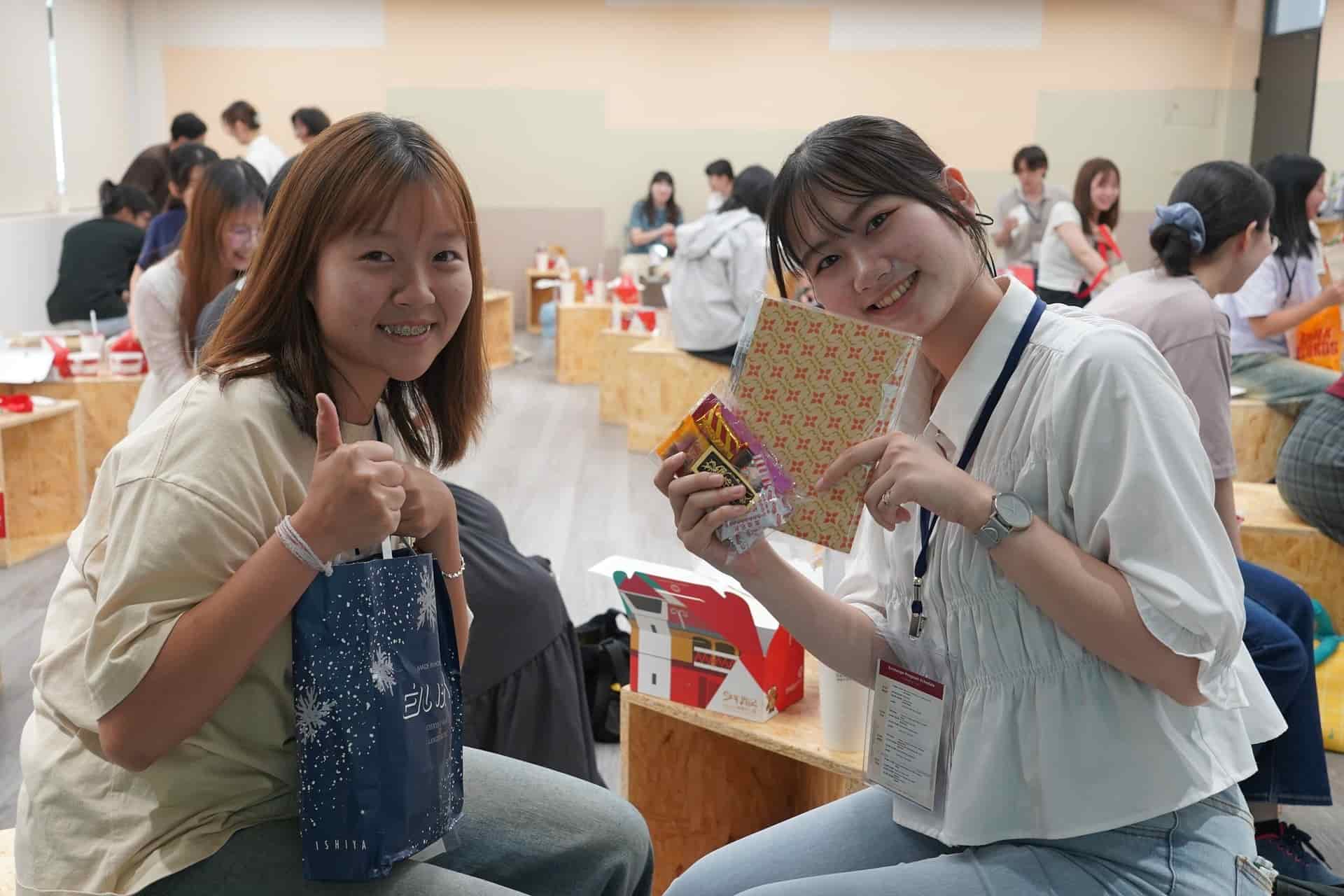
Different cultures bring distinct viewpoints; true exchange begins with establishing connections and a willingness to question one another.
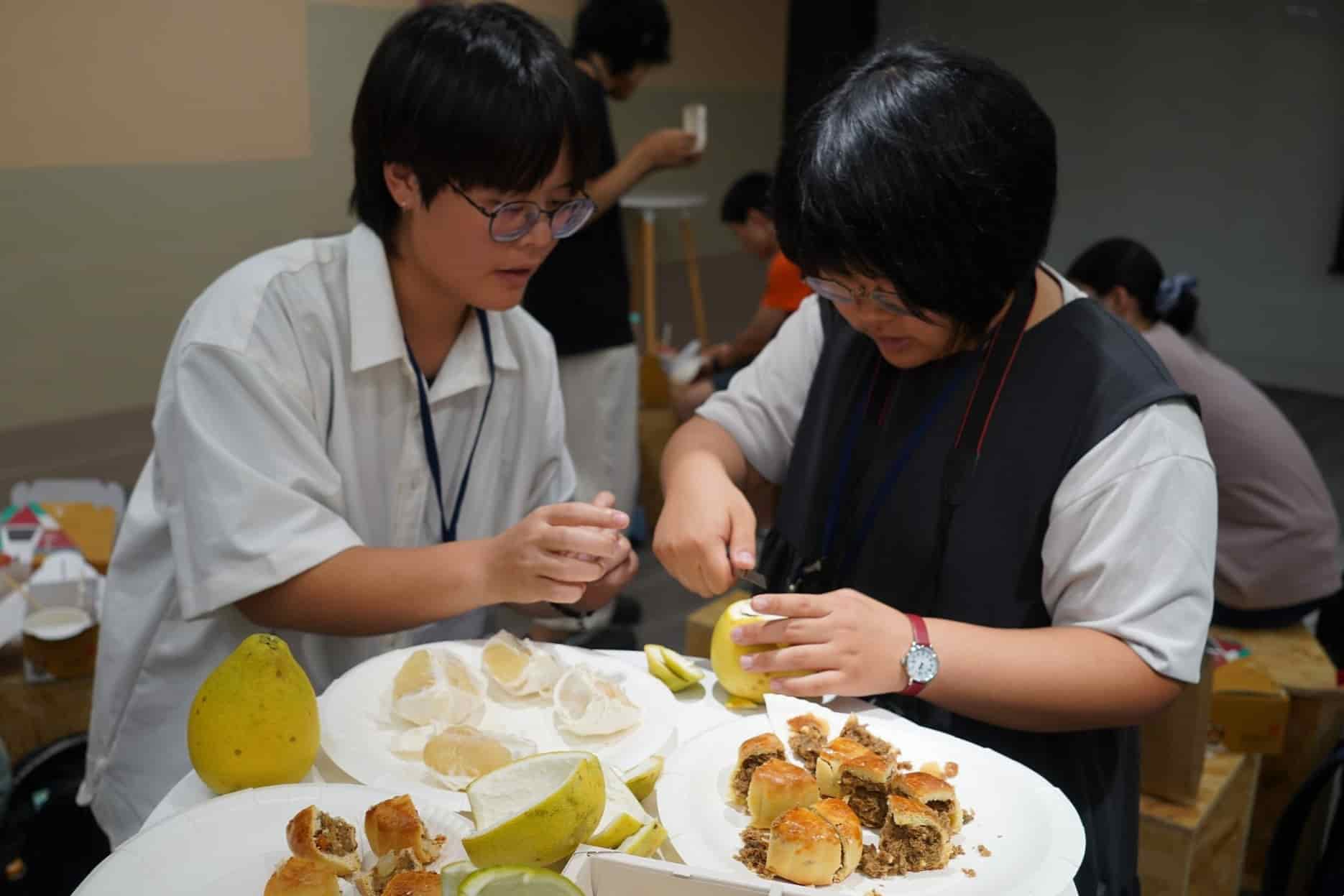
On September 14, Taiwanese and Japanese students officially gathered at NCKU to engage in Taiwanese cultural exploration activities and buddy exchanges.
Professor Shan-Hui Hsu (first from left) from NCKU's Gender and Women’s Studies Center led the NCKU faculty and student team in conducting in-person exchanges.
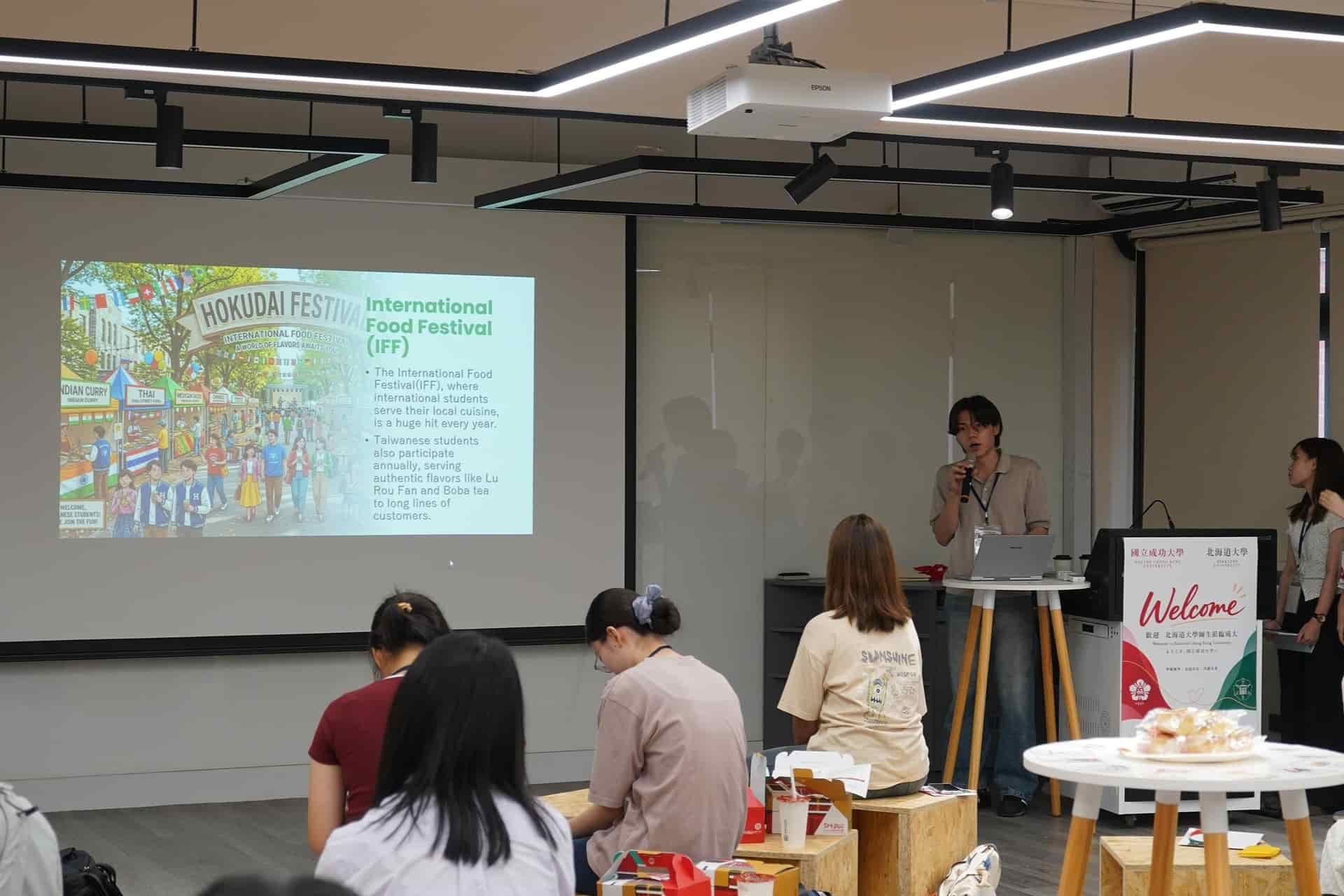
In September, two faculty members and 10 students from Hokkaido University, Japan, visited NCKU.
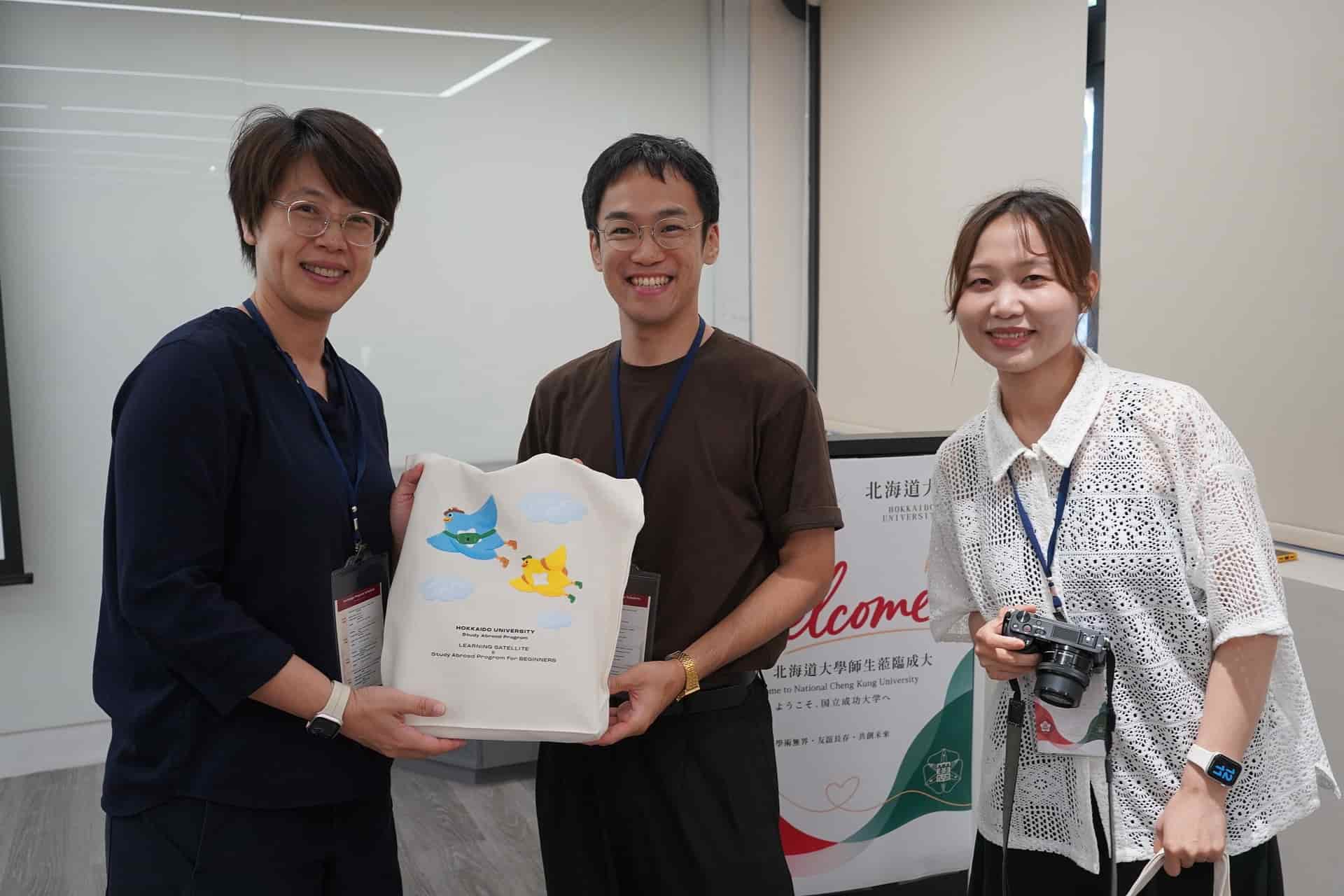
In September 2026, the Gender and Women’s Studies Center at National Cheng Kung University welcomed faculty and students from Hokkaido University, Japan, to NCKU for a 5-day cross-cultural learning and gender issue exploration.
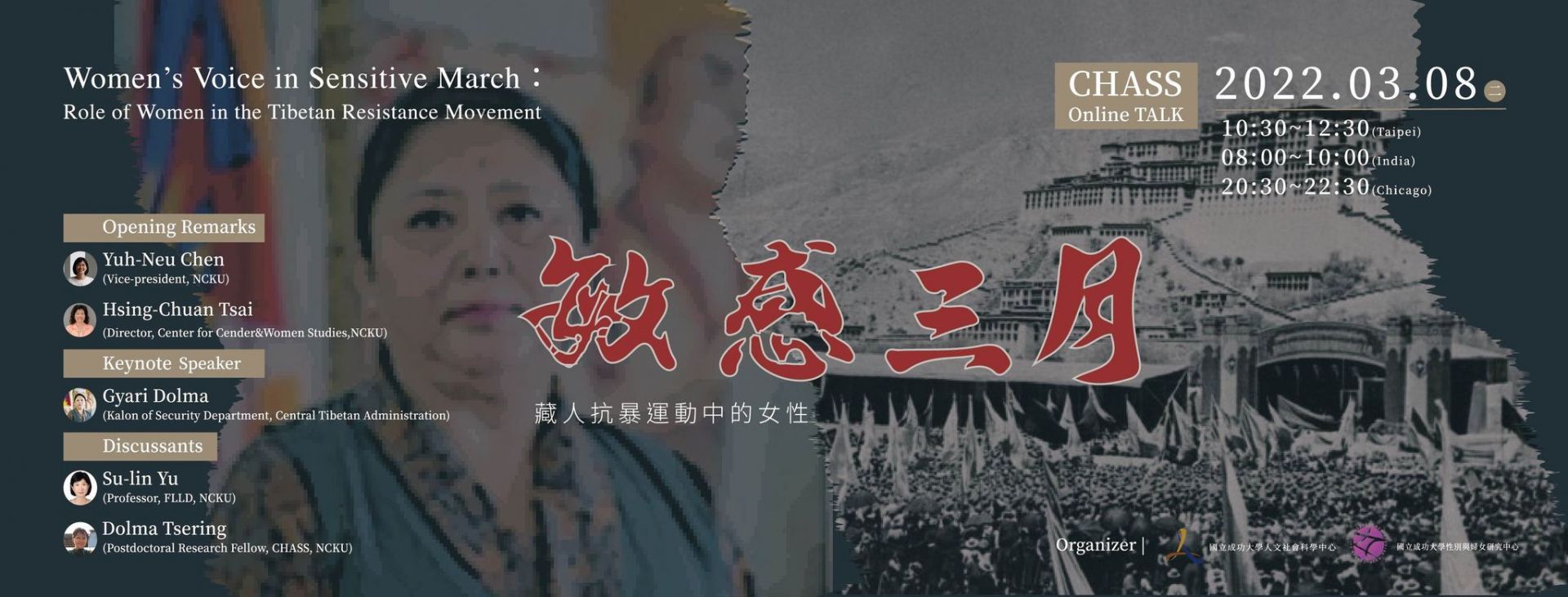
SDG5Research Center for Humanities & Social Sciences and Center for Gender & Women Studies Hold an Online Lecture - Sensitive March
View more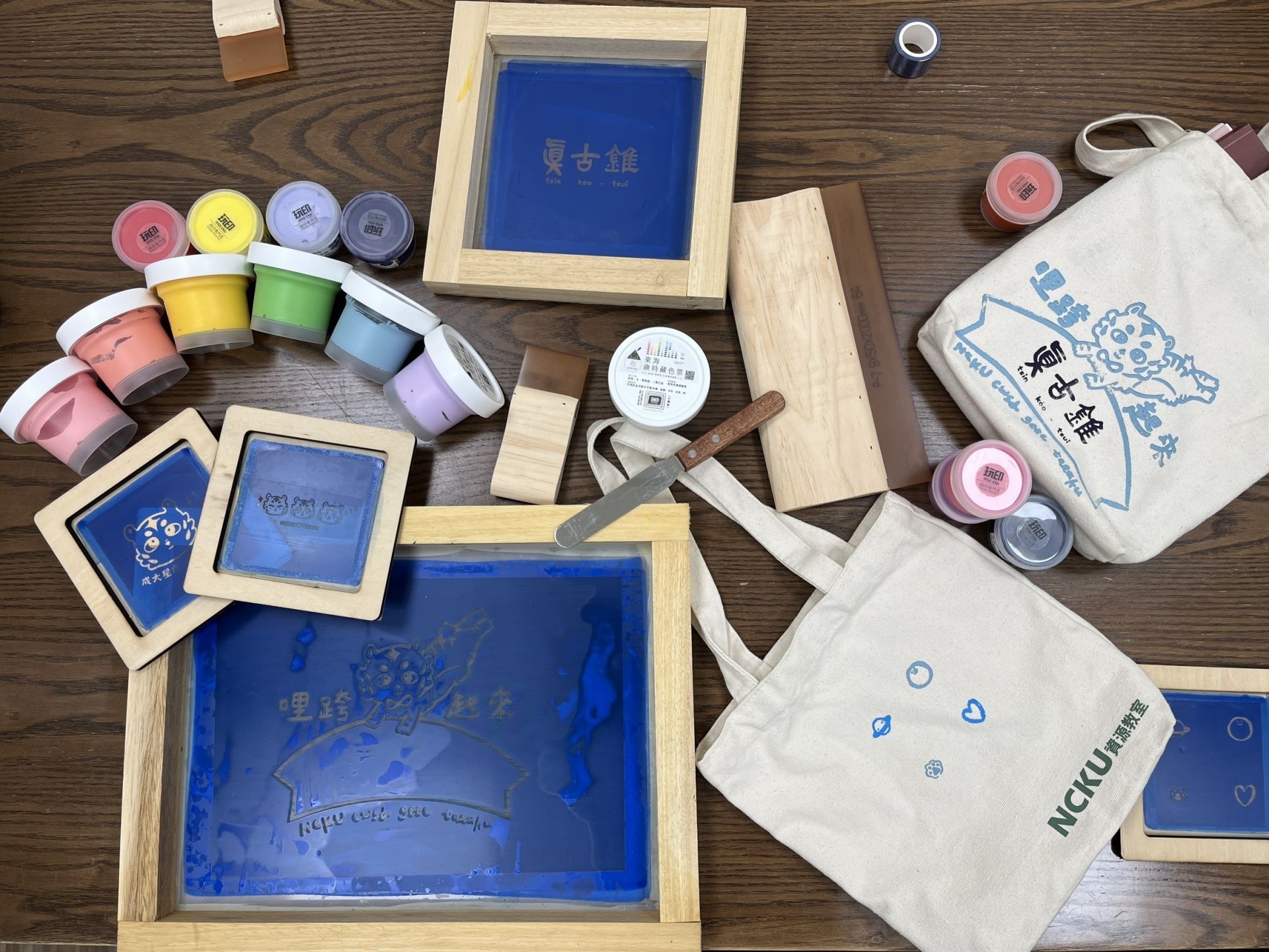
SDG5The "Cool Stars" booth of National Cheng Kung University participated in the Kaohsiung Pride Parade Rainbow Party Market.
View more