

SDG7
NCKU College of Planning and Design Signs MOU with Rechi Group and Mingxiang Technology to Advance Net-Zero Energy Efficiency
Under this MOU, the three parties will uphold the principles of equality, mutual benefit, and integrity to collaborate across four key areas. First is the educational promotion of energy-saving technologies, covering heat pump system installations and the application of energy-saving smart AIoT devices. Second is academic-industry exchange, including cooperation on technical evaluations. Third is mutual support and assistance in curriculum development to align teaching content more closely with industry practices. Fourth is the promotion of internship and employment opportunities, opening pathways for students to enter the energy-saving and green energy industries.
Air conditioning and hot water account for a substantial portion of building energy consumption, making the improvement of equipment efficiency a vital step toward net-zero buildings. As a key focus of this collaboration, Rechi Group will provide high-efficiency heat pump systems to be introduced on campus, utilizing the NCKU College of Planning and Design's Magic School of Green Technologies as a practical testbed, while the Department of Architecture will integrate and evaluate energy-saving performance to establish quantifiable and verifiable energy data. Meanwhile, Mingxiang Technology will support air quality and environmental monitoring technologies to track indoor environmental quality and equipment operation simultaneously, ensuring both energy efficiency and a healthy, comfortable environment.
NCKU has long been dedicated to research in green architecture and building environmental control, with the Magic School of Green Technologies serving as an internationally renowned demonstration of low-carbon architecture. Through this partnership, the university's research capabilities will be closely integrated with corporate technical practices, allowing students to learn the applications of energy-saving equipment and environmental monitoring in a real-world setting, while enabling enterprises to validate product performance and optimize technological development through academic research. Furthermore, the three parties will co-organize popular science activities and outreach courses on energy conservation to help the public and students better understand the connection between heat pumps, air quality, and net-zero buildings, thereby expanding the reach of green living concepts.
Achieving the net-zero transition requires joint efforts from industry, government, and academia. Signing this MOU is not only the starting point for technical research collaboration but also a crucial step in promoting energy-saving knowledge—creating a win-win situation for the university, enterprises, and the public. Moving forward, the three parties will continue to deepen their collaboration to build an architectural environment that is efficient, healthy, and sustainable.

Dean Hsueh-Sheng Chang (first from left) signs the cooperation agreement with Mingxiang Technology Industrial Co., Ltd. (second from right) and Rechi Precision Co., Ltd. (first from right).
Group photo after the signing ceremony featuring Chun-Ming Yang, General Manager of Mingxiang Technology Industrial Co., Ltd. (left), Hsueh-Sheng Chang, Dean of the College of Planning and Design (center), and Cheng-Min Yang, Vice Chairman of Rechi Precision Co., Ltd. (right).

Group photo after the signing ceremony
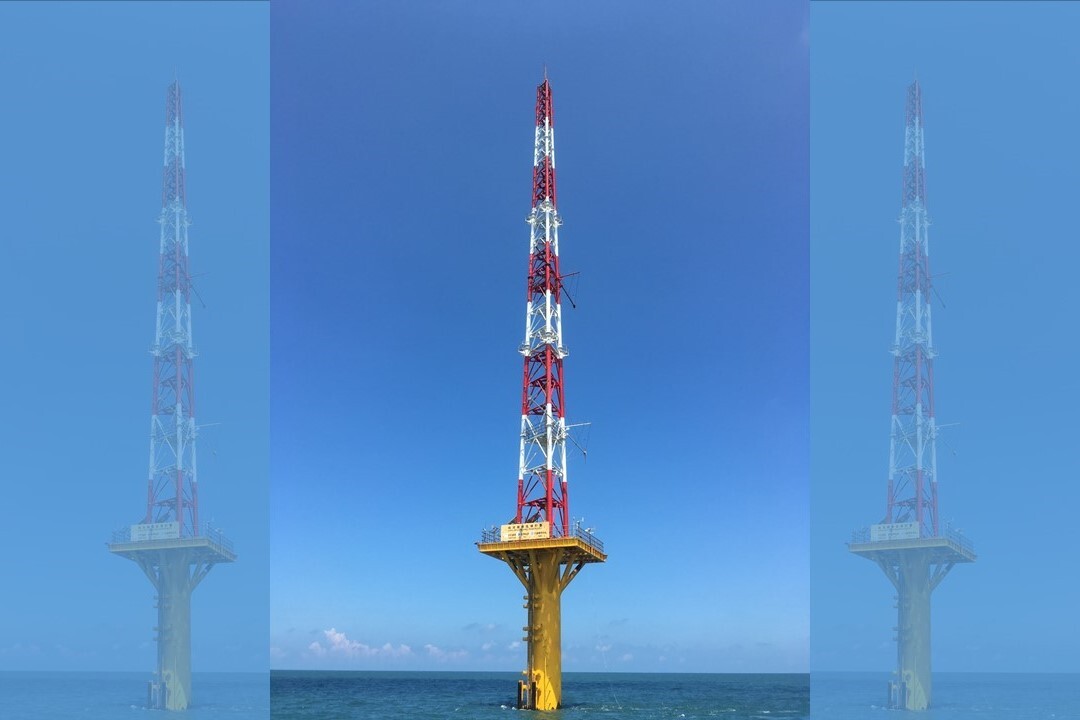
SDG7Aligned with the Energy Transition and the National Satellite Program, NCKU’s Industry-Academic Innovation Marks a New Milestone
View more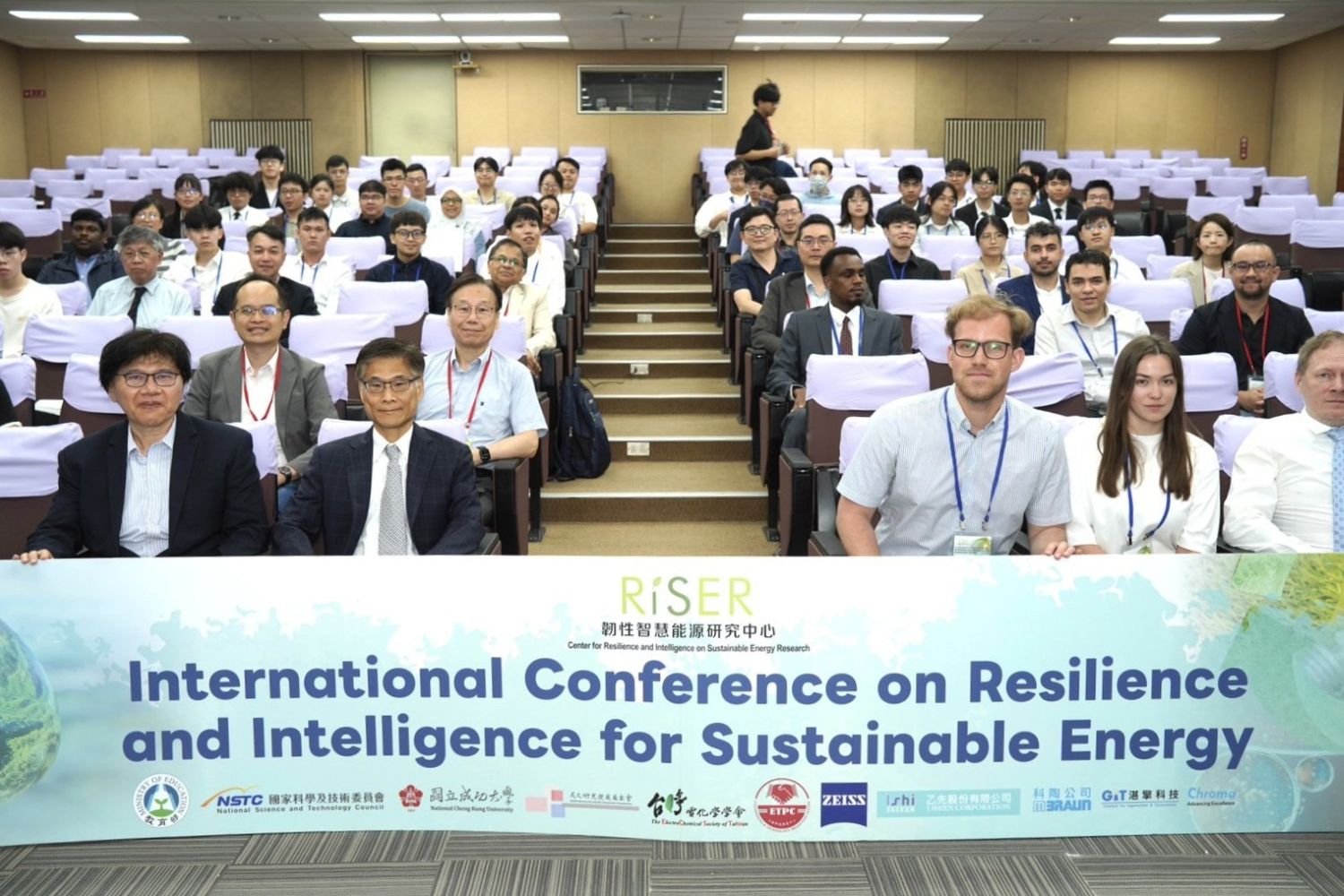
SDG7NCKU & Global Partners Co-Create Green Future at RiSER 2026: Spotlight on Sustainable Energy Resilience and Smart Tech
View more